


 Rate Of Return
 Commemorative
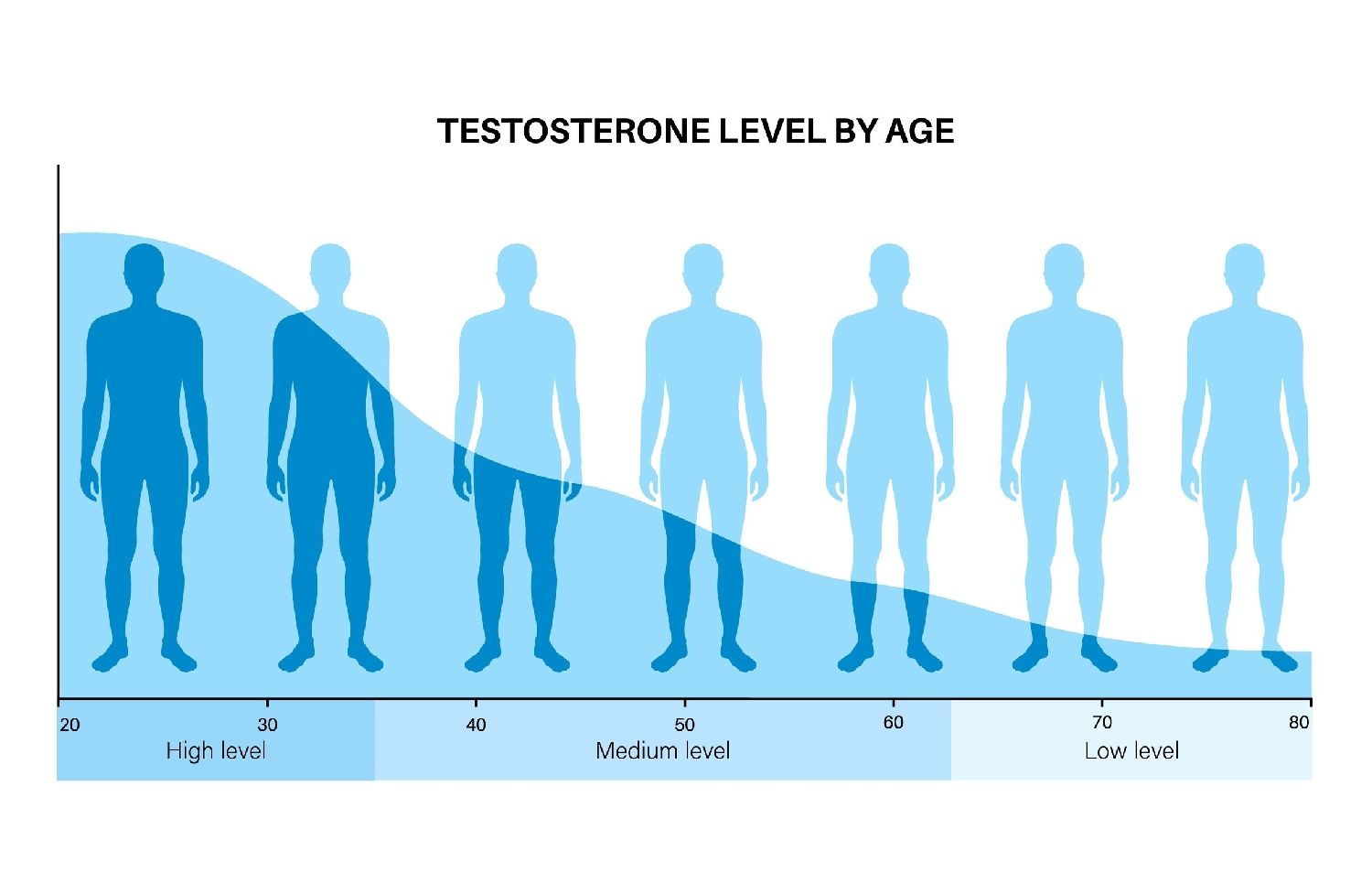
If you are a male over 35 years old and start to feel your physical function and energy declining, then there's no need to doubt it. The culprit is most likely a decline in testosterone levels.
The decline in male testosterone levels is a subtle physiological process. Typically, after peaking between the ages of 20 and 30, total testosterone levels begin to naturally decrease at a rate of 1% to 2% per year from around age 30.
More crucially, as age increases, the level of sex hormone-binding globulin (SHBG) synthesized by the liver in the body rises accordingly. This protein binds to testosterone in the blood, rendering it biologically inactive, causing the free testosterone that can truly exert physiological effects in the body to be lost at a faster rate of 2% to 3% per year.
Because this process is very slow, the physical and mental changes it triggers are often mistaken for simple aging or fatigue. Typical early symptoms include deep fatigue that cannot be relieved by regular rest, reduced muscle mass and strength, and increased body fat percentage, especially abnormal accumulation of abdominal visceral fat.
At the neurological level, low testosterone can lead to a decrease in a man's internal drive and competitive desire, irritability or low mood, and the "brain fog" phenomenon of difficulty concentrating. Additionally, an objective reduction in the frequency of spontaneous morning erections, overall low libido, and disrupted sleep structure are also clear clinical manifestations of endocrine imbalance.
Faced with the natural decline of testosterone, the primary scientific intervention is to reduce body fat percentage. Adipose tissue is an active endocrine organ that contains a large amount of aromatase, which directly converts free testosterone in the body into estrogen. The key is to reduce body fat percentage to the range of 15% to 20% through a mild caloric deficit, but extreme dieting that would cut off hormone secretion must be avoided.
At the exercise level, heavy resistance training can stimulate the pituitary gland to secrete luteinizing hormone through mechanical tension, thereby instructing the testes to produce more testosterone. Training focus should be placed on compound movements like squats and deadlifts that engage large muscle groups, while avoiding excessive long-distance endurance training that can lead to increased cortisol.
Another absolute baseline for maintaining endocrine balance is sleep. The vast majority of male testosterone is secreted in a pulsatile manner during deep sleep and rapid eye movement (REM) cycles at night. Consistently getting less than 5 hours of sleep for a week can cause testosterone to drop sharply by 10% to 15%. Therefore, 7 to 8 hours of sleep per night is non-negotiable.
In terms of diet, since the basic raw material for testosterone synthesis is cholesterol, it is necessary to ensure that 25% to 30% of daily calories come from high-quality fats such as red meat, nuts, and olive oil.
If there is a nutritional gap, daily supplementation with 15 to 30 mg of zinc, 200 to 400 mg of highly absorbable magnesium (such as magnesium glycinate, which helps reduce SHBG binding capacity), and sufficient vitamin D3 can effectively maintain free testosterone levels.
Finally, chronic stress must be strictly controlled, as this is the most easily overlooked factor. Testosterone and stress hormones (cortisol) share a common basic raw material in the body called "pregnenolone." When you are under long-term work pressure or chronic anxiety, your brain determines that your body is facing a survival crisis.
The copyright of this article belongs to the original author/organization.
The views expressed herein are solely those of the author and do not reflect the stance of the platform. The content is intended for investment reference purposes only and shall not be considered as investment advice. Please contact us if you have any questions or suggestions regarding the content services provided by the platform.
