


 Top 10 Influencers in 2025
 Likes Received
Come, let me tell you a ghost story about $Apple(AAPL.US).
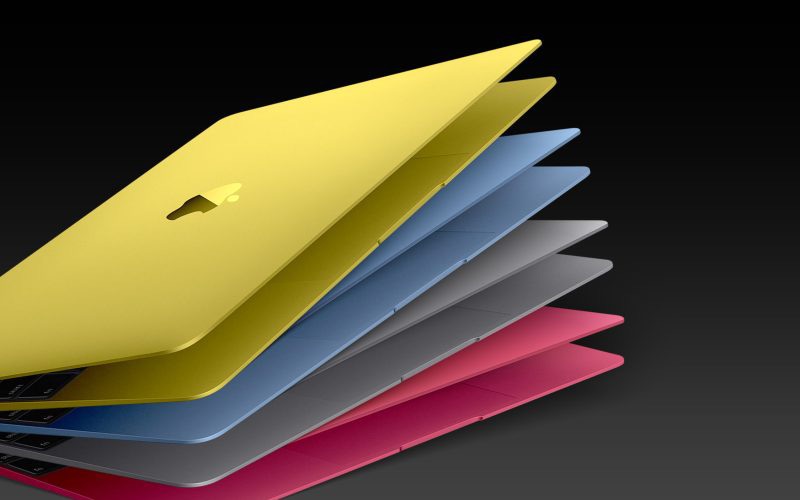
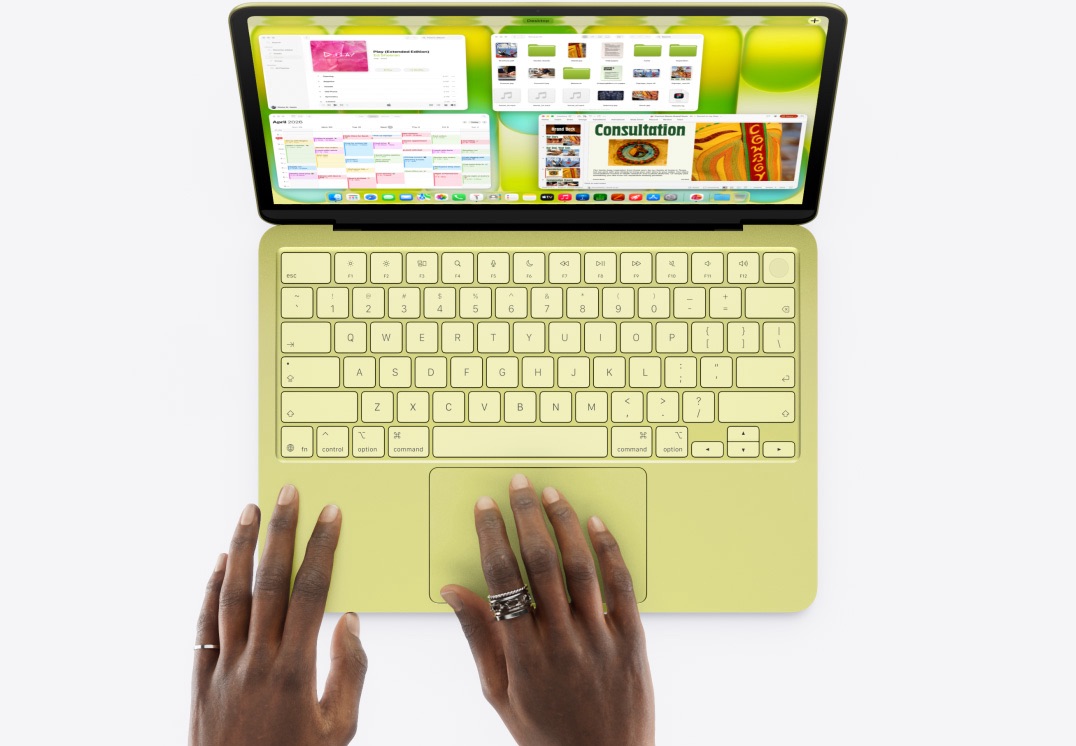
Today, Apple released the brand new MacBook Neo. This computer is equipped with the A18 Pro processor, which is the same processor used in the previous generation iPhone Pro.
As soon as this news came out, friends in the Apple community were a bit taken aback. Most people are thinking: To clear chip inventory, why did Apple come up with such a useless gimmick again?
I won't talk about its usefulness first. I think we can open up a thought experiment: besides clearing inventory, are there any other possibilities?
1. The Challenge of System Porting
Porting macOS to the A-series mobile chips is definitely a challenging and labor-intensive system development process. Especially since this chip might only have 8GB of RAM.
2. Software-Hardware Synergy
In such an environment, how do we ensure the device runs smoothly? How do we switch between multiple windows? Even if I open a note, a few web pages, and then open WeChat, how do we prevent the system from killing it in the background? All of this requires a series of collaborative efforts in software-hardware system design.
3. Guessing the Real Purpose
Engineers put in so much effort to build this system based on the A-chip. Is the sole purpose really just to clear inventory? Or, thinking differently: could this device just be a byproduct of some other plan?
The core purpose of the project is most likely to adapt macOS to mobile chips. Then, this functionality could be placed into one, or some, very important Apple products, integrating them into a new ecosystem.
Is it possible that by the end of 2026, we'll see a batch of iPhones branded with the Pro professional flag by Apple, or even the emergence of some completely new iPhone series?
This series could not only run iOS but also instantly turn into an macOS system when you connect the phone to a display for power and signal. It's both a phone and a Mac. (A foldable screen would still be an iPad.)
Take this phone to work, and the office only needs a keyboard; the phone can completely play the role of a trackpad.
After work, just unplug the display cable and take the phone with you, with the phone's battery remaining at 100% full charge.
This sounds like a very appealing story. Luo Yonghao might also sigh with great emotion: back then, he couldn't acquire his "subsidiary".
But I don't necessarily think such a thought experiment is a good business idea; at least, I haven't figured it out yet.
You can think of it this way: someone who can afford a foldable iPhone is most likely an Apple ecosystem user. How much would such a person have invested in iPhone, iPad, and Mac? Assuming that amount is around 30,000 yuan, and if Apple sells this phone for only 17,000 yuan, wouldn't Apple's revenue be less?
So, whether this succeeds or not, and whether it benefits Apple, I don't know. But at least it's a direction that consumer electronics enthusiasts find interesting.
The copyright of this article belongs to the original author/organization.
The views expressed herein are solely those of the author and do not reflect the stance of the platform. The content is intended for investment reference purposes only and shall not be considered as investment advice. Please contact us if you have any questions or suggestions regarding the content services provided by the platform.
