



The Core of Stable Trade Execution: Breaking the Invisible Curse of Probability Dispersion
Probability dispersion is an invisible fatal issue for manual traders when executing a system. 99% of traders are deeply trapped in it without ever realizing it, ultimately rendering their trading system a mere decoration, with execution results deviating significantly from the system's inherent profitability. Its essence lies in traders using unstable factors outside the system to randomly select trading opportunities that should be executed. This patternless selection directly eradicates the stability of trading.
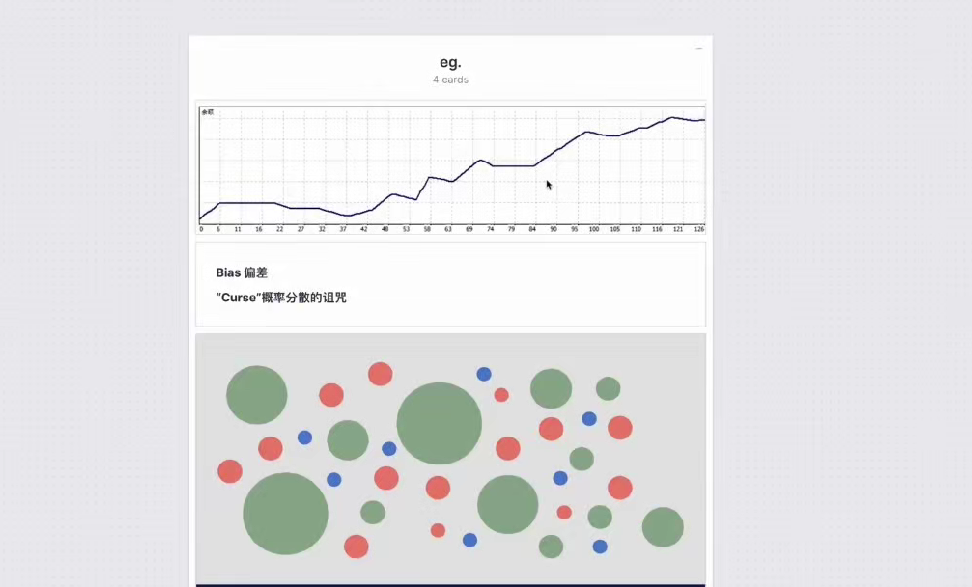
The harm of probability dispersion goes far beyond profit deviation; it can turn trading into a pure game of luck. When traders randomly pick orders due to time constraints, gut feelings, or a chaotic watchlist, it's like picking balls blindfolded from a pool of profitable, stop-loss, and breakeven trades. A small number of short-term selections are almost impossible to match the system's inherent probability distribution, often falling into the curse of "all the ones picked lose, all the ones missed win." At this point, there is no skill gap between novices and veterans; the technical advantage of trading is completely erased. More fatally, poor short-term results can directly shatter a trader's psychology, leaving them no chance to endure until the number of trades is sufficient for results to converge with the system, directly halting system execution.
To break probability dispersion, there is only one core principle: make human execution infinitely align with the system itself. This requires two hard steps with no shortcuts.
First, establish a stable watchlist, which is the foundation of execution. The watchlist must match one's own time and energy for market monitoring, while strictly limiting strongly correlated instruments to no more than two. Correlation can be judged based on instrument drivers and internal price movements, avoiding strongly correlated instruments that rise and fall together, which dilutes trading efficiency. A watchlist is not about giving up opportunities but allowing traders to focus on familiar instruments, significantly reducing the rate of missed opportunities. The number of instruments should also be deduced from capital exposure and psychological tolerance. If simultaneous trading opportunities exceed the threshold of capital and psychological capacity, it indicates the watchlist is oversized.
Second, all opportunities within the system must be taken. This is key to avoiding random selection. If a trader has a fixed basis for choosing among simultaneous system opportunities, that basis should already be incorporated into the system as a new trading condition. If the selection relies solely on unstable factors like feelings or first impressions, it essentially adds an "unknown variable" to a stable trading system, making such execution offer no advantage. Even if multiple system opportunities appear simultaneously, all should be entered. This is the most objective choice that best aligns with the system's probability.
It must be clear that while probability dispersion may cause results to converge with the system over a large enough number of trades, the core of trading is surviving the short term. Only by avoiding short-term probability dispersion can execution experience match system backtest results, preserving trading psychology and allowing one to reach the stage of large data volume.
Ultimately, the power of a trading system never comes from theory but from execution. Breaking probability dispersion, ensuring over 90% of system opportunities are captured precisely, is the core step from an ordinary manual trader to a professional, mature trader. It is also the only path to making trading skill-driven rather than a gamble on luck.
$NVIDIA(NVDA.US) $Invesco QQQ Trust(QQQ.US)
The copyright of this article belongs to the original author/organization.
The views expressed herein are solely those of the author and do not reflect the stance of the platform. The content is intended for investment reference purposes only and shall not be considered as investment advice. Please contact us if you have any questions or suggestions regarding the content services provided by the platform.
