


 KORU
KORU Nebius Return Rate
Silver is one of the varieties with relatively high certainty for the future.
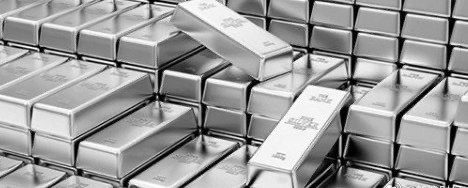
In recent months, the prices of gold and silver have surged significantly, drawing markedly increased market attention. Last Thursday and Friday, the precious metals market experienced a sharp correction following a strong short squeeze, with silver prices plummeting violently. Investor accounts were widely impacted, and the market shock was evident. This article analyzes the silver market in the context of this short squeeze.
This market trend began in late May 2025, with the price of silver futures on the New York Mercantile Exchange gradually recovering alongside improving international trade conditions, showing a relatively moderate increase. In September 2025, the Federal Reserve initiated an interest rate cut cycle, directly fueling the rally in precious metals. Silver possesses both precious metal and industrial attributes, with extensive industrial applications. Coupled with rising investment enthusiasm, its price continued to climb, with the upward slope steepening, approaching a vertical trajectory before the reversal. Data shows that silver's annual gain for 2025 reached 163.7%; combined with the trend in the first 29 days of 2026, the total gain soared to 321.2%. The substantial rise exerted continuous pressure on short positions, making the short squeeze particularly pronounced.
Short squeezes, long squeezes, and squeezes are similar in nature, differing only in direction. A squeeze occurs when market participants leverage capital or warehouse receipt advantages to drive prices in a one-sided movement for profit, forcing the opposing side to incur losses and exit the market. It is categorized into long squeezes and short squeezes. Taking a short squeeze as an example, silver short positions continuously incur losses during the price rise. Unable to bear the losses or facing insufficient margin, they are forced to close their positions. This closing operation is executed through buying, further pushing up prices and creating a situation where long positions persistently dominate, leading to rapid price increases.
A small-scale short squeeze occurred in silver in October 2025, with limited impact. The short squeeze at the end of January 2026 attracted global attention. From November to December 2025, a large number of investors joined the silver long side, with some employing leverage and others participating through ETFs, physical silver bars, and other means.
The strong long-side force, however, triggered a sharp drop, leading to market speculation about capital speculation. In fact, during a large-scale short squeeze, exchanges implement regulatory measures to maintain market order. Since December 2025, the CME Group has repeatedly raised the margin requirements for silver futures: a 10% increase on December 12, signaling an overheated market; a 13.6% increase on December 29, followed by another 30% on December 31, with regulatory intensity continuously escalating. On January 12, 2026, the exchange adjusted the margin calculation method from a fixed amount to a percentage of the contract's nominal value (initial 9%), significantly raising margin levels. On January 28, the margin ratio was raised from 9% to 11%, and the next day, silver prices plummeted, with a cumulative two-day drop of 39.24%.
The market did not cool down after the crash. Data from the world's largest silver ETF, iShares Silver Trust, shows that on February 2, 2026 (the first trading day after the crash), holdings increased by 1,023.23 tons, the third-largest single-day increase in history, indicating clear signs of capital entering against the trend.
This market trend is fundamentally different from the 1980 Hunt brothers silver short squeeze. The Hunt brothers, relying on oil wealth, pooled funds to hoard silver, achieving market control and driving prices up sevenfold in a year. This action severely harmed market and industry interests. In January 1980, the exchange introduced targeted rules, coupled with the Federal Reserve raising interest rates, ultimately ending the short squeeze, a classic case of capital manipulation.
The core of the current silver rally stems from fundamental support: World Silver Institute data shows that industrial demand accounts for 60% of total silver demand, widely used in electronics, new energy, photovoltaics, and other fields, with no substitute resources currently available. U.S. mineral data indicates global silver reserves of 610,000 tons. Based on the 2023 production of 26,000 tons, the mineable lifespan is only 23.5 years, and ore grades are declining, exacerbating supply constraints. From 2021 to 2025, the silver market consistently faced a supply-demand gap, with industrial demand growing year by year. Inventory-wise, silver stocks at the CME Group, SHFE, and the London Bullion Market Association have all declined significantly, confirming a tight supply situation.
In summary, this silver market trend is driven by the supply-demand gap, expectations of industrial demand growth, and declining inventories, differing from pure capital speculation. The aforementioned fundamental factors are difficult to improve in the short term. The silver supply-demand gap will persist, making prices susceptible to long-side drives, potentially leading to more frequent volatility. Simultaneously, silver retains its precious metal attributes and will benefit from the Federal Reserve's subsequent interest rate cut cycle. Long-term supporting factors are clear, giving it sustained investment value.
The copyright of this article belongs to the original author/organization.
The views expressed herein are solely those of the author and do not reflect the stance of the platform. The content is intended for investment reference purposes only and shall not be considered as investment advice. Please contact us if you have any questions or suggestions regarding the content services provided by the platform.
