


 KORU Return Rate
 KORU
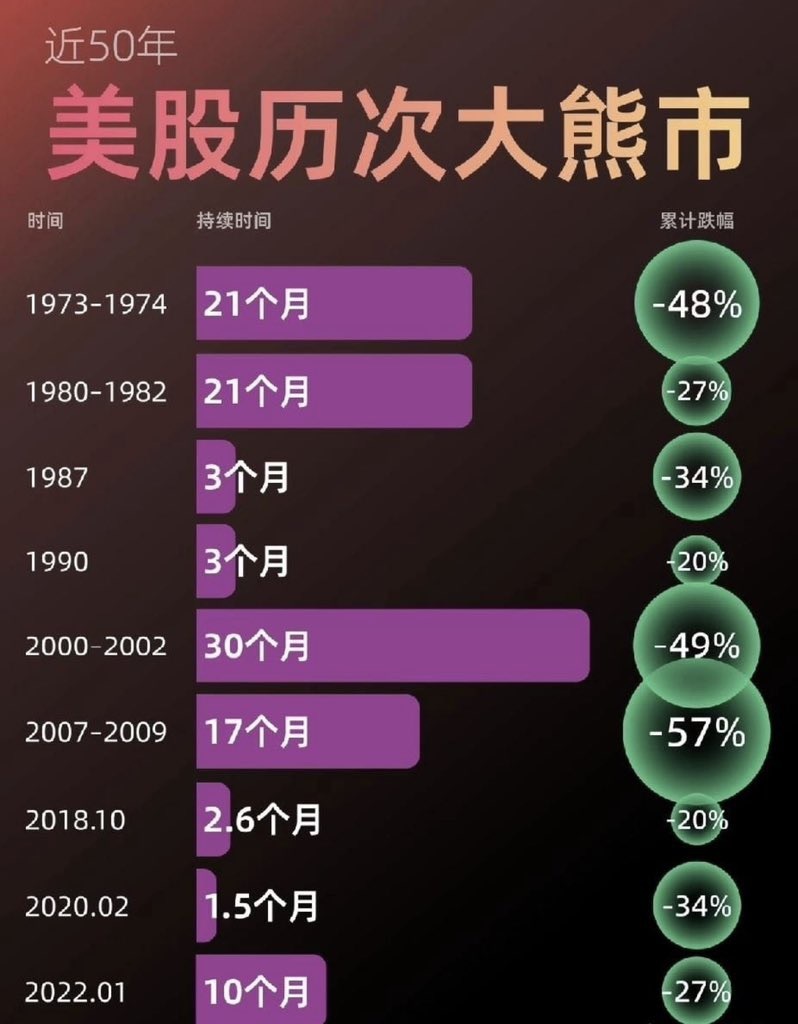
KORUIn the hundred-year history of the U.S. stock market, there have been four major crashes, each one unforgettable.

The earliest was in 1929, that "Black Monday." The Dow Jones Industrial Average plummeted from the peak to the bottom, losing nearly 90%!
Back then, everyone went crazy, borrowing money to speculate in stocks. Then the Great Depression hit, banks collapsed, everyone lost their jobs, and it took a full 25 years for the Dow to climb back to its previous high.
The second time was the "Black Monday" of 1978. It dropped 22.6% in a single day.
The key triggers were program trading, excessively high stock prices, and the massive impact of the trade deficit on global stock markets, all leading to huge single-day losses!
The third time, many people remember the bursting of the dot-com bubble in 2000. The Nasdaq index fell 78%, a truly devastating sight. In those years, any website dared to go public. When the bubble burst, countless companies vanished, and retail investors lost everything. It took a full 15 years for the Nasdaq to climb back to its peak from that era.
The fourth time was in 2008, when Lehman Brothers collapsed, causing a financial earthquake. The Dow was cut in half, falling 54%. The root cause was the subprime mortgage crisis. Major institutions collapsed one after another, leading to an economic recession.
History repeatedly tells us: the more frenzied the market's rise, the more brutal its collapse. Before every crash, optimism that "this time is different" is rampant.
But in the end, economic cycles and human greed have never changed.
The copyright of this article belongs to the original author/organization.
The views expressed herein are solely those of the author and do not reflect the stance of the platform. The content is intended for investment reference purposes only and shall not be considered as investment advice. Please contact us if you have any questions or suggestions regarding the content services provided by the platform.
