


Wild-card Trump: erratic swings—are US equities still a trade in 2026?
Trump kicked off 2026 with high drama: pushing a 10% cap on credit-card APRs at home and having the GSEs buy hundreds of billions of MBS, while abroad launching a decapitation move against Venezuela and pressing to strong-arm Greenland. What policy logic sits behind these 'erratic' moves? For Trump, who has largely gotten his way since taking office in 2025, what do these actions mean for 2026 investing, and how should we position?
Dolphin Research lays out the framework below. Here is our take.
I. Short-term ‘Reality’ — Administrative Price Controls
The 2026 midterms are the core force shaping policy choices. Scarred by repeated impeachments after losing the House, Trump is fixated on winning the midterms.
The ballot-box issue is affordability: headline inflation is cooling, but households still feel priced out. That short-term aim collides with his longer-term industrial agenda—onshoring manufacturing and winning the AI race—which needs pro-industry policies to rebuild in the AI era.
Long-term goals imply persistent inflation, while short-term politics demand suppressing it. Faced with this trade-off, Trump wants both.
A: Deliver near-term affordability? Housing, oil, credit cards: administrative price control.
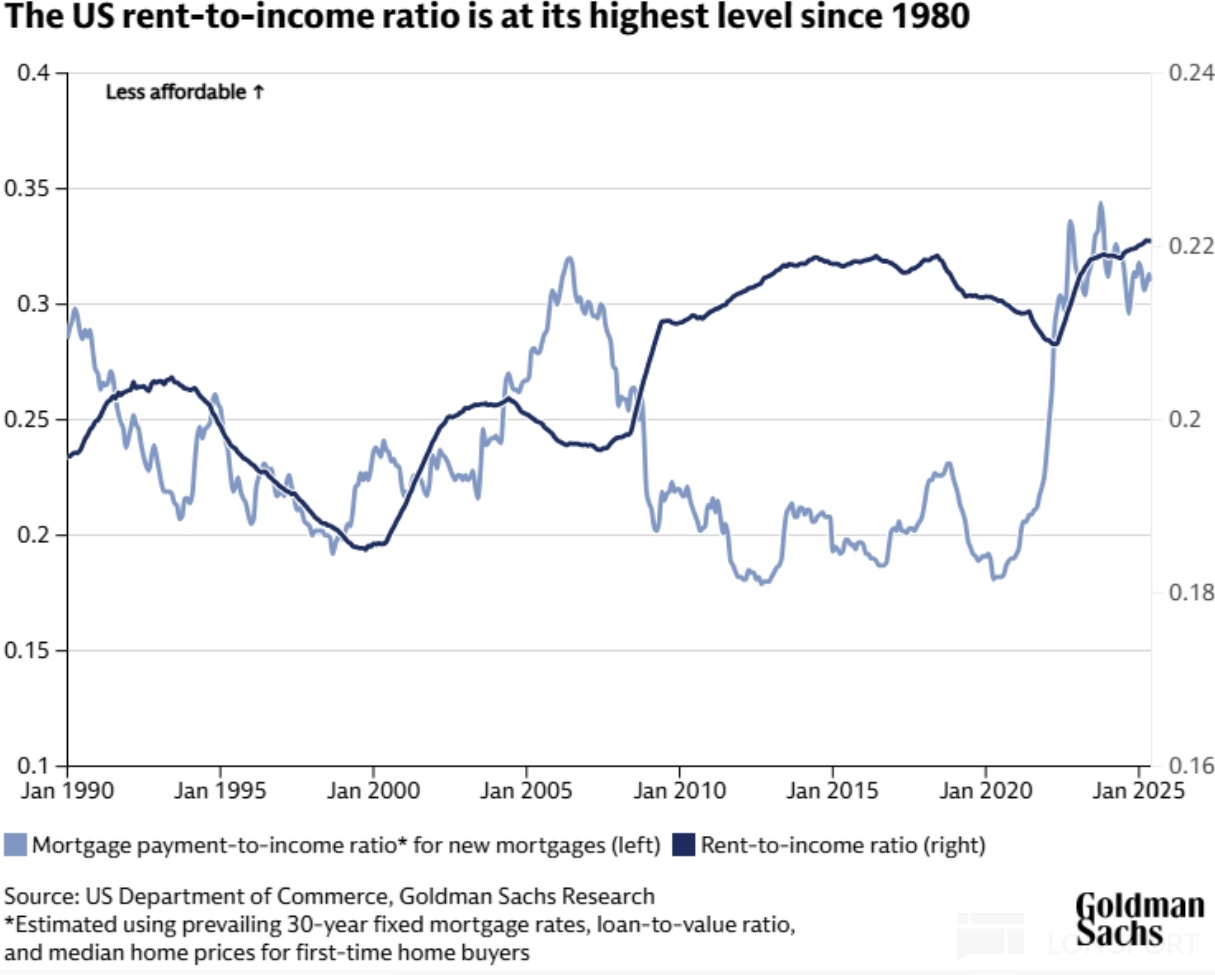
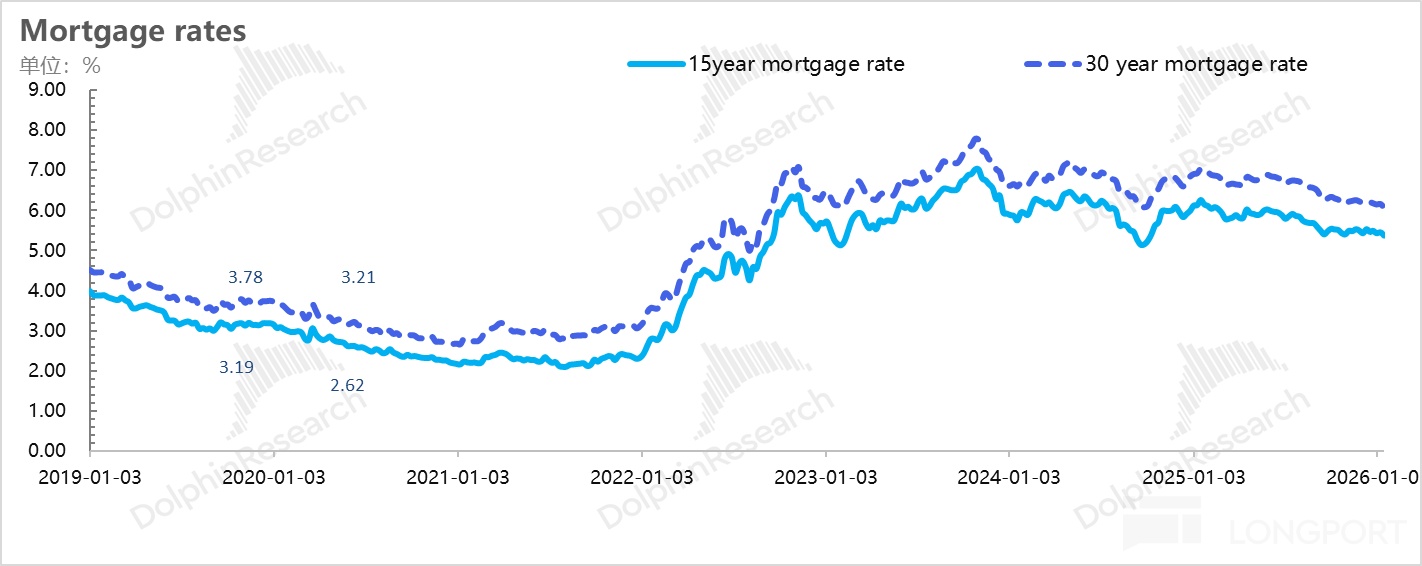
1) Rents too high? A $200bn MBS bid to cap mortgage rates.
Housing costs are squeezing disposable income, and rents track mortgage rates. With rates high, affordability has broken down.
The Fed stopped QT in Treasuries but has let MBS roll off. Near-market MBS purchases by Fannie and Freddie effectively manufacture a buyer, compress MBS yields, and pull down commercial mortgage rates.
2) Credit cards: cap APRs at 10%?
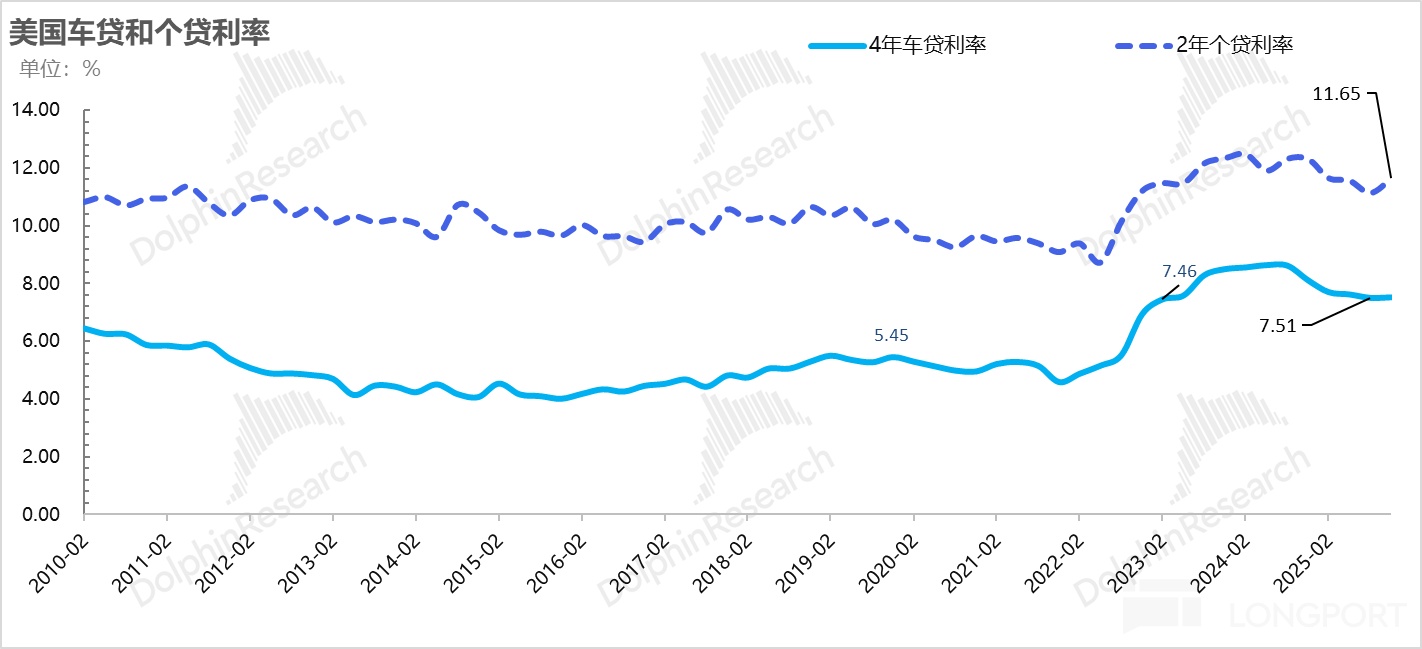
Beyond rent, credit-card rates are in the crosshairs. Personal loan rates at banks average near 12%, while card APRs hover around 20%.
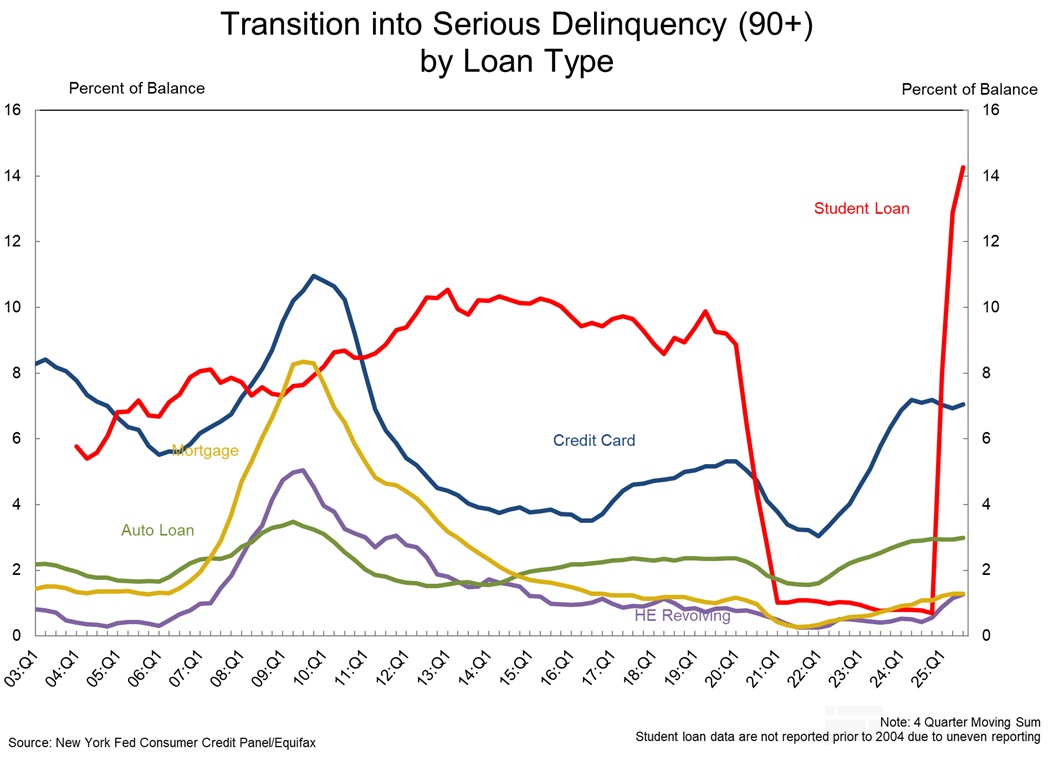
The share of delinquencies rolling past 90 days is elevated, reflecting weaker ability to carry high rates among lower-income borrowers. Regardless of whether a cap truly anchors consumer-loan pricing, it is, at its core, administrative price control.
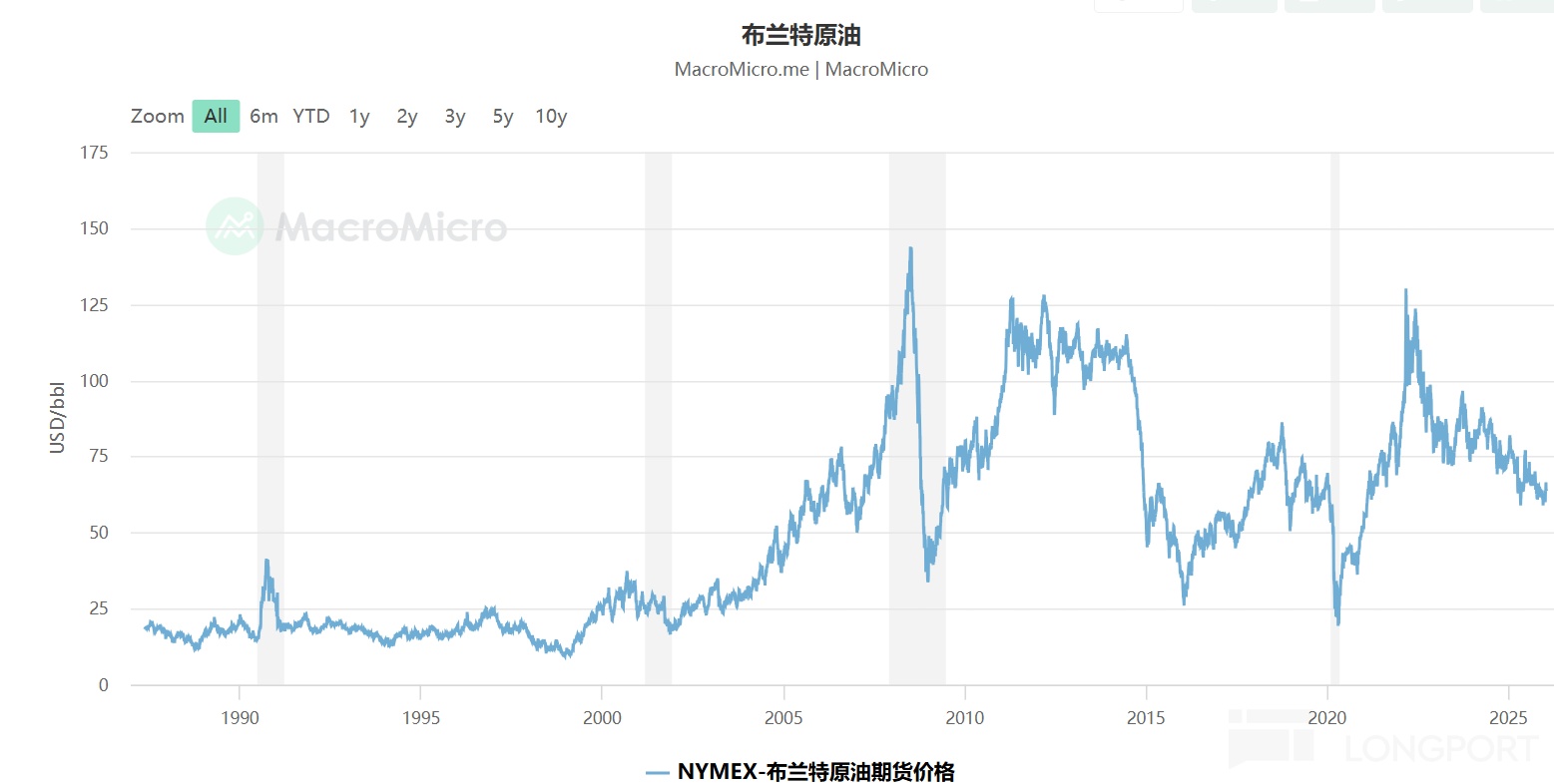
3) Cap oil prices: the Venezuela decapitation move.
Framing it as a counternarcotics operation helps bypass Congress and minimize legal friction. The real aim is oil reserves, and Trump barely hides it.
Grabbing foreign oil resources now ties directly to lowering domestic fuel costs. While regime transition and legacy creditor disputes limit near-term supply effects, signaling accelerated extraction and releases can guide price expectations lower. If the market buys it and Brent trades down to $40–50/bbl into the late-2026 election window, that would be a narrative win for Trump's 'lower cost of living' push.
II.Long-Term Strategy:The Decisive Battle for AI and the Resurgence of Manufacturing
Trump's longer-term strategy features the OBBB mega-bill, corporate tax cuts, and tariff exemptions or breaks for key capacity moved onshore, alongside broader external tariffs. By design, these raise domestic living costs.
With the midterms looming, the short term trumps the long term. For example, the latest power-intervention plan presses cloud majors like Microsoft to ensure AI buildouts do not lift residential power bills, even cutting water usage, and requires data centers to be self-funded.
A deeper structural issue is fiscal over monetary primacy. Voters cannot be alienated, yet strategic industries and manufacturing reshoring require capital.
Two fronts of spending meet pandemic-era fiscal inertia: interest payments reached $100bn in 2025, or 14% of federal outlays, making it the No. 2 line item after Social Security and surpassing defense. That is a heavy drag.
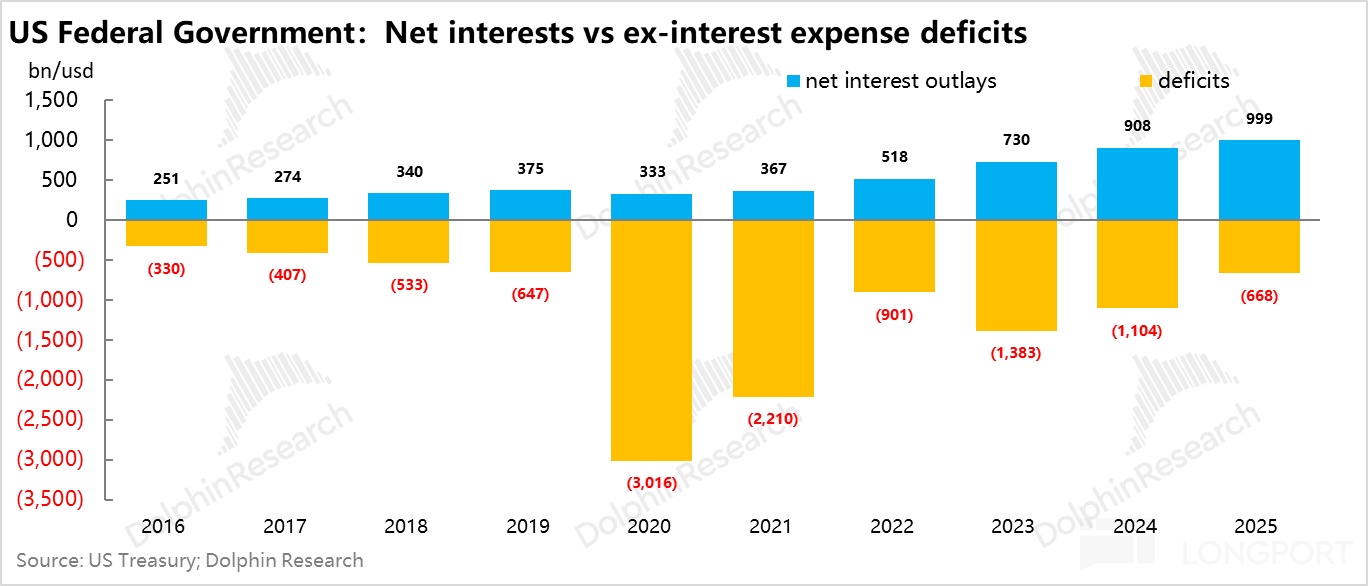
Narrow deficit (ex-interest) gained an extra $180bn from the global trade war in 2025, yet the full-year deficit still neared $700bn. A sticky primary deficit plus high interest costs imply ~$2tn annual fiscal gaps ahead unless AI-driven growth delivers. Otherwise, the federal deficit ratio will keep rising passively.
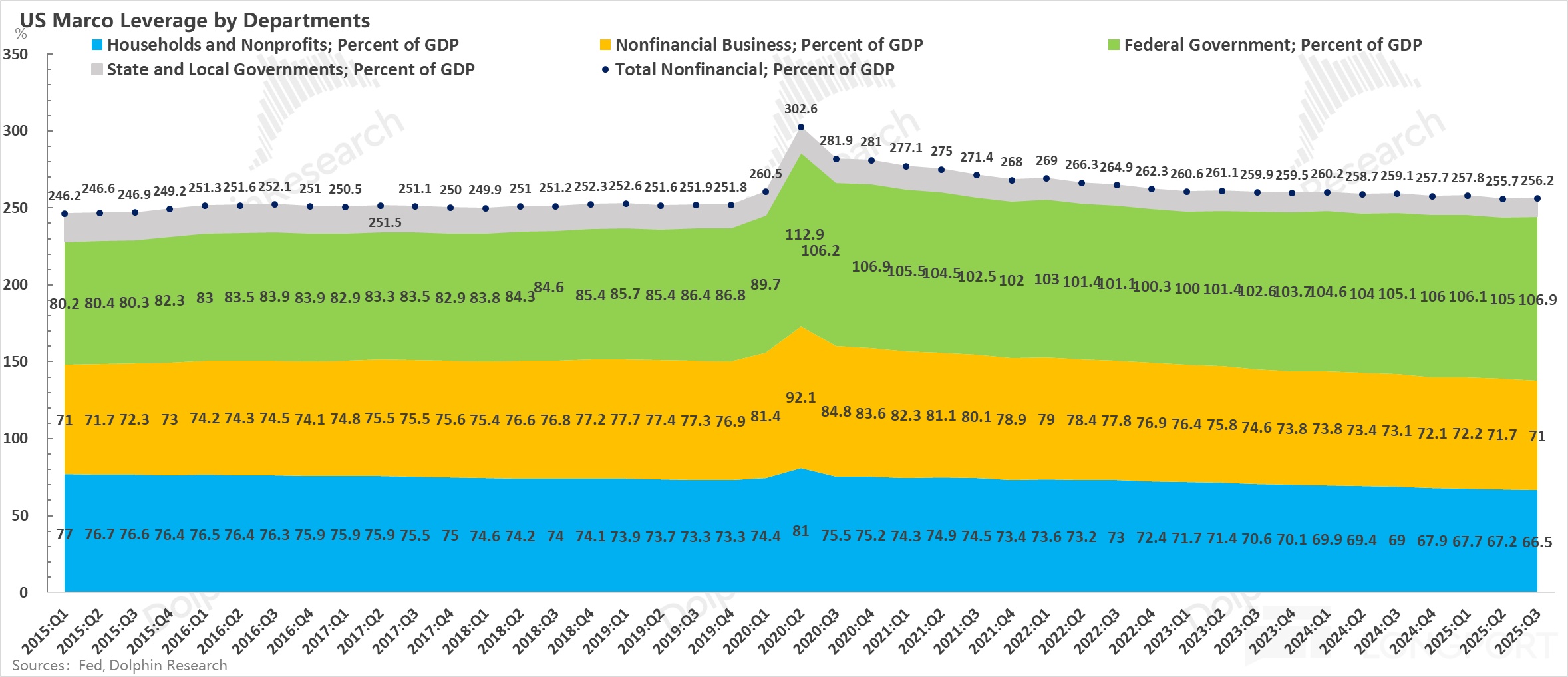
Trump's response is blunt: subpoenaing Powell over Fed HQ renovation overruns and alleged perjury, repeatedly probing the limits of Fed independence. This is pressure, plain and simple.
III. Long-term and Short-term Interests Resonate: Interest Rate Cuts and Quantitative Easing?
There is clear overlap between short- and long-term aims: rate cuts and easier liquidity. Lower borrowing costs ease household interest burdens, support AI capex, and reduce Treasury interest expense—one policy, many wins.
The swing variable is the next Fed lineup. With Kevin Hassett seemingly out, the leading candidate is Kevin Warsh, who favors rate cuts but opposes QE.
He leans toward deregulation and tax cuts, arguing that freer capital and productivity flows cool inflation. Opposition to QE reads more like 'activate existing liquidity' via looser financial regulation rather than expand the balance sheet. Net-net, he is less aligned than Hassett would be, but still broadly supportive of Trump's economic playbook.
IV、Strategy:Don’t bet against Trump
In essence, Trump is engineering administratively suppressed inflation in 2026. Lower rates would fuel spending and capex, creating a manufactured boom.
Whether inflation snaps back in 2027 depends on AI's deflationary force. But 2026 looks set for a policy-driven 'prosperity' phase.
Two rules of thumb from the past year still apply: in markets, TACO—'Trump always chickens out'; against rivals, TAGW—'Trump always gets what he wants'. They anchor two principles.
1) His red line is higher U.S. equities. Stocks power consumption and tax receipts, and in a midterm year, he cannot afford a market break.
2) Within that constraint, he is flexible and pragmatic in pursuing his goals: a) rate cuts, b) lower oil prices, and c) lower power bills. All roads lead to the midterms.
Hence, Dolphin Research's macro strategy boils down to:
1) Stay constructive on U.S. equities, but avoid sectors facing administrative price caps. Overweight beneficiaries of Trump's policies.
Expect tariff revenues to be packaged as voter rebates in Hill negotiations—'buying votes' by converting tariffs from a drag on purchasing power into a consumer boost. This setup argues for pre-positioning in consumption and retail names.
2) With heavy debt and forced easing to push reindustrialization, the dollar's credibility may erode. A weak-USD regime argues for diversification and higher non-U.S. exposure in 2026.
3) Dollar credibility risk plus renewed global easing (ex-China) favors 'trust substitutes' like gold. Expect continued opportunities in monetary hedges.
V. Portfolio Returns
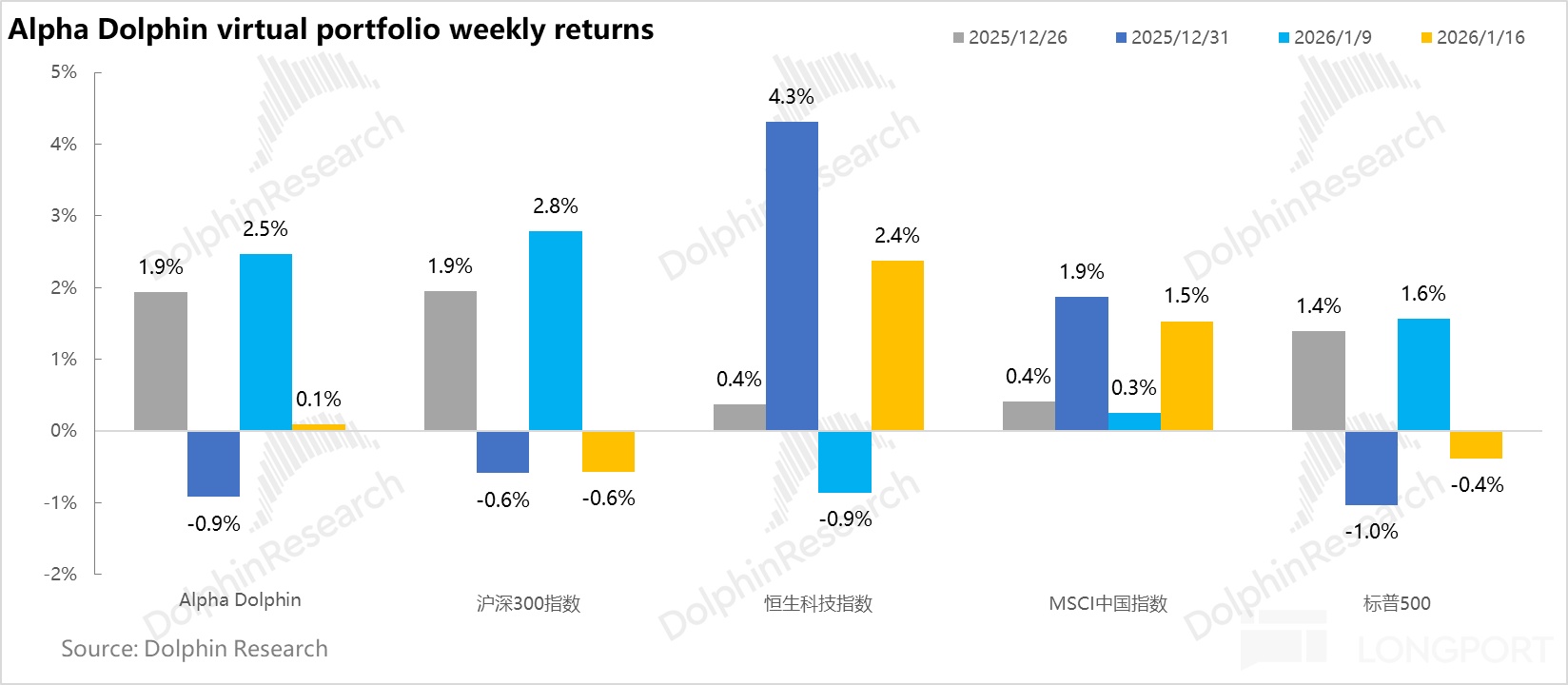
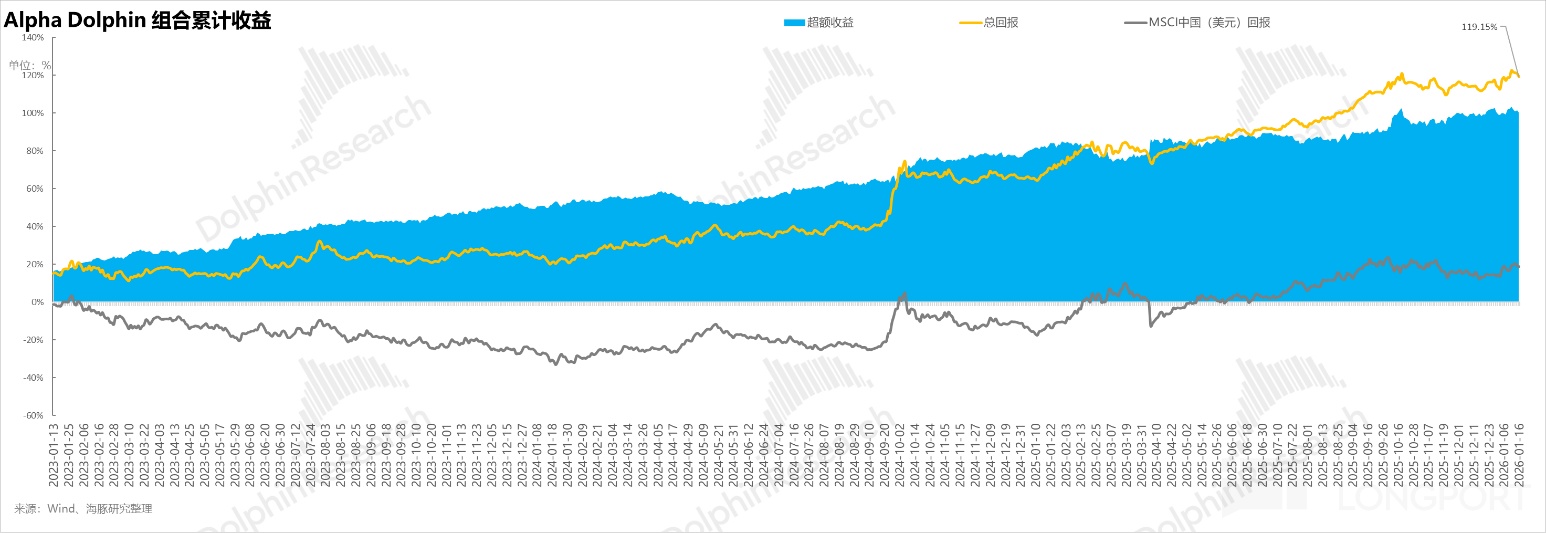
Last week, Alpha Dolphin made no changes. The portfolio returned 0.1%, beating CSI 300 (-0.6%) and the S&P 500 (-0.4%) but lagging MSCI China (+1.5%) and the Hang Seng Tech Index (+2.4%).
A pullback in gold weighed on performance, and several large positions were hit by earnings-related communication. That was the main drag.
Since inception (Mar 25, 2022) to last week, absolute return is 119%, with 100% excess return vs. MSCI China. NAV terms: starting from $100mn of virtual capital, the book now exceeds $222mn.
VI. Contribution of Individual Stocks to Profit and Loss
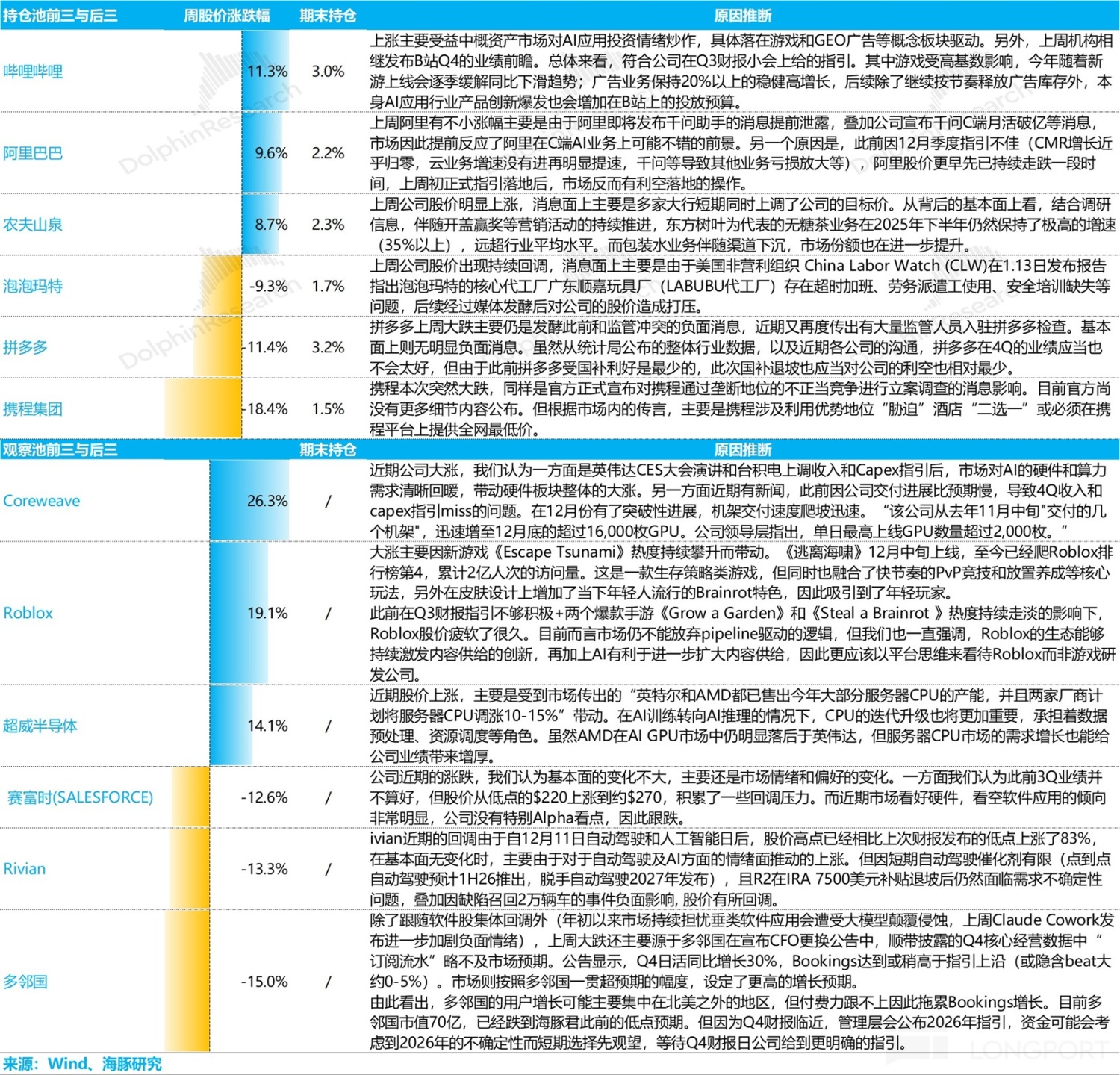
The portfolio underperformed China equity benchmarks as the rally broadened to smaller ADRs, while quality holdings like Pop Mart and PDD pulled back. We were also hit by Trip.com Group's antitrust fine.
Stock-level moves are detailed below. See the breakdown.
VII. Asset Allocation
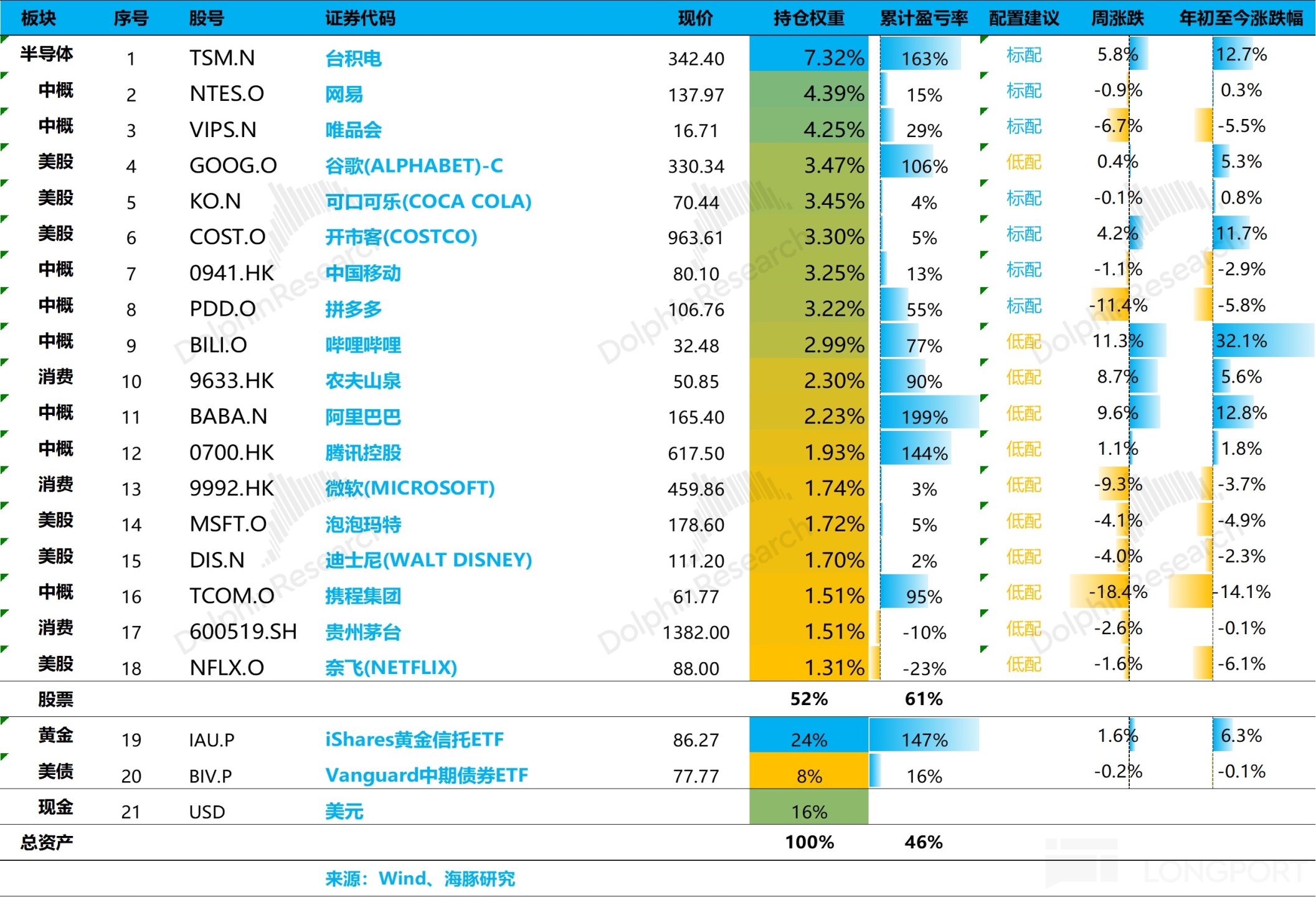
Alpha Dolphin holds 18 equities and equity ETFs, with 7 core positions and the rest underweight. Non-equity exposure is mainly gold, U.S. Treasuries, and USD cash, with equities vs. defensive (gold/UST/cash) at roughly 52:48.
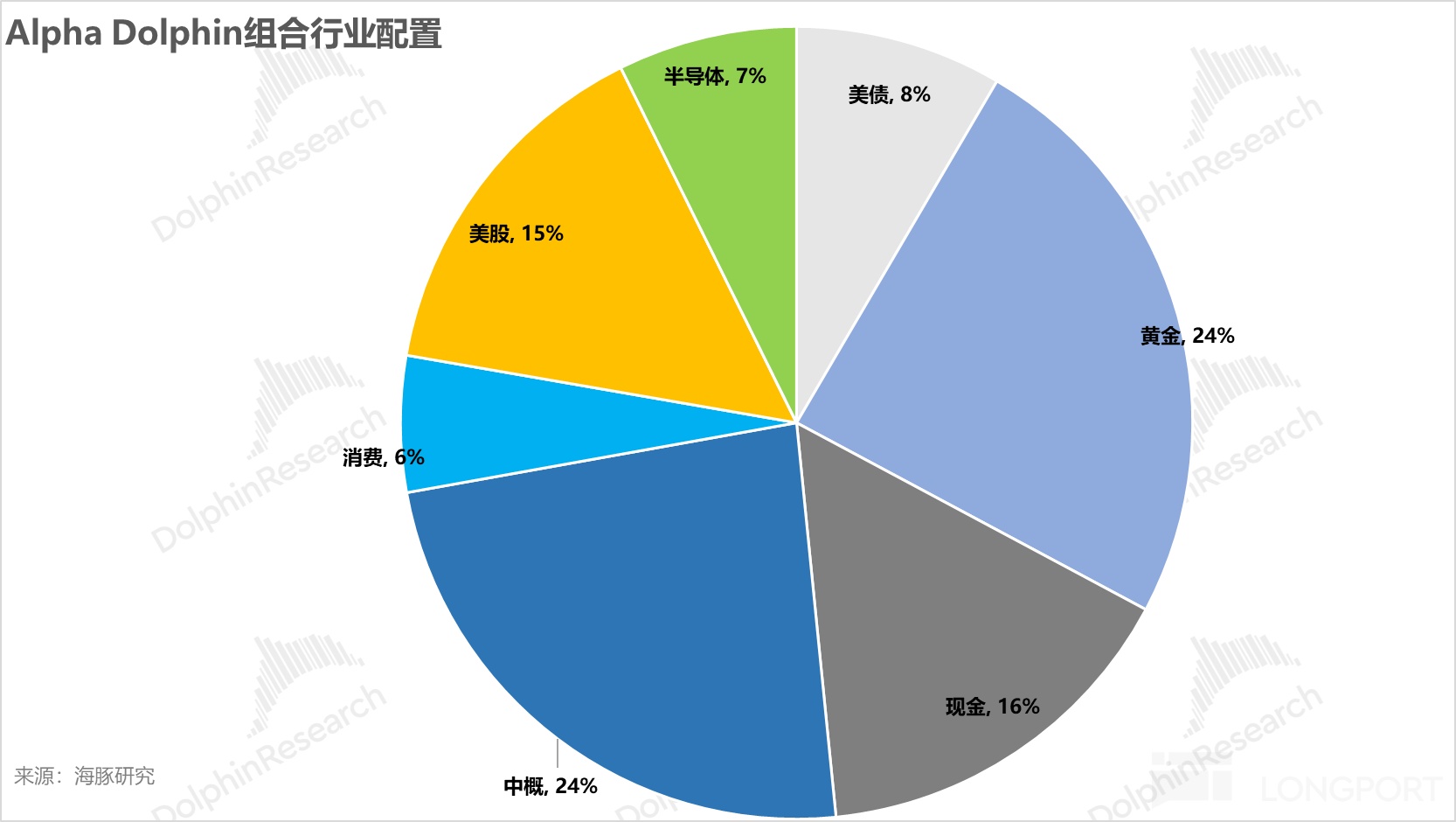
As of last week, see the asset allocation and equity position weights below. Details follow.
<End>
本文的风险披露与声明:海豚研究免责声明及一般披露
近期海豚研究组合周报的文章,请参考:
The copyright of this article belongs to the original author/organization.
The views expressed herein are solely those of the author and do not reflect the stance of the platform. The content is intended for investment reference purposes only and shall not be considered as investment advice. Please contact us if you have any questions or suggestions regarding the content services provided by the platform.
