


 Rate Of Return
 Total Assets
Will China's senior officials disclose their assets?
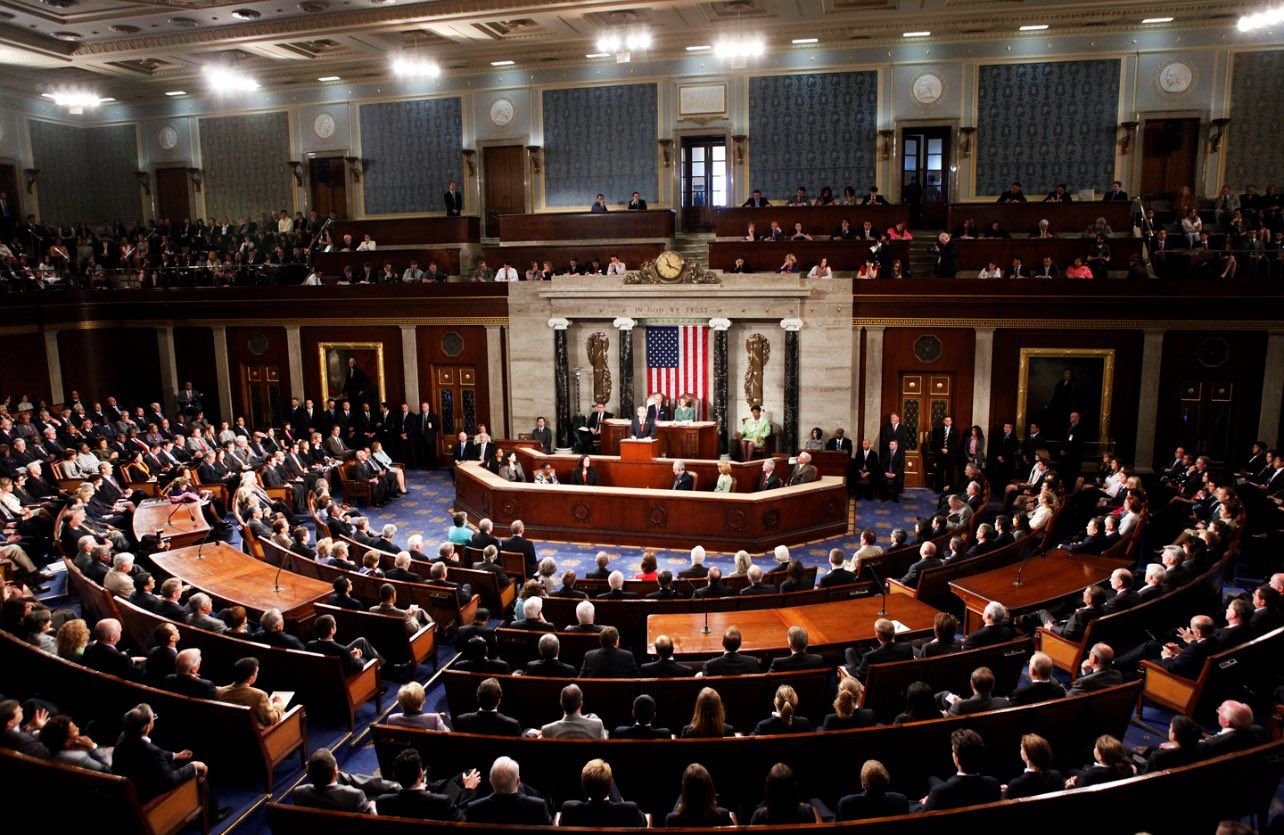
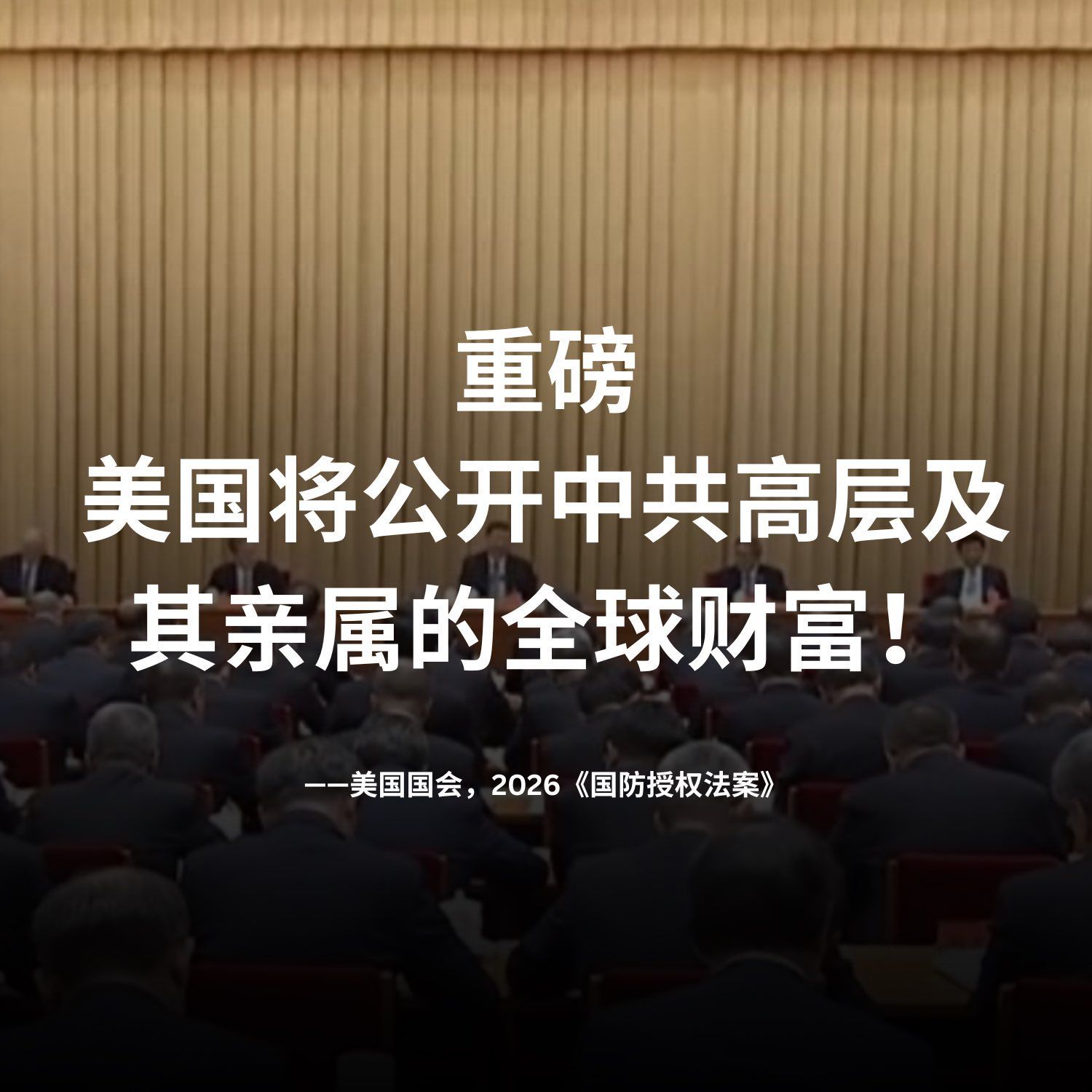
On December 10, the U.S. House of Representatives passed the National Defense Authorization Act for Fiscal Year 2026. What’s particularly intriguing is Section 6704. This section requires the Director of National Intelligence to submit a public report to Congress within 180 days after the bill takes effect, detailing the wealth status, sources, and potential corruption activities of China’s top leadership.
The scope is extensive. It includes all members of the Politburo Standing Committee, Politburo members, and provincial party secretaries—both current and former—as well as their immediate family members. The asset categories cover not only real estate and investments but also family-controlled holdings, offshore accounts, shell companies, nominee holdings, and various hard-to-trace overseas asset structures. The U.S. intelligence community had already released a similar unclassified assessment in March this year, but this time, the exploratory research has been directly written into federal legislation.
If this provision is ultimately signed into law, the U.S. intelligence system will present the wealth networks of the CCP’s top leadership to Congress and the media in the form of public records within six months. The significance lies not in the numbers themselves but in transparency. Once included in public documents, those intricate family investments, long-hidden offshore assets, and nominally power-independent family funds will all become subjects of international discussion.
The future use of this report is also very clear. It will serve as the factual basis for subsequent asset freezes, visa restrictions, commercial sanctions, and investment reviews. Since last year, the U.S. Congress has been pushing to undermine the CCP’s legitimacy by exposing corruption, and this provision is an extension of that long-term strategy.
Once the wealth details are made public, the content cannot be deleted in the West or replaced outside China. The higher the rank, the more concerned they are about family assets being exposed, as this is the most vulnerable link.
This provision marks a turning point. From now on, whether China’s foreign policies are linked to the wealth of its top leadership will become a regular topic in U.S. strategic analysis discussions.
The copyright of this article belongs to the original author/organization.
The views expressed herein are solely those of the author and do not reflect the stance of the platform. The content is intended for investment reference purposes only and shall not be considered as investment advice. Please contact us if you have any questions or suggestions regarding the content services provided by the platform.
