Chip Stock Sell-Off Spreads to Asia; Japanese Stocks Drop Over 2%, Korean Stocks Plunge 6% with 5-Minute Halt on Programmed Selling
The overnight decline in the U.S. semiconductor sector continued to spread to Asian markets. The MSCI Asia Pacific Index fell by over 1%, the TOPIX index in Japan extended its losses to 2.4%, and the Nikkei 225 also dropped by more than 2%. The Korea Composite Stock Price Index plunged over 6%, prompting the Korea Exchange to activate the SIDECAR mechanism and suspend programmed selling to curb the sell-off momentum
The overnight decline in the U.S. semiconductor sector continued to spread to Asian markets. Coupled with persistently high bond yields and rising oil prices, global risk assets came under pressure.
On Wednesday, the Korea Composite Stock Price Index (KOSPI) once extended its decline to over 6%, becoming one of the worst-performing markets in the Asia-Pacific region. The Korea Exchange promptly activated the SIDECAR mechanism, suspending programmed selling to curb the sell-off momentum.
The MSCI Asia Pacific Index fell by over 1% to 273.09 points. The TOPIX index in Japan extended its losses to 2.4%, and the Nikkei 225 also dropped by more than 2%.
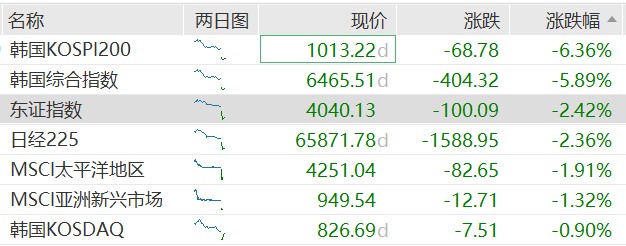
The core trigger for this round of adjustment was the 5% plunge in U.S. semiconductor stocks on Tuesday, which transmitted the downward momentum to Asia. Both Samsung Electronics and SK Hynix fell by approximately 7%, while Nasdaq 100 futures softened further.
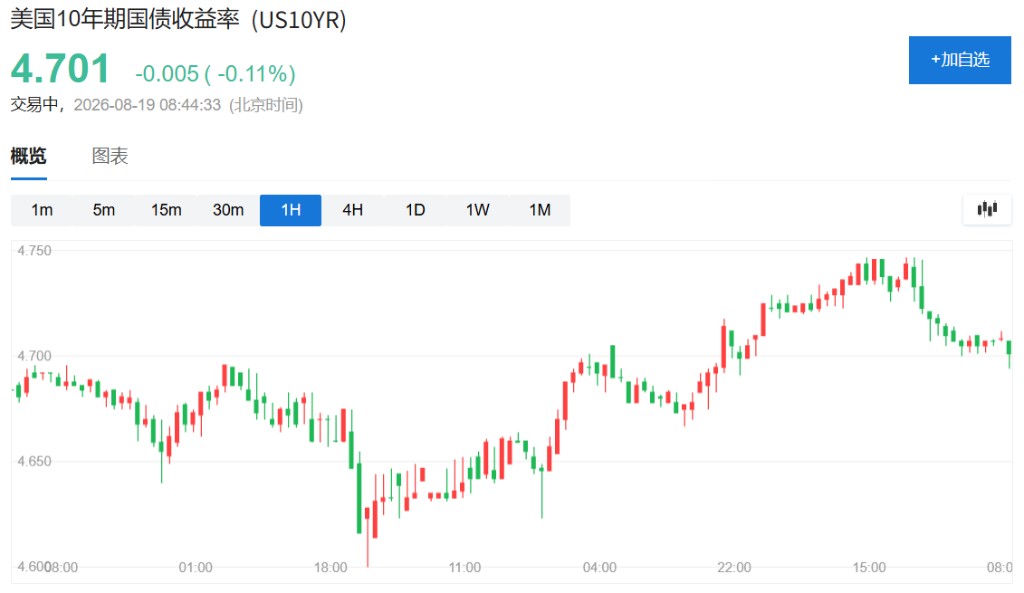
Meanwhile, the yield on the U.S. 30-year Treasury bond touched 5.34% during trading on Tuesday—the highest level since 2007—while the 10-year yield rose to 4.75%. Elevated borrowing costs continued to weigh on the valuations of growth stocks.
Kazunori Tatebe, Chief Strategist at Daiwa Asset Management, stated:
The outlook for the Middle East situation remains unclear, and with yields remaining high, the market is likely to continue in risk-aversion mode today.
He also pointed out:
Higher yields will increase borrowing costs for hyperscale cloud computing companies, raising doubts about their capital expenditure prospects and the potential impact on AI infrastructure firms.
High Bond Yields Hit Growth Stocks Hardest
Long-term U.S. Treasury yields hovering near multi-decade highs have become one of the core factors suppressing Asia-Pacific equity markets.
The yield on the U.S. 30-year Treasury bond briefly touched 5.34% during trading on Tuesday, the highest level since 2007, before closing slightly lower at 5.28%. The 10-year yield reached 4.75% on Tuesday.
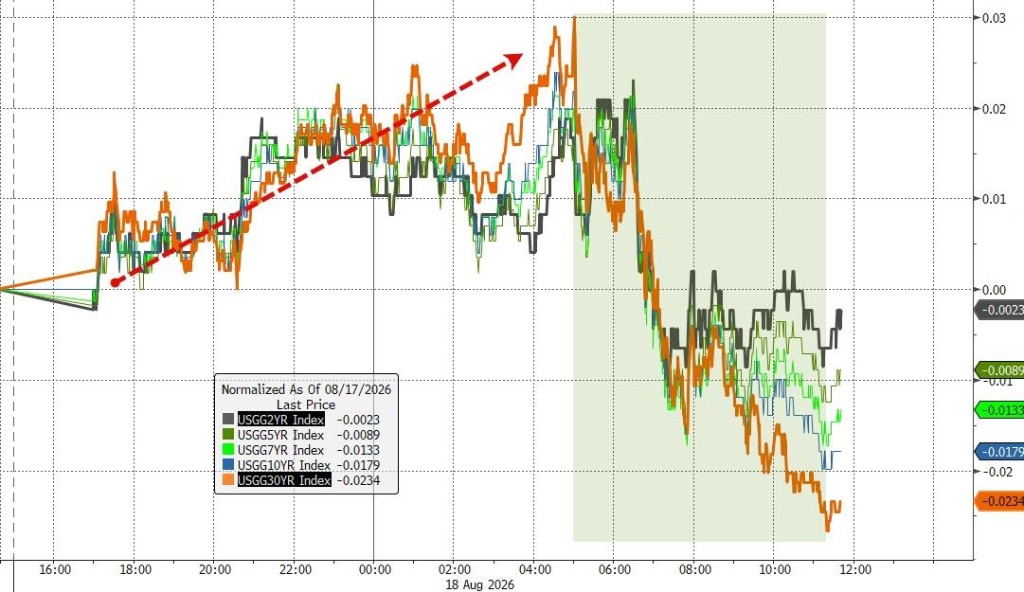
During the Asia-Pacific session on Wednesday, the 10-year U.S. Treasury yield remained largely flat at 4.70%. The yield on Japan's 10-year government bond fell by 1.5 basis points to 2.92%, and Australia's 10-year government bond yield dropped by 3 basis points to 5.06%, reflecting a brief 回流 of funds into the bond market.
The latest Federal Reserve meeting minutes will be released at 2:00 a.m. Beijing time on Thursday, with the market looking for clues on policy direction. Kay Herr, U.S. Chief Investment Officer for Global Fixed Income, FX, and Commodities at JPMorgan, told Bloomberg TV:
What the market is worried about is: what exactly is the Fed's reaction function? The market does not like the reality of lacking forward guidance.
Dan Pan, an economist for the Americas at Standard Chartered Bank, also pointed out:
Inflation risks 叠加 with growing fiscal concerns are driving up long-term U.S. yields, and overall risk sentiment remains cautious.
Escalating Middle East Tensions Add Pressure as Oil Prices Rise
Geopolitical tensions have further exacerbated market anxiety.
Wallstreetcn mentioned that, according to Xinhua News Agency, Abu Dhabi reported on August 19 that the UAE Ministry of Foreign Affairs announced in the early hours of the 19th that, given the continuous escalation of regional situations undermining regional and international peace and security, the UAE has decided to suspend all trade, commercial interactions, and financial transactions with Iran, with resumption time to be notified separately.
The UAE Ministry of Defense stated on the 18th that the UAE air defense system detected two ballistic missiles launched from Iran, one of which landed outside UAE territorial waters, while the other fell within its territorial waters. The Ministry said the country is currently on high alert and prepared to respond to any threats.
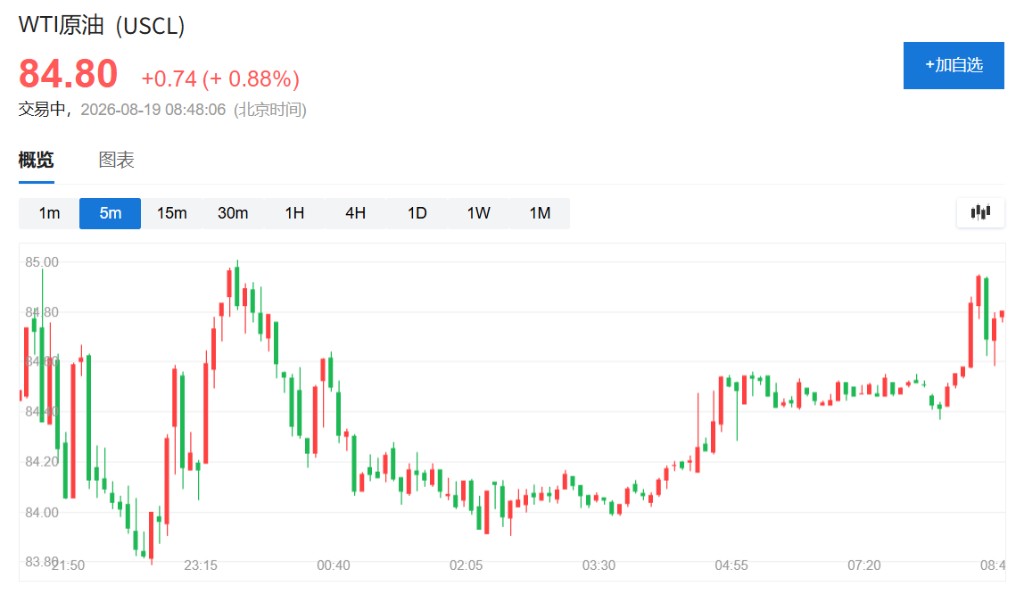
During the Asia-Pacific session on Wednesday, crude oil continued its upward trend. WTI crude oil rose by 0.8%, and Brent crude oil increased by 0.67% to $91.63 per barrel.
Fawad Razaqzada, an analyst at Gain Capital, stated:
The combination of higher energy costs and higher long-term borrowing costs is becoming increasingly unbearable, and equity investors are finally starting to react by shifting towards more defensive allocations.
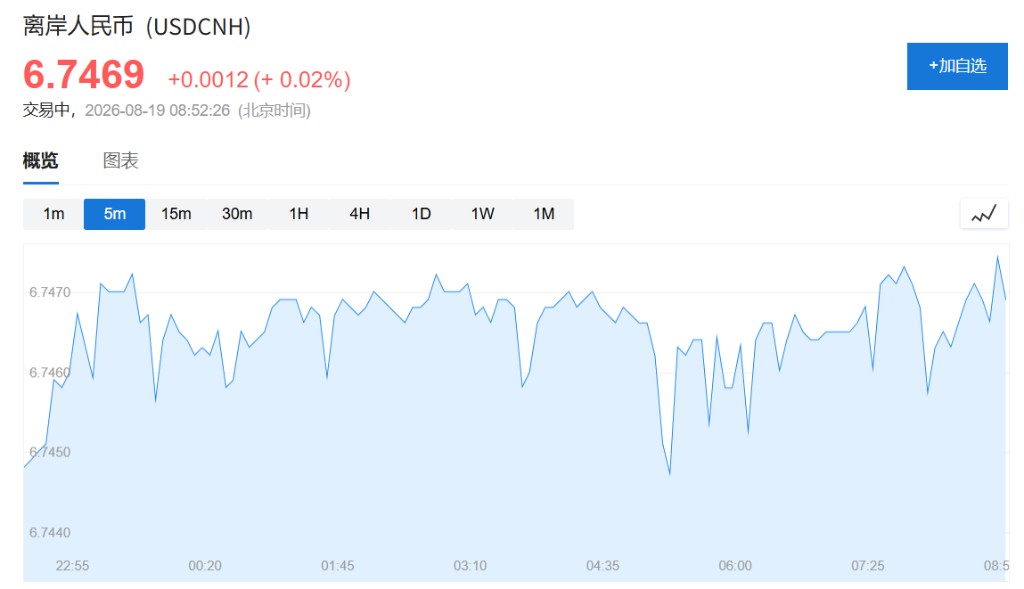
In the foreign exchange market, the U.S. Dollar Index remained largely flat, the Japanese yen stayed around 159.49, the offshore Chinese yuan stabilized near 6.7469, and the Australian dollar dipped slightly by 0.1% to $0.7080.
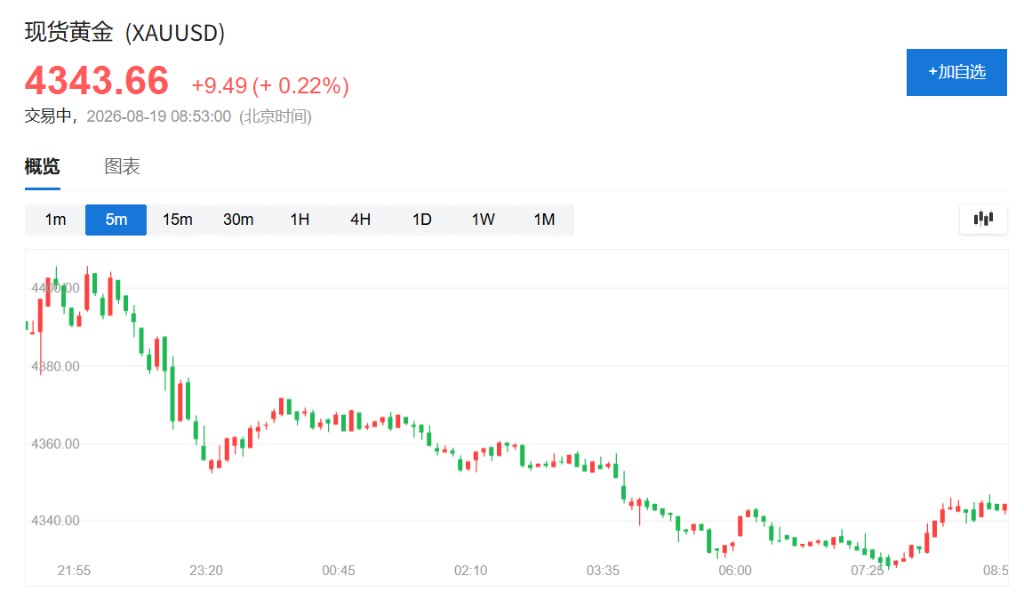
Gold saw a slight rebound, rising 0.22% during the day to trade around $4,343 per ounce.