


Fund Single-Stock Holding Cap Raised to 25%, Taiwan Stock Market Surges, TSMC Shares Hit ATH (All-Time High)
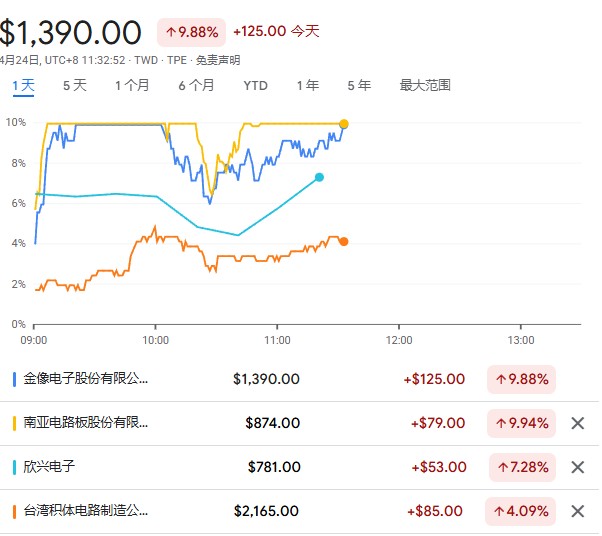
Taiwan's financial regulator announced a significant increase in the single-stock holding cap for funds from 10% to 25%. TSMC shares surged 4.8% intraday to set a new all-time high, while major substrate companies like Golden Union Electronics hit their daily price limits. JPMorgan estimates this move could trigger over $6 billion in capital inflows, with the Taiwan Weighted Index potentially breaking through 40,000 points. However, the concentration risk posed by TSMC's weight exceeding 44% remains a looming threat hanging over this market rally
Taiwan's financial regulator has raised the cap on fund holdings in individual stocks, triggering a broad rally in the Taiwan stock market and pushing TSMC shares to an all-time high.
On Friday, the Financial Supervisory Commission of Taiwan announced plans to raise the single-stock holding limit for local equity funds and actively managed ETFs from 10% to 25%. Boosted by this news, TSMC shares climbed as much as 4.8% during trading hours, setting a new record. The Taiwan Weighted Index rose as much as 3.2%, becoming the strongest-performing major Asian index that day.
JPMorgan believes this policy adjustment could bring over $6 billion in new capital inflows to the Taiwan stock market and expects the Taiwan Weighted Index to rise to 40,000 points, implying approximately 6% upside from Thursday's closing price. Meanwhile, Taiwan's substrate sector stocks collectively hit their daily price limits, and market sentiment has fully heated up.
Policy Easing Directly Benefits TSMC
The core beneficiary of this regulatory adjustment is TSMC. Driven by the ongoing artificial intelligence boom, TSMC's weight in the Taiwan Weighted Index has exceeded 44%, while its share in the MSCI Emerging Markets Index stands at 13%. The original 10% single-stock holding cap prevented many local funds from fully participating in TSMC's rally.
Vey-Sern Ling, Managing Director at Union Bancaire Privee, stated, "Now that the cap has been raised to 25%, these local funds will buy more TSMC." He also noted that this move will ultimately help narrow the discount gap between TSMC's listed shares in Taipei and its American Depositary Receipts (ADRs). This discount exists partly because converting Taiwan-listed stocks into ADRs requires special regulatory approval, whereas U.S. stocks face no such restrictions.
This rally was not limited to TSMC alone. Several major Taiwanese substrate companies hit their daily price limits on the same day, including Golden Union Electronics (+9.88%), Nan Ya Printed Circuit Board (+9.94%), and Unimicron (+7.28%). One observer pointed out that the Taiwan Stock Exchange may need to consider expanding the daily price fluctuation limits.
Concentration Risk Remains a Concern
Despite the buoyant market sentiment, analysts have warned of potential risks. With TSMC's weight in the Taiwan Weighted Index exceeding 44%, this policy adjustment will further exacerbate concentration risk in the Taiwan market. Analysts had previously expressed concern that significant volatility in TSMC's stock could drag down the overall market, and raising the holding cap will tighten this correlation even further.
Meanwhile, JPMorgan strategists have upgraded their rating on the Taiwan stock market to overweight, citing reduced concerns about challenges in monetizing artificial intelligence and sustained hardware pricing strength, which provide additional support to the fundamentals of Taiwan's stock market.
