Israel's Largest Gas Field Leviathan Resumes Production, Temporarily Easing Global Natural Gas Supply Pressure

Wallstreetcn
2026.04.03 11:52

Israel's largest gas field, Leviathan, has resumed production after a 33-day halt, bringing a temporary relief to the global natural gas market. The field, operated by Chevron, will allow Egypt to resume receiving natural gas from Israel. Despite this, tensions in the Middle East persist, with Iran's attacks causing damage to other facilities. The production halt had a limited impact on Newmed Energy's cash flow and is not expected to have a significant effect on 2026

Israel's largest natural gas field, Leviathan, has restarted production after a 33-day shutdown, bringing temporary relief to an already pressured global natural gas market.

According to Bloomberg, a spokesperson for Newmed Energy LP, a stakeholder in the Leviathan project, stated that the field has resumed supplying gas to both the Israeli domestic market and export markets. Operated by Chevron, Leviathan is located in the Eastern Mediterranean and is Israel's most important natural gas asset, as well as a key source of natural gas supply for Egypt.

Egypt typically receives about 1 billion cubic feet of natural gas daily from Israel via pipeline. The supply interruption had previously forced Cairo to urgently expand its liquefied natural gas imports and announce a series of energy rationing measures.

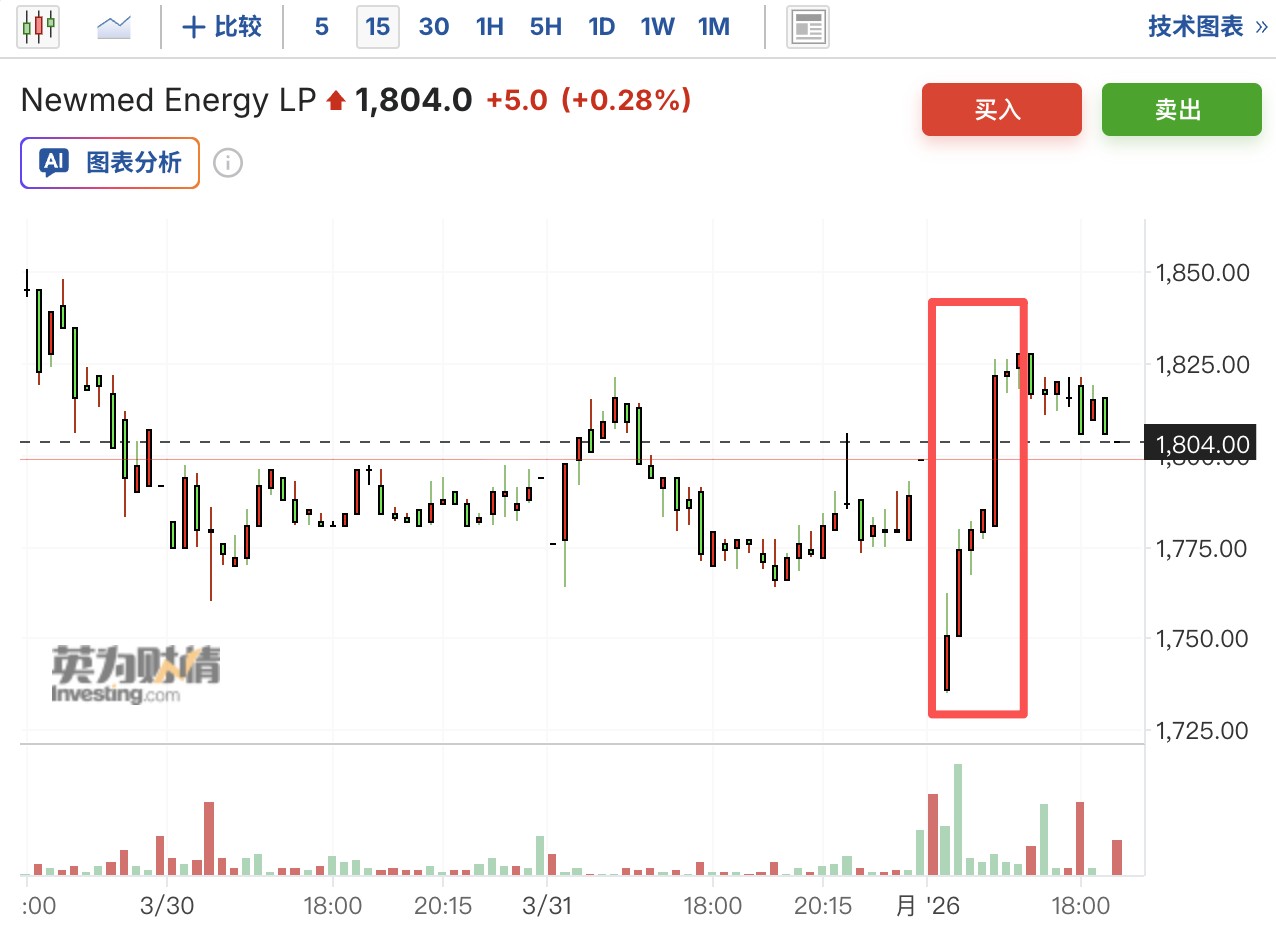
However, tensions in the Middle East have not subsided. Just hours before Leviathan's restart, Iran launched a new wave of attacks, causing a fire at a refinery in Kuwait and damaging power and desalination facilities. A large gas processing facility in Abu Dhabi also ceased operations due to a fire caused by intercepting falling debris. Following the announcement, Newmed's shares listed in Tel Aviv rose by up to 1.6% during trading.

War Triggers Shutdown, Supply Shortage Impacts Global Market

On February 28th of this year, after the outbreak of conflict between Israel and Iran, Israeli authorities ordered the temporary closure of some gas fields for security reasons, placing Leviathan in a state of production stoppage. This shutdown lasted for 33 days.

The impact of the shutdown quickly spread globally. On one hand, the war disrupted shipping in the Strait of Hormuz; on the other hand, the world's largest liquefied natural gas plant in Qatar was damaged by a missile attack. These multiple factors compounded the already tight international natural gas supply.

Egypt was hit first, implementing emergency rationing measures. These included turning off streetlights early to save energy and urgently expanding liquefied natural gas imports to cover the deficit. Egypt typically receives about 1 billion cubic feet of natural gas daily from Israel via pipeline.

Newmed: Shutdown Has Limited Impact on Cash Flow

In a regulatory filing on Friday, Newmed Energy disclosed that preliminary assessments indicate the month-long shutdown of Leviathan is not expected to have a significant material impact on cash flow in 2026.

The company also stated that project partners plan to "explore the possibility of seeking compensation from the state for the cessation of natural gas production."

Following the announcement, Newmed's shares listed in Tel Aviv rose by up to 1.6% during trading. Currently, Newmed holds approximately a 45% stake in Leviathan, Chevron holds just under 40%, and the remaining portion is held by Ratio Energies.

Notably, Israel's other gas field, Karish, has not yet resumed production. This field, operated by Energean Plc, was also shut down at the government's request after the outbreak of war and has not yet resumed operations. The market remains watchful regarding its restart timeline.

Risk Disclosure and Disclaimer

Markets are risky; investment requires caution. This article does not constitute personal investment advice, nor has it considered the specific investment objectives, financial situation, or needs of individual users. Users should consider whether any opinion, view, or conclusion in this article is suitable for their specific circumstances. Investment based on this is at the user's own risk.