


After a 13% Pullback, Goldman Sachs Remains Bullish on Gold: Central Bank Purchases to Re-accelerate, Targeting $5,400 by Year-End!
Goldman Sachs believes that the current decline in gold prices is "clearly overshooting," with the market overestimating inflation and underestimating the slowdown in growth. As prices stabilize, central bank gold purchases are expected to re-accelerate, with an average monthly procurement of about 60 tons. Coupled with the potential for two more interest rate cuts this year, the price target of $5,400 per ounce by the end of 2026 is maintained
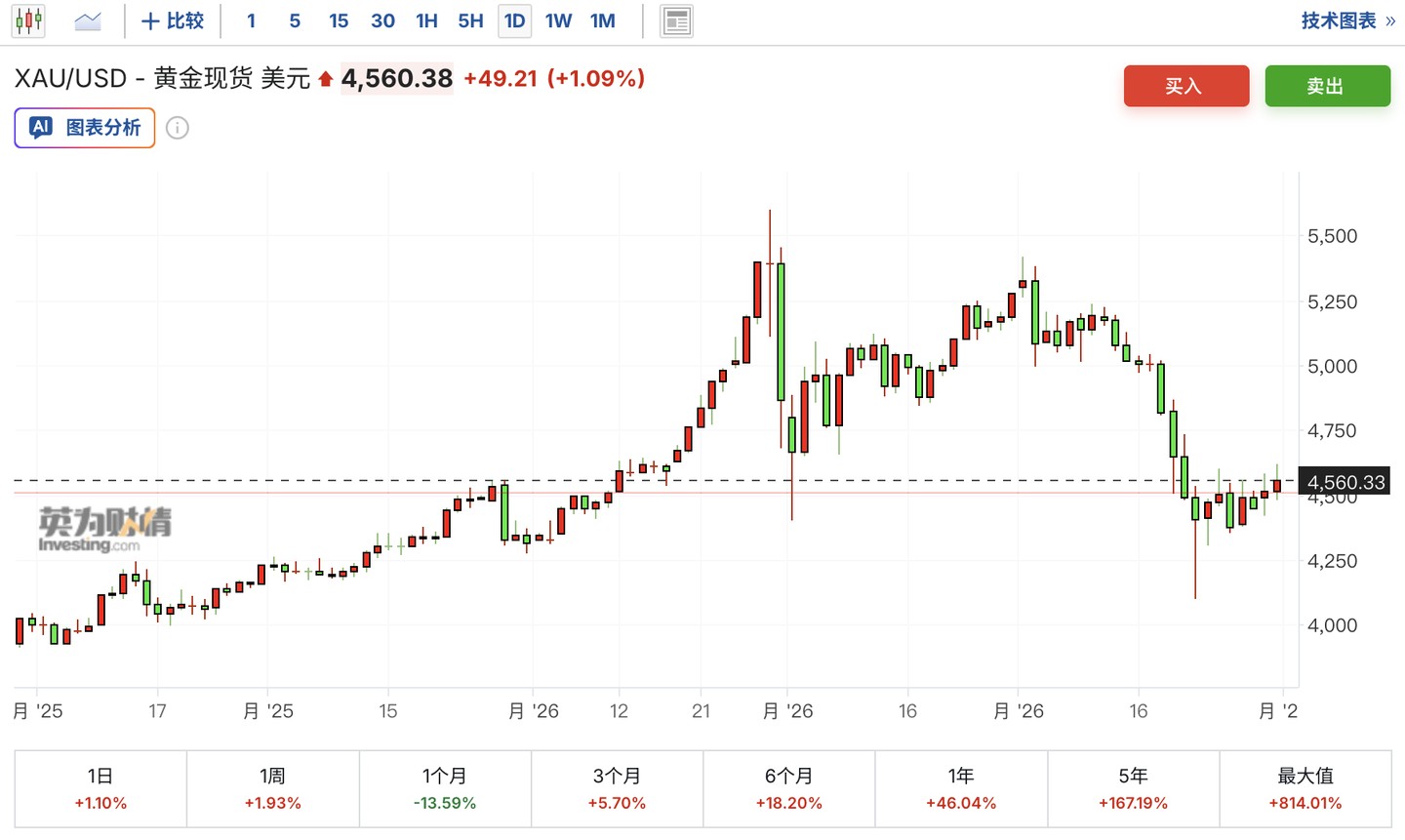
Gold prices have fallen by 13% since the outbreak of the Iran war, but Goldman Sachs maintains its bullish stance, expecting a rebound by year-end with a target price of $5,400 per ounce.
In their latest report, Goldman Sachs analysts Lina Thomas and Daan Struyven noted that the medium-term outlook for gold remains intact, with sustained central bank purchases and the potential for two more Federal Reserve rate cuts this year serving as core drivers for a price rebound.
They also acknowledged that gold faces "tactical downside risks" in the short term, with a potential drop to $3,800 per ounce if energy supply shocks continue to worsen.
The firm believes this adjustment has been "overdone," with the market overly focused on inflationary pressures while overlooking the drag from economic growth. Historical experience suggests that growth concerns will ultimately dominate market direction, implying that current gold prices have fully reflected, or even overshot, negative factors.
Reasons for the Pullback: Forced Selling Coupled with Tightening Monetary Policy Expectations
Since the war began, gold prices have fallen by 13% in about a month. This sell-off is attributed to two factors: first, a significant stock market decline forced investors to passively liquidate gold positions for liquidity needs; second, the market began pricing in tighter monetary policy expectations.
The two analysts emphasized that the magnitude of this repricing "has clearly overshot," with the fundamental reason being the market's overestimation of the weight given to inflation channels while underestimating the drag from declining economic growth.
They pointed out that, looking back at historical patterns, growth concerns ultimately become the dominant variable driving gold performance, and the current price level already implies significant room for recovery.
Central Bank Purchases: Official Sector to Re-accelerate Entry
Goldman Sachs anticipates that as price volatility gradually stabilizes in the medium term, central banks' gold purchasing activity will re-accelerate, with an average monthly procurement of approximately 60 tons. This projection is based on the assumption that private sector investment remains at current levels without additional increases.
Regarding external concerns that some central banks might sell gold to support their currencies, the report explicitly denies this possibility.
The report indicates that Gulf countries, due to their "prevalence of dollar-linked exchange rate regimes," are more inclined to intervene in currency markets by selling U.S. Treasury bonds rather than their gold reserves. This judgment implies that market concerns about collective central bank gold divestment are significantly overestimated.
Upside and Downside Scenarios: Two-Way Risk Under Geopolitical Competition
The report also outlines gold price movements under two extreme scenarios.
In the downside scenario, if energy supply shocks intensify, gold faces the risk of falling to $3,800 per ounce. In the upside scenario, if the conflict in Iran prompts more capital to withdraw from "traditional Western assets" for diversified allocation, the upside potential for gold prices will be considerable.
The firm maintains its year-end 2026 gold price target of $5,400 per ounce, supported by two core pillars: continued central bank gold purchases and the potential for two Fed rate cuts within the year.
Goldman Sachs believes that while geopolitical tensions have created short-term volatility, from a medium-term perspective, their structural effect of promoting asset diversification will become an important catalyst for gold price upside.
