


When Will Hong Kong Stocks Bottom Out?
Hong Kong stocks have fallen again recently due to geopolitical tensions, but analysis suggests pessimism is unwarranted, with potential for a rebound. In the short term, Hong Kong stocks will be influenced by external risk appetite, with sentiment indices in the panic zone, indicating rebound potential. Hong Kong stocks are relatively undervalued, less affected by liquidity shocks, and with the earnings season approaching, the market still needs to monitor the potential impact of US military actions
In "What Conditions Are Needed for a Hong Kong Stock Reversal? (03/26/2026)", we explicitly stated not to be pessimistic about Hong Kong stocks, and they subsequently rebounded as expected. However, influenced by geopolitical tensions over the weekend, Hong Kong stocks fell again today. Looking ahead, we will analyze the subsequent performance of Hong Kong stocks from the perspectives of sentiment, valuation, earnings, geopolitics, liquidity, and historical patterns. Please see the report for details:
I. Has Hong Kong Stock Bottomed Out?
Looking ahead, the pace of short-term geopolitical conflicts is difficult to grasp, and Hong Kong stocks will experience "follow-on" volatility amidst external disturbances. However, considering the full pricing-in of pessimistic expectations in Hong Kong stocks, easing downward pressure on earnings, and the mid-term expectation of US-Iran negotiations, we are not pessimistic about Hong Kong stocks. Therefore, the risk-reward ratio for both long and short positions in Hong Kong stocks is likely not high at present. The optimal strategy is to "wait and see." If subsequent unexpected military actions by the US trigger panic selling in the market, it might present a real opportunity for TACO and oversold rebounds.
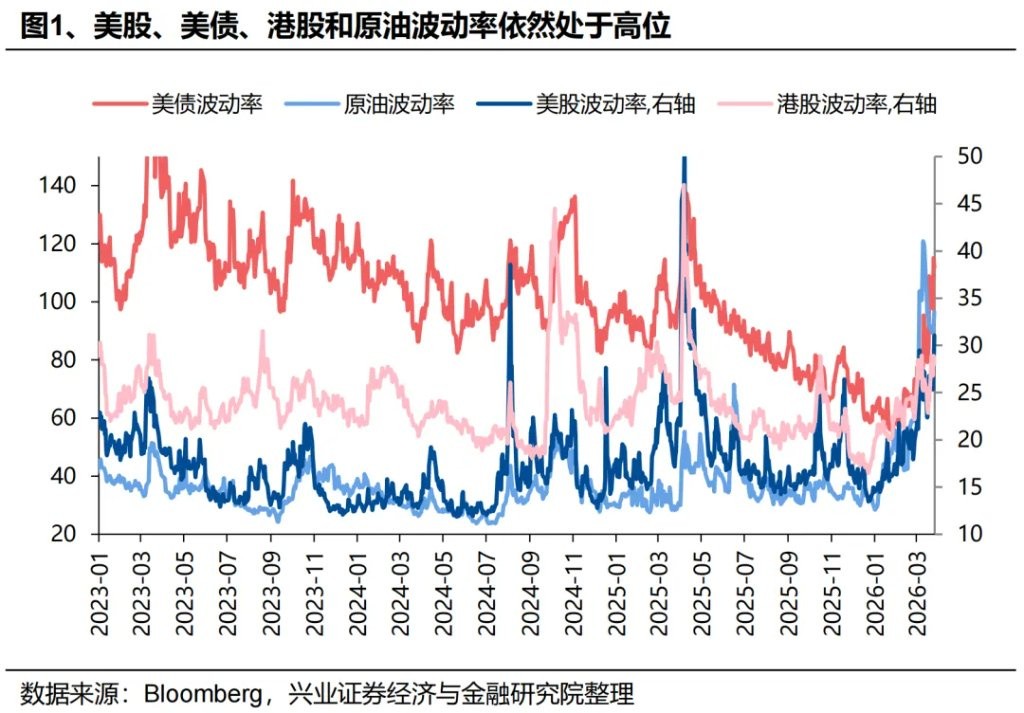
First, given the high short-term uncertainty, global risk assets are likely to maintain high volatility, and Hong Kong stocks may continue to be suppressed by the decline in overseas risk appetite. In "US-Iran Tracking 4: Can We Start Expecting De-escalation? (03/25/2026)", we pointed out that Trump currently lacks direct motivation to "surrender," and the market's concern about ground war risks still exists. According to CCTV News, the US Department of Defense is preparing for a ground operation in Iran lasting several weeks. Therefore, global markets may continue to experience high volatility in the short term, dragging down the performance of Hong Kong stocks.
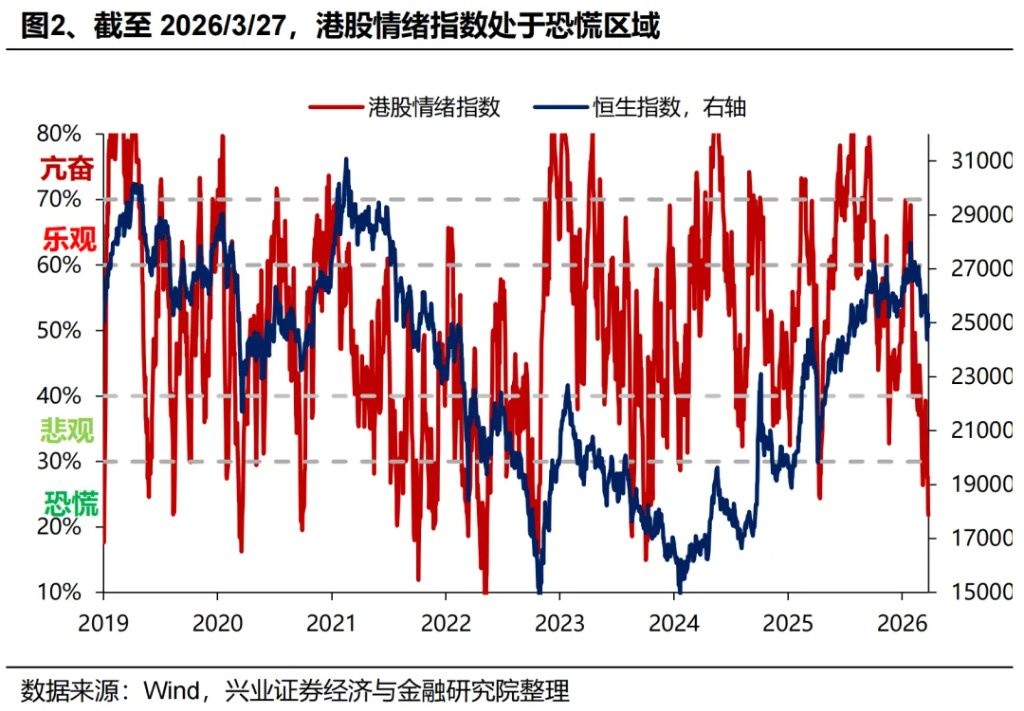
Second, Hong Kong stock sentiment remains in the panic zone. As of March 27, our Hong Kong stock sentiment index (detailed in "How to Scientifically Measure and Practically Apply Hong Kong Stock Market Sentiment (01/21/2026)") fell by 13.3% week-on-week to the panic zone of 21.8%, reaching its lowest level since 2024. This indicates potential for a rebound ahead (year-to-date, as of March 27, the excess return of the timing strategy based on Hang Seng Index/Hang Seng Tech Index is 5.7%/12.0%).
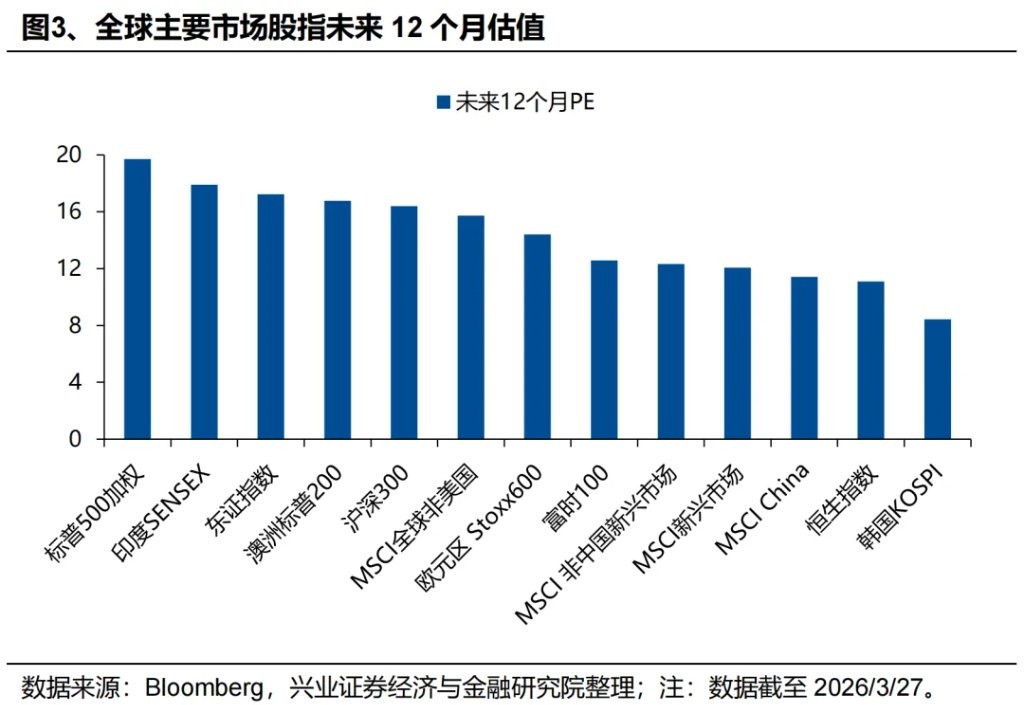
Third, compared to overseas markets, current Hong Kong stock valuations are lower, and the impact of liquidity shocks may be relatively smaller. As of 2026/3/27, the forward 12-month P/E ratio of the Hang Seng Index is 11.1x, which is cheaper than the US (19.7x), Japan (17.2x), Europe (14.4x), and emerging markets excluding China (12.3x). Therefore, the impact of liquidity tightening will be smaller going forward.
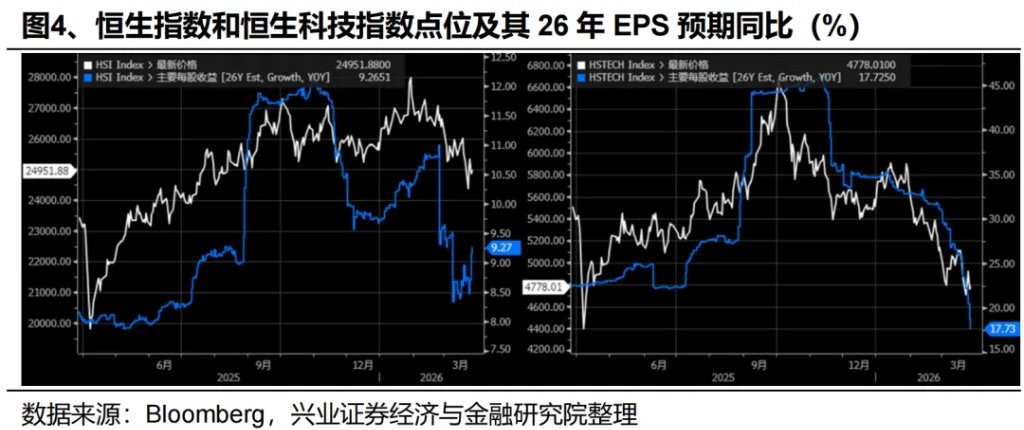
Fourth, with the earnings season nearing its end, earnings drag is easing, and Hong Kong stocks are poised to "move forward unburdened". As of March 27, the proportion of companies in the Hong Kong stock market that have published their 2025 annual reports is close to 70%, accounting for 88.5% of market capitalization. Notably, most core leading enterprises have disclosed their performance, so the negative impact of earnings falling short of expectations on the market is relatively limited.
Fifth, although the situation in Iran may still fluctuate in the short term, we are more inclined towards de-escalation rather than sustained escalation in the medium term. Considering the pressure from the international community and within the US on Trump, coupled with Iran's tougher and more united stance than before, the US no longer has the political and military motivation to "endlessly" escalate the conflict. Subsequently, with the pressure of high oil prices and rising risks of combat setbacks, the US is more likely to pursue negotiations in the medium term, thus heading towards de-escalation and negotiation.
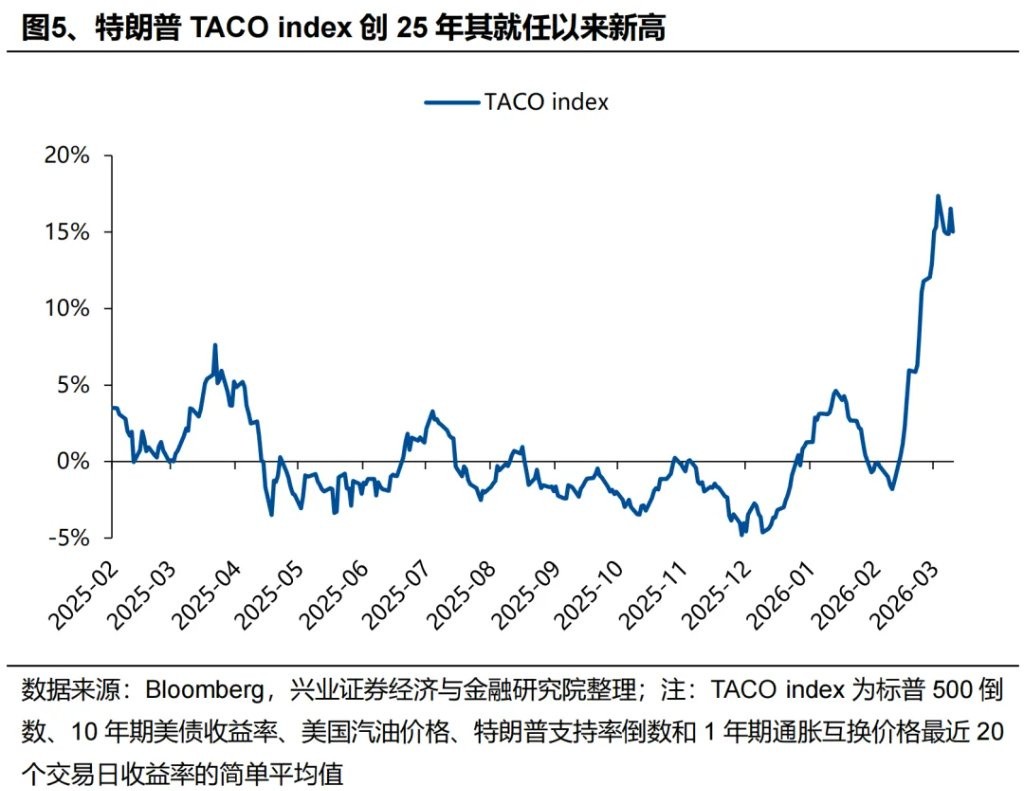
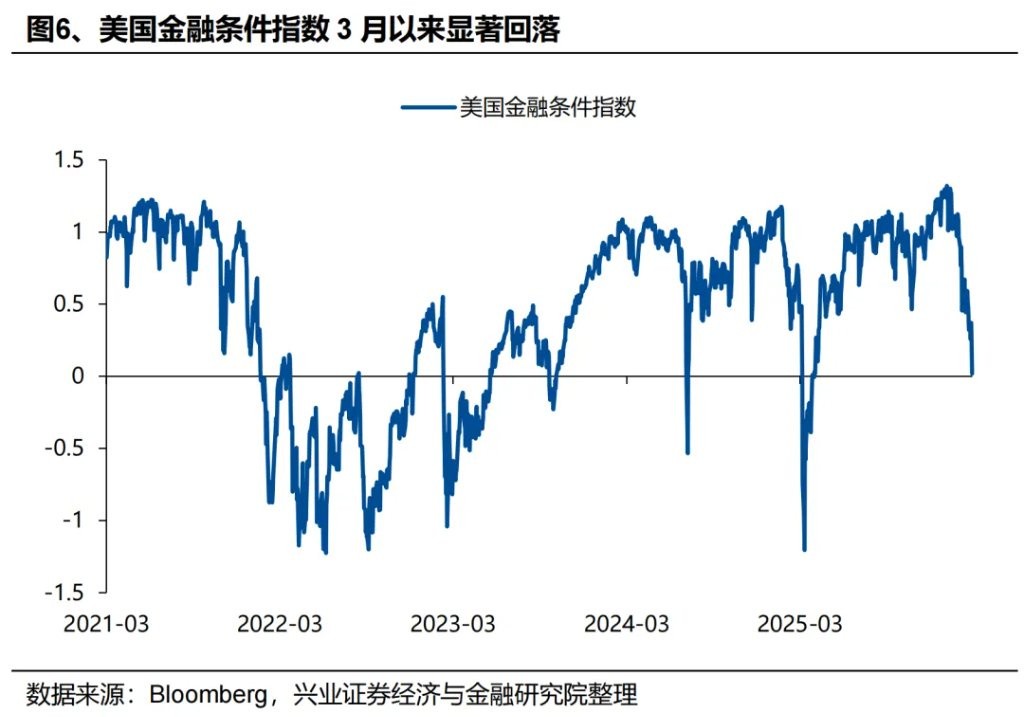
Sixth, the market may have over-priced liquidity tightening. Influenced by the "learning effect" of 2022, market judgments of the Fed often overshoot. The US Financial Conditions Index has fallen to around 0 since March, at the 12.7th percentile since 2023. Based on the analysis above, with geopolitical conflicts likely to de-escalate in the medium term, coupled with current domestic demand being weaker than in 2021-2022, the extent and lag of oil price increases on US inflation transmission may be less than currently expected by the market. "Stagflation" may not be the final baseline scenario for this round, and the current excessively pessimistic policy expectations are expected to gradually recover.
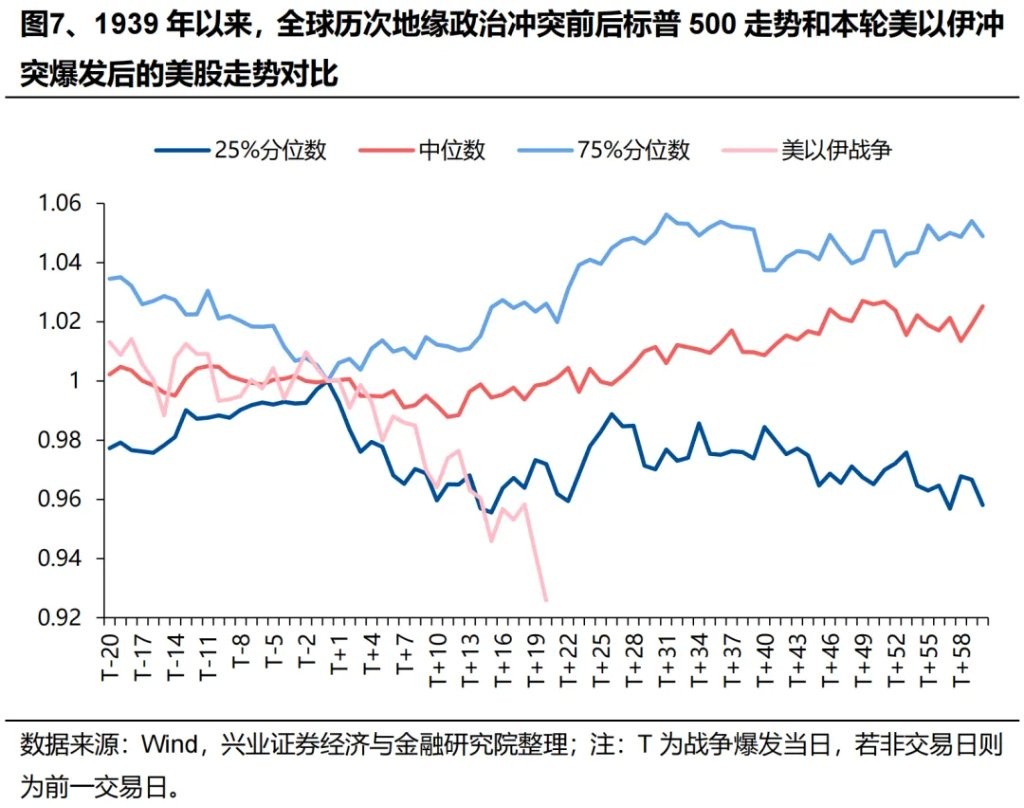
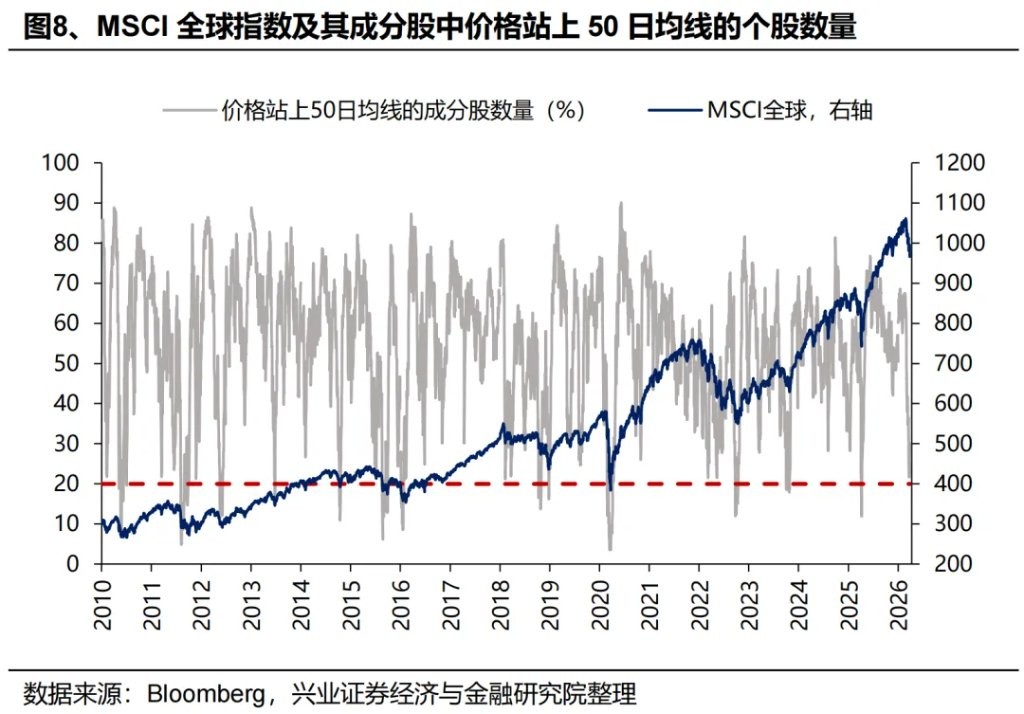
Seventh, assuming the global economy does not fall into recession, the impact of current geopolitical conflicts on US stocks is comparable to historical levels, and the room for significant further decline may be limited. After compiling the impact of 25 geopolitical conflicts on US stocks since 1939, we found that in the short term (within 60 trading days after the outbreak of war), the median/average maximum decline of the S&P 500 was 5.1%/7.1%, with bottoms occurring in about 20 trading days. In contrast, since the outbreak of the US-Iran war, US stocks have fallen by 7.4% since March. Furthermore, if we only consider geopolitical conflicts since the end of World War II, we found that only when the US economy experienced a recession during the war did the S&P 500's maximum decline exceed double digits, such as the 1973 oil crisis, the 1990 Gulf War, and the 2001 9/11 terrorist attacks. Additionally, as of 2026/3/27, the proportion of stocks in the MSCI World Index above the 50-day moving average has fallen to 25.37%, indicating that the extent of the current market sell-off is close to historical bottom levels.
Regarding when a trend of upward movement will occur, subsequent attention should be paid to: (1) clearer regulatory signals against involution; (2) whether the new generation of Hongmeng and DeepSeek large models released in April can strengthen confidence in Chinese technology; (3) whether the economic activity data for the peak season in March-April can exceed expectations again; (4) when Hong Kong stock ETFs will see net inflows; and (5) the progress of US-Iran negotiations.
Risk disclosure and disclaimer
Markets are risky, and investment requires caution. This article does not constitute personal investment advice, nor does it consider the specific investment objectives, financial situation, or needs of individual users. Users should consider whether any opinions, views, or conclusions in this article are suitable for their specific circumstances. Investment based on this is at your own risk.
