


Middle East Benchmark Distorted? Asian Refiners Abandon Dubai Oil Prices, Switch to Brent Pricing for U.S. Crude
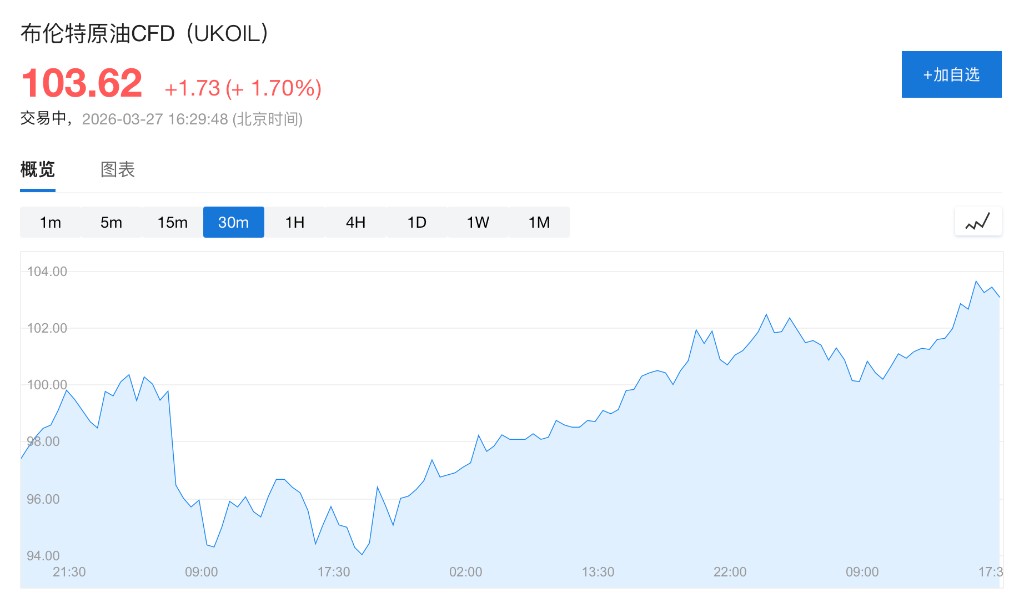
Dubai crude oil surged to a historic high of nearly $170 per barrel, far exceeding Brent's $103 per barrel, prompting Asian refiners to accelerate their shift from Dubai to Brent pricing for their U.S. crude oil purchases. The Japanese government has also intervened unusually, requesting domestic wholesalers to follow suit in changing pricing benchmarks to curb oil prices. This move could impact the liquidity of derivatives based on Middle Eastern benchmarks and exert long-term pressure on the pricing mechanisms of major suppliers like Saudi Aramco
The historic surge in Middle Eastern benchmark oil prices is reshaping the Asian crude oil trade landscape. After Dubai crude oil prices hit a record high of approximately $170 per barrel, surpassing Brent, Asian refiners have begun shifting the pricing benchmark for their U.S. crude oil purchases from Dubai to ICE Brent. Concurrently, the Japanese government has intervened, urging domestic wholesalers to adopt the Brent benchmark for pricing to curb further increases in gasoline prices.
According to Reuters on March 27, three refining and trading sources revealed that Asian buyers just began booking U.S. crude oil cargoes for July delivery this week, with multiple Japanese refiners having already completed procurement transactions priced against the Brent benchmark. Meanwhile, Japan's Ministry of Economy, Trade and Industry (METI) has issued administrative guidance to domestic wholesalers, requesting them to switch to the Brent benchmark for setting gasoline prices, replacing the Dubai benchmark.
This series of actions could impact the liquidity of derivatives markets for Middle Eastern benchmark oil prices and further exacerbate the divergence in global crude oil benchmark systems. For Asian buyers highly dependent on Middle Eastern crude oil supplies, the shift in pricing benchmarks is not merely an expedient measure to cope with abnormal price fluctuations but may also exert long-term pressure on the pricing mechanisms of major suppliers like Saudi Aramco.
Dubai Oil Price Hits Record High, Far Exceeding Brent
Dubai crude oil surged to a historic high of $169.75 per barrel last week, surpassing Brent crude and making Middle Eastern crude the most expensive oil globally.
The report states that the direct trigger for the price anomaly was S&P Global Platts excluding three of the five crude oil grades associated with the Strait of Hormuz, in anticipation of potential long-term disruptions in the shipping lane, leading to a sharp drop in the volume of available crude oil for trading. Simultaneously, strong demand from French energy giant TotalEnergies also provided support for Dubai prices.
Current Brent crude futures prices are around $103 per barrel, significantly lower than the Dubai benchmark, with the price difference providing a clear economic incentive for Asian buyers to switch to Brent pricing.
Asian Refiners Accelerate Shift, Saudi Aramco Faces Pressure
According to Reuters, Japanese refiner Taiyo Oil purchased 2 million barrels of U.S. light crude oil through a tender this week for July delivery, priced at approximately $19 per barrel above ICE Brent. The company typically procures WTI crude based on Dubai prices, making this benchmark switch a landmark event.
The report, citing sources, stated that other Japanese refiners have also completed U.S. crude oil purchases priced against the Brent benchmark, with these transactions conducted through private negotiations and details not yet disclosed.
Amidst significant market volatility, some Asian refiners have requested Saudi Aramco, the world's largest crude oil exporter, to switch their official selling price benchmark from Platts Dubai to ICE Brent.
Japanese Government Intervenes Unusually, Administrative Guidance Promotes Benchmark Switch
According to a document seen by Reuters, Japan's Ministry of Economy, Trade and Industry has asked domestic wholesalers to adopt the Brent benchmark when setting gasoline prices. The document noted that since Brent prices are lower than Dubai prices, switching the pricing benchmark will help limit the rise in gasoline prices, and advised wholesalers to continue using Brent pricing thereafter.
Such administrative guidance is not legally binding, but Japanese companies typically comply. This month, Japanese gasoline prices have exceeded 190 yen per liter (approximately $1.19 per gallon), reaching a historic high and forcing the government to implement subsidy measures.
On the supply side, Japan began utilizing private oil inventories on March 16 and activated national reserves and joint reserves held with three Gulf oil-producing countries on March 26. Japanese Prime Minister Sanae Takaichi also consulted on further coordinated releases of oil reserves during her meeting with International Energy Agency Executive Director Fatih Birol in Tokyo this week.
Supply Crisis Impacts Asia, Multiple Countries Seek Japanese Support
The aforementioned document also indicated that the supply crisis has had a widespread impact on the Asian region, with Vietnam, Indonesia, and India successively seeking support from Japan.
Specifically, Vietnam has requested crude oil for its Nghi Son refinery, co-owned by Idemitsu Kosan; India is discussing arrangements with Inpex for exchanging liquefied petroleum gas (LPG) for naphtha and crude oil; Indonesia also hopes to purchase LPG from Inpex. Inpex, Eneos Holdings (Japan's largest refiner and wholesaler), and Cosmo Energy Holdings declined to comment, and Idemitsu Kosan could not be reached for comment in time.
The Ministry of Economy, Trade and Industry stated that due to the surge in oil prices following the outbreak of Middle Eastern conflicts, the average crude oil procurement price for Japanese companies currently ranges from $140 to $200 per barrel. Japan relies on the Middle East for over 90% of its oil supply, and this supply shock poses a severe test to its energy security.
