


The International Maritime Organization warns: Even with naval escorts, the safety of oil tankers cannot be guaranteed 100%
The blockade of the Strait of Hormuz has triggered the most severe oil flow disruption in history, with daily transit volumes plummeting by 97%. The International Maritime Organization warns that while naval escorts can reduce risk exposure to some extent, they cannot provide reliable safety guarantees for transit oil tankers—merchant ships and crew will still be exposed to real threats
The blockade of the Strait of Hormuz has evolved into the most severe global oil flow disruption in history, and efforts to reopen the strait are facing multiple obstacles— the International Maritime Organization has warned that naval escorts cannot provide 100% safety guarantees, Western allies have refused to send troops for assistance, and the dense military deployment along the Iranian coastline makes escort missions extremely perilous.
In an interview with the Financial Times on Tuesday, International Maritime Organization (IMO) Secretary-General Arsenio Dominguez stated, "Even if the escort plan is ultimately implemented, the risks faced by merchant ships and seafarers cannot be eliminated." "It can reduce risks, but the risks remain, and merchant ships and seafarers may still be affected," Dominguez said. He described the shipping industry as "collateral damage in a conflict where the root causes have nothing to do with shipping," and expressed serious concerns about the crew on merchant ships stranded in the Persian Gulf facing food and supply shortages.
Meanwhile, efforts by Trump to send allied warships to reopen the strait have yielded little success. According to CCTV News, the German Chancellor reiterated that Germany would not participate in the escort of the Strait of Hormuz. Major U.S. allies such as Spain and Italy currently have no immediate plans to send warships to the waterway, and the Trump administration has publicly expressed strong dissatisfaction with this. Bryan Clark, a naval operations expert at the Hudson Institute, warned that the dense deployment of drones and ballistic missile launchers along the Iranian coastline makes escort missions extremely dangerous.
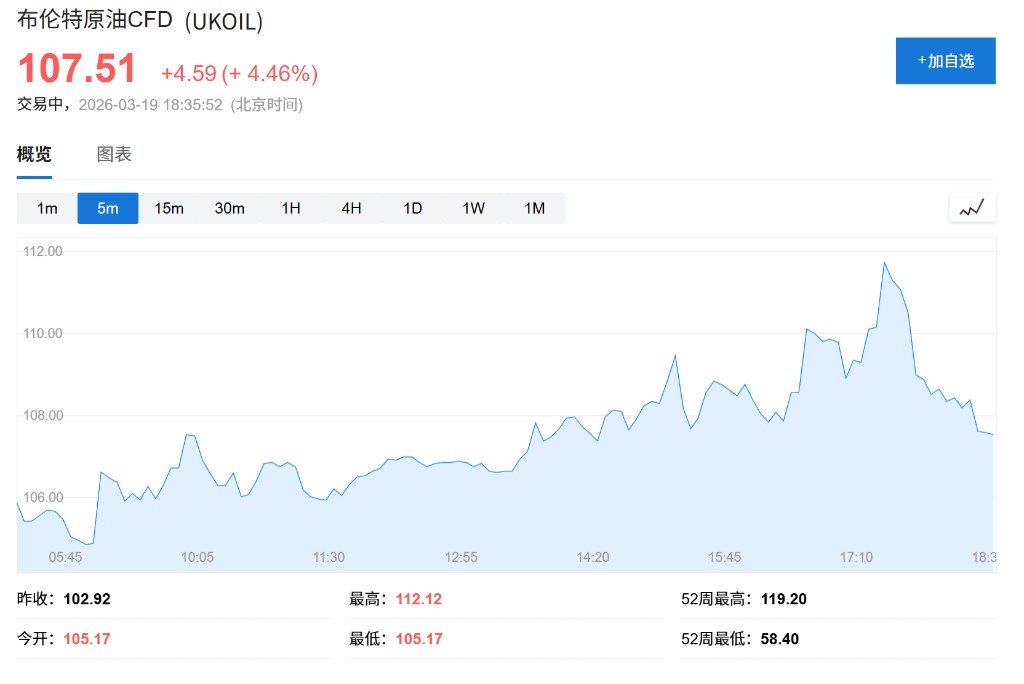
Market impacts are accelerating. Kpler oil market analyst Muyu Xu warned the market that this blockade is "the most severe event ever impacting oil flows, with actual oil disappearing from the global market, potentially leading to demand destruction in the coming weeks."
Limitations of Escort: Risks Can Be Reduced, Safety Is Hard to Ensure
As the head of the organization that sets international shipping rules, Dominguez's statement reveals the fundamental limitations of the escort plan. In his interview with the Financial Times, he pointed out that while naval escorts can reduce risk exposure to some extent, they cannot provide reliable safety guarantees for transiting oil tankers—merchant ships and seafarers will still be exposed to real threats.
The IMO also expressed deep concern about the current situation of merchant ships stranded in the Persian Gulf. The crews on these vessels are facing food and supply shortages, and the root causes of this crisis have nothing to do with the shipping industry itself. Dominguez described the current plight of the shipping industry as "collateral damage."
Geographical Dilemma: The Iranian Coastline Poses a Deadly Threat
Deploying warships into this narrow waterway faces extremely severe tactical challenges. Bryan Clark pointed out in a media interview that the core issue lies in the dense deployment of drones and missile launch systems along the Iranian coast. "From the coastline to the transit channel is only 3 to 4 miles, once the launch device appears, the missile will arrive in just a few minutes," Clark said, "Dealing with these drone and missile launch devices that are in close proximity to the Iranian coastline will be the biggest challenge."
This geographical reality means that the defensive response window is extremely limited, and any escort fleet will operate under the multiple threats of drones, sea mines, and coastal ballistic missiles, with a very high risk factor.
Allies Absent: Difficulty in Forming an Escort Alliance
The Trump administration's plan to reopen the Strait of Hormuz is currently facing significant resistance at the ally level. Reports indicate that Germany, Spain, and Italy have no plans to send warships to the waterway in the near future. The Trump administration has publicly expressed dissatisfaction with allies' unwillingness to assist in reopening the strait, putting pressure on some long-term alliances.
The Strait of Hormuz is currently facing a dual threat from sea mines laid by the Islamic Revolutionary Guard Corps (IRGC) and kamikaze drones, with the situation remaining tense. Without the formation of a multilateral escort alliance, the feasibility of advancing this plan solely through U.S. military power is facing severe skepticism.
The Most Severe Oil Flow Disruption in History, Energy Shock Accelerates
Since the outbreak of the U.S.-Iran conflict three weeks ago, tanker transit activities in the Strait of Hormuz have nearly come to a halt. Data shows that the current daily transit oil volume is only about 400,000 barrels, a drop of over 97% from the pre-blockade average of about 14 million barrels per day.
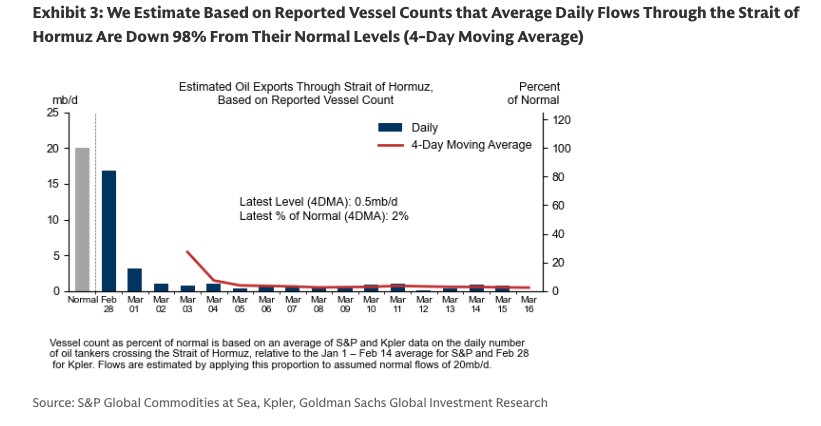
Kpler analyst Muyu Xu characterized this blockade as "the most severe event impacting oil flow in history," and warned that as actual crude oil continues to disappear from the global market, the demand destruction effect may manifest in the coming weeks. The Asian market is under pressure first, with oil prices approaching $150 per barrel; in the U.S., a diesel price of $5 per gallon has already become a reality.
If the conflict cannot be resolved in the short term, market participants are concerned about whether this round of energy shock could further evolve into a global financial market event. The road to returning the Strait of Hormuz to its normal state before the blockade still appears full of uncertainties
