


To protect cash flow, Oracle implements "self-owned chips" for cloud services, transferring the high infrastructure costs of AI

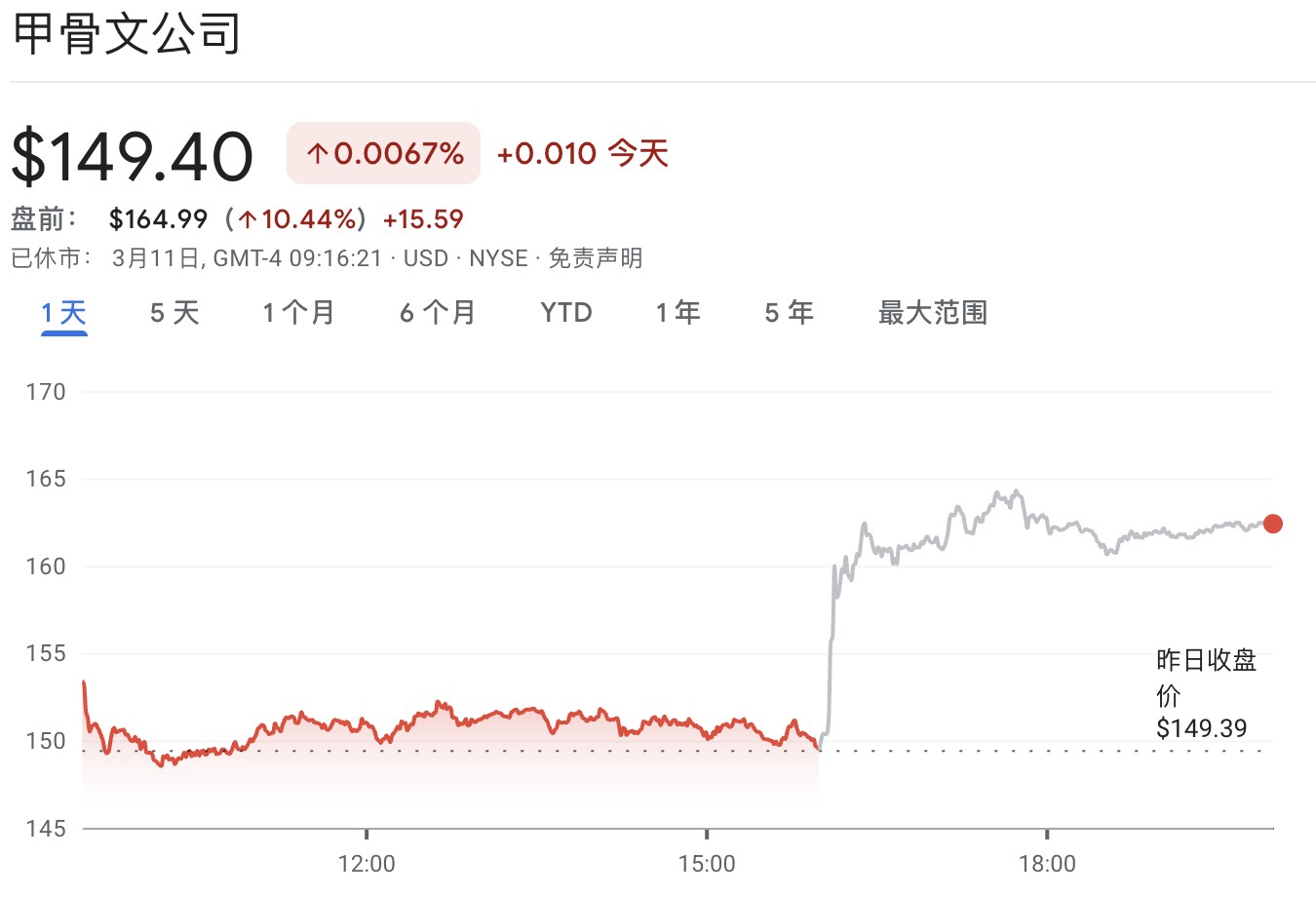
In the face of the financial pressure brought by massive capital expenditures, Oracle has required some cloud service customers to bear the expensive procurement costs of AI chips themselves or to directly bring their own chips to connect to its data centers. This move allows it to fulfill new order deliveries while avoiding further deterioration of cash flow. Oracle's stock price surged 10% in pre-market trading, reflecting a reassessment of the market's view on its management's ability to respond
Oracle is addressing the funding pressure of AI infrastructure in an unconventional way, shifting the cost of the most expensive AI chips to some cloud customers to alleviate the cash flow that will remain under pressure for the next few years, while continuing to advance large-scale data center expansion.
In the face of expected negative free cash flow pressure in the coming years, Oracle disclosed during its earnings call on Tuesday that some cloud service customers will be required to bear the high procurement costs of AI chips themselves or directly bring their own chips to connect to its data centers.
Co-CEO Clay Magouyrk stated, this move allows Oracle to fulfill new orders while avoiding further deterioration of cash flow. After the earnings report was released, Oracle's stock price rose more than 10% in after-hours trading, having previously dropped over half since its peak in September last year.
This model breaks the traditional business logic of the cloud computing industry, primarily due to the need to build large-scale data centers to serve major clients like OpenAI. The company has been forced to raise hundreds of billions of dollars through stock issuance and massive debt, while also pushing for significant layoffs.
"Self-provided chips": Disrupting the traditional pricing model of cloud services
Under the traditional cloud computing model, service providers are responsible for building data centers, filling servers, and related hardware, gradually recovering costs and achieving profitability by charging customers multi-year rental fees.
Oracle's new model reverses this logic: "multiple" customers will prepay for high-priced AI chip costs or provide their own chips, while Oracle will be responsible for operating these infrastructures.
In AI data center construction, chips (mainly from NVIDIA) are usually the highest single expenditure. Shifting this part to the client side means that Oracle does not need to make large capital expenditures when taking on new orders, thereby directly alleviating cash flow pressure.
Clay Magouyrk described this as an arrangement already implemented for "multiple" customers, rather than a single pilot.
Cash flow crisis, multi-pronged fundraising for self-rescue
Oracle's current financial pressure has directly led to the above strategy. Dragged down by large-scale data center construction, the company's cash flow is expected to remain negative for the next few years. To address this, Oracle has raised hundreds of billions of dollars through both equity and debt financing.
RBC Capital Markets analyst Rishi Jaluria stated in an interview with Bloomberg TV:
"They have many tools at their disposal—you've already seen them complete equity financing amid external doubts about their willingness to finance. I think they are committed to this path."
The latest earnings report also provided some support, as the increase in sales growth has changed Wall Street's view of Oracle.
Layoffs to cut costs: AI cost reduction and efficiency improvement as a "fig leaf"
In addition to passing on chip costs, Oracle is also taking a more traditional cost-cutting approach: large-scale layoffs. According to previous reports from Bloomberg, Oracle is planning to lay off thousands of employees, with this year's severance provisions at the highest level in recent years.
In its earnings report statement, Oracle characterized this round of layoffs as a restructuring of its product development team, citing that advancements in AI-assisted programming tools allow for a reduction in team size.
This statement is strikingly similar to the logic used by Block, under Jack Dorsey, when it cut about 40% of its workforce last month. Whether the market will respond to Oracle's statement with the same level of skepticism remains to be seen.
Signal Significance: Financial Stress Test Under the AI Arms Race
Oracle's move reflects a common dilemma faced by the entire tech industry regarding investments in AI infrastructure, namely how to balance large-scale capital expenditures with financial sustainability.
Whether the "self-contained chip" model will be emulated by other cloud service providers may become a variable worth continuous observation in this AI arms race.
For investors, the post-market surge to a certain extent reflects a reassessment of Oracle's management's ability to respond. However, when cash flow can turn positive remains the core issue hanging over Oracle
