The largest IPO in history is coming! Will the market accept SpaceX's valuation of $1.75 trillion?

SpaceX plans to go public with a valuation of up to $1.75 trillion, raising $50 billion, which is expected to become the largest IPO in history. Supporting its valuation is the cash flow dominance of Starlink and government contracts, but the full stock acquisition of xAI before the IPO has raised market concerns: xAI burns about $1 billion per month for AI infrastructure, and investors worry that this business will dilute SpaceX's profitability. Musk intends to adopt a dual-class share structure to retain control. Whether the market will accept this high valuation remains to be seen
SpaceX is preparing for an IPO that could rewrite the history of capital markets, but the controversy surrounding its valuation rationality and business integration logic has become the biggest uncertainty of this IPO.
On March 10, according to a previous article by Wall Street Insight, SpaceX plans to raise up to $50 billion through the IPO, targeting a valuation of over $1.75 trillion. If successful, this IPO fundraising scale will break the record of $29.4 billion set by Saudi Aramco in 2019, becoming the largest IPO in history. The aerospace company owned by Musk may officially enter the public market as early as June this year.
However, SpaceX's full stock acquisition of xAI on the eve of the IPO has made some investors uneasy. xAI burns about $1 billion a month for AI infrastructure development, and this cash consumption is diluting SpaceX's core business, especially the attractiveness of its satellite internet service Starlink to investors. Whether public market investors are willing to pay for this valuation remains uncertain.
Confidential Filing Expected in March, Listing as Early as June
According to Bloomberg, SpaceX has selected several major Wall Street banks to assist in the preparation of its initial public offering (IPO) filing, including preparing the necessary financial disclosure documents to be submitted to the U.S. Securities and Exchange Commission (SEC). According to the plan, the company may submit a confidential filing in March, which will officially initiate the SEC's review process, typically lasting two to three months.
Once the review is completed, SpaceX will publicly submit its prospectus, at which point its financial data will be fully presented to the public for the first time. After entering the public filing phase, a 15-day public comment period will begin. After the comment period ends, the company will officially start its roadshow, promoting the stock to institutional investors and determining the price range for the offering. The stock will officially begin trading the day after the final pricing is completed.
In terms of underwriting arrangements, Bank of America, Citigroup, Goldman Sachs, JP Morgan, and Morgan Stanley have confirmed their participation in this issuance, but the specific roles of each institution have not yet been clarified.
Starlink is the Core Support of Valuation Logic
SpaceX's fundraising needs for the IPO are rooted in its vast commercial expansion plans. According to Bloomberg, the company stated in an internal memo last December that the funds raised from the IPO will be specifically used for the continued development of the Starship rocket, the construction of space AI data centers, and the advancement of lunar base projects.
The core asset supporting its high valuation expectations is Starlink. This global satellite broadband service is currently SpaceX's main source of cash flow, and its continuous user growth, absolute dominance in the commercial rocket launch market, and the construction of direct mobile network connections together form a unique business combination in the public market. Pitchbook analysts pointed out:
"Starlink's user growth, launch market dominance, and direct mobile network construction, this combination finds no comparable objects in the public market."
In addition, SpaceX's leadership in the commercial space sector, billions of dollars in government contract revenue, and deep connections with industries such as defense and telecommunications will become the core narrative logic for Musk when pitching to IPO investors.
xAI Acquisition: Opportunity or Burden?
Completing the acquisition of xAI before the IPO is the most controversial variable in this listing. xAI's monthly cash burn of about $1 billion is primarily used to cover the costs of the computational infrastructure needed for AI model training, which means that investors who were originally optimistic about SpaceX's space business suddenly face exposure to a high-risk AI sector.
Critics argue that if SpaceX is seen as a loosely structured conglomerate, its valuation may fall short of the company's expectations.
Musk himself characterizes this business combination as a "vertically integrated innovation engine," believing that the synergy between rockets, space internet, AI, and social media will particularly help advance the commercial opportunity of space data centers.
Musk May Retain Absolute Control
Before the completion of the xAI acquisition, Musk held less than half of SpaceX's shares, with external investors including Founders Fund under Peter Thiel, Fidelity Investments, and Alphabet. The exact shareholding ratio of Musk after the xAI deal is unclear.
According to Bloomberg, SpaceX is considering adopting a dual-class share structure, allowing insiders—possibly including Musk—to maintain near-absolute control over key strategic and corporate governance decisions after the IPO. For investors who are optimistic about SpaceX's potential and Musk's past record, this arrangement may not pose an obstacle; however, if the company encounters issues, this structure will significantly limit the influence of external shareholders.
Musk's "Personal Brand" Effect
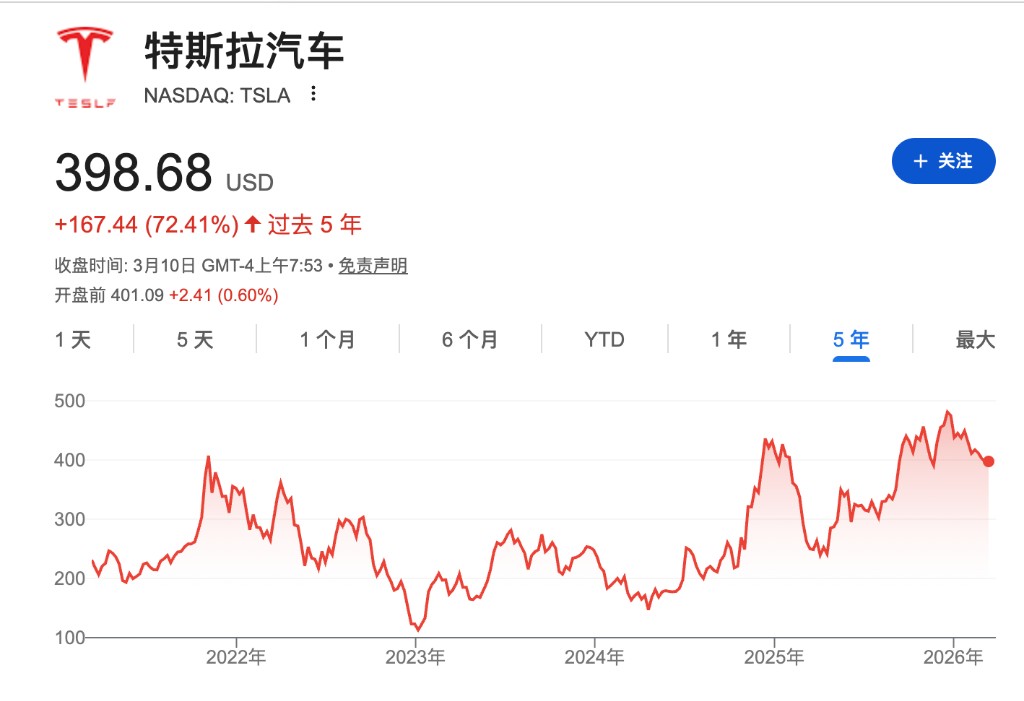
In persuading investors to accept a high valuation, Musk's personal reputation itself is also a trump card. Tesla's stock price has increased by about 3000% over the past decade, benefiting a large number of investors. For some potential IPO investors, this performance record may be the strongest endorsement.
At the same time, SpaceX's IPO will also provide ordinary investors with an opportunity to participate. Users of retail trading platforms like Robinhood and SoFi are expected to subscribe directly through the platform, but for popular IPOs, the allocation shares available to retail investors are usually very limited.