


Novo Nordisk will significantly reduce the price of its weight loss drug in the U.S. next year, with a maximum reduction of 50%
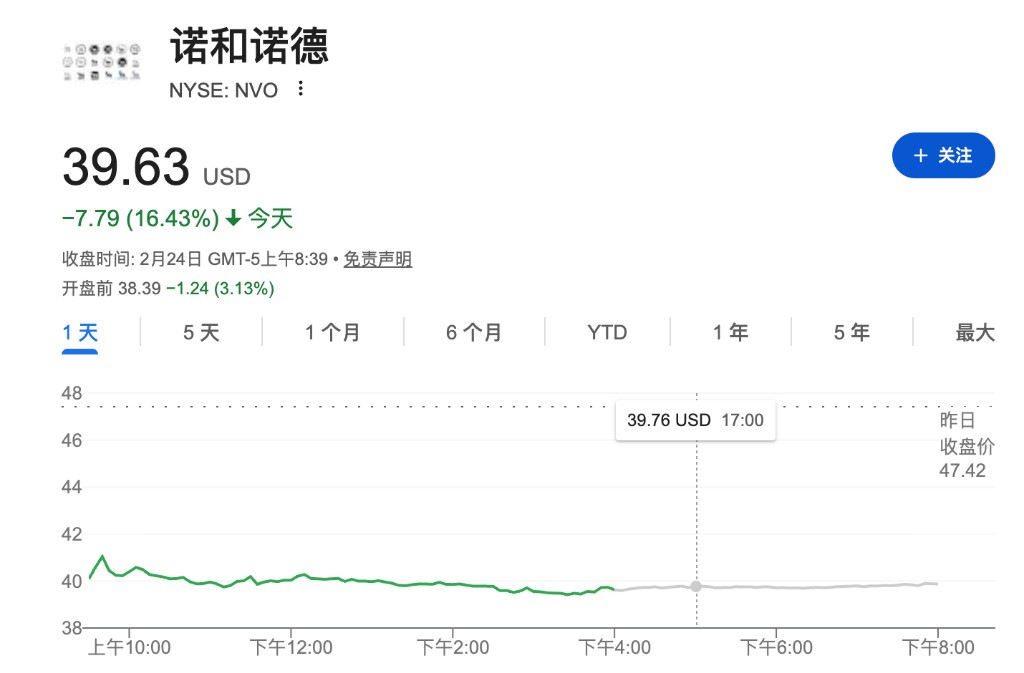
Novo Nordisk announced that it will unify the monthly price of the semaglutide series of drugs in the United States to $675, a reduction of up to 50%, effective January next year, aimed at addressing competition and market pressure from Eli Lilly. Following the announcement, U.S. stocks fell 3% in pre-market trading, having already dropped 19% this week due to poor new drug data. The price reduction mainly benefits insured individuals with high deductible plans and is unrelated to negotiated discounts with Medicare
Novo Nordisk announced a significant reduction in the prices of its star weight loss drugs Wegovy and Ozempic in the U.S. market, with the monthly price of the semaglutide series of drugs unified at $675, a reduction of up to 50%. The new pricing will take effect on January 1 next year. This move marks a major shift in the Danish pharmaceutical company's competitive strategy in the obesity market.
Following the announcement, Novo Nordisk's U.S. stock fell 3% in pre-market trading, while Eli Lilly's stock briefly dropped over 4%. Notably, Novo Nordisk just released another set of disappointing trial data for its next-generation drug CagriSema on Monday, leading to a cumulative stock decline of about 19%. The price reduction decision comes against this backdrop, further intensifying market concerns.
This price cut is Novo Nordisk's proactive response after losing its leading position in the obesity market. Eli Lilly's competing product Zepbound is currently priced at $1,086.37 per month, and with Novo Nordisk's unified pricing at $675, it creates a significant price advantage.
Jamey Millar, head of Novo Nordisk's U.S. operations, stated, this price reduction will not have a direct impact on the company's net sales, but he is optimistic about gaining payer recognition. Millar previously worked at Optum Rx, a pharmacy benefit management organization under UnitedHealth Group, and is well-versed in U.S. drug pricing strategies. He said:
“Payers have previously called for lower drug prices, and I am confident they will accept and welcome these lower prices.”
Patients with High Deductible Plans Benefit the Most
This price reduction targets wholesale procurement costs, and this price is the public price, not reflecting the complex discount and rebate system in the U.S. Under commercial insurance coverage, patients' out-of-pocket costs for Zepbound and Wegovy can currently be as low as $25 per month.
Jamey Millar pointed out that this price reduction will have the most significant impact on individuals enrolled in high deductible insurance plans. In such plans, patients' out-of-pocket costs are more closely related to drug prices. Additionally, individuals enrolled in plans with coinsurance design (where patients only pay a certain percentage of the listed price) will also benefit.
According to the Kaiser Family Foundation (KFF) Employer Health Benefits Survey, about one-third of employees covered by employer insurance joined high deductible health plans paired with personal health savings accounts last year. However, among surveyed large companies, the proportion covering GLP-1 weight loss drugs like Wegovy is less than half.
This price adjustment will take effect simultaneously with the discounts obtained from negotiations with the U.S. government regarding Medicare. Millar emphasized that the two price reduction measures are independent and unrelated
