Novo Nordisk UBT251 shows impressive phase II clinical data in China, with a weight loss effect of nearly 20%

Novo Nordisk's authorized drug UBT251 shows impressive Phase II clinical data in China: a maximum weight loss of 19.7% after 24 weeks of treatment (only 2% for the placebo), and the company stated it is "very encouraged." However, affected by negative news regarding Cagrisema, the stock price still fell over 4%. Novo Nordisk has paid a $200 million upfront payment, with the total deal potentially reaching $2 billion, aimed at finding new growth points in the weight loss drug market
Novo Nordisk's experimental weight loss drug UBT251 has achieved significant weight loss results in its Phase II clinical trial in China, providing strong support for the company to seek new growth engines in the competitive weight loss drug market.
According to a report from Novo Nordisk's Chinese partner, United Pharmaceutical, patients with obesity and overweight in China experienced a maximum weight loss of 19.7% after 24 weeks of taking the drug, while patients taking a placebo averaged only a 2% weight loss.
Martin Holst Lange, head of research and development at Novo Nordisk, stated in a press release that the company is "very encouraged" by the data from this trial in China. Based on this positive interim result, United Pharmaceutical will initiate a Phase III clinical trial in China, while Novo Nordisk plans to announce the topline data from its ongoing global early trials in 2027.
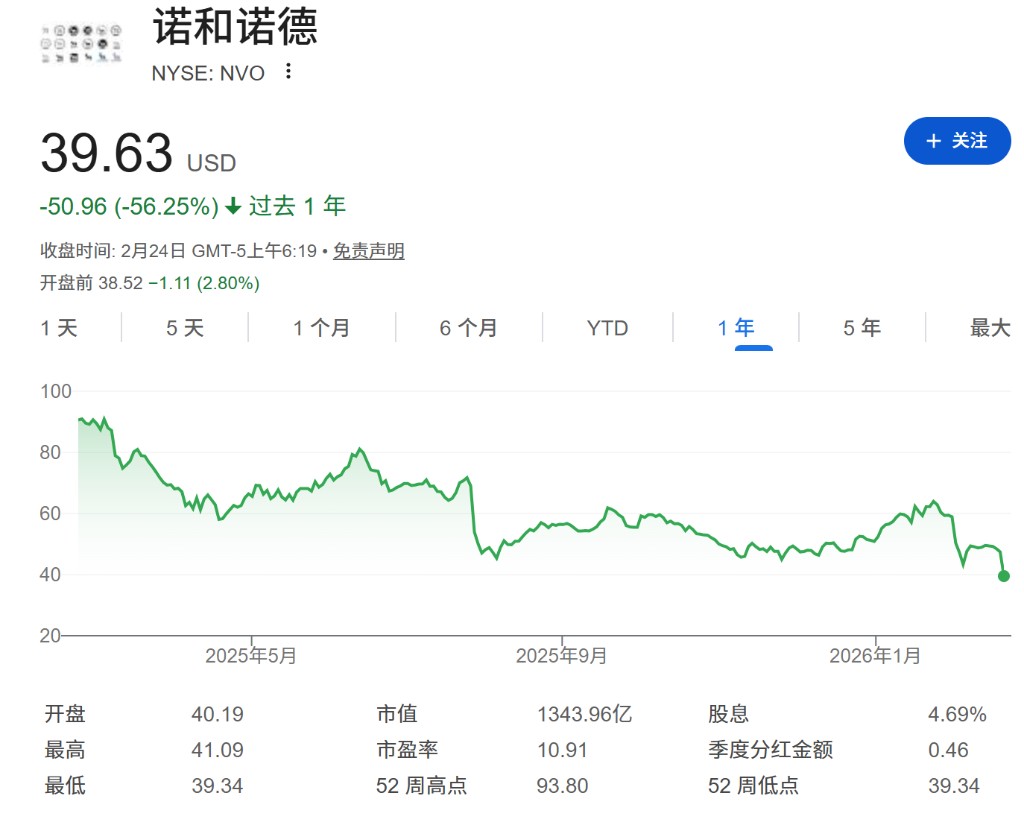
Despite the impressive data from the new drug, Novo Nordisk's recent performance in the capital market remains under pressure. On Tuesday, affected by negative news regarding its next-generation weight loss drug Cagrisema and multiple analysts downgrading their ratings, Novo Nordisk's stock price fell by as much as 4.4% during trading. Over the past year, the company's stock price has cumulatively dropped by more than 60%.
Triple Agonist Shows Higher Potential
The clinical data released reveals the potential of multi-target drugs in the weight loss field. A total of 205 patients participated in this Phase II trial, who were randomly assigned to receive doses of 2mg, 4mg, or 6mg of the drug or a placebo. The current trial results are based on the estimated adherence of all patients to the medication as planned, and specific details on whether any patients discontinued treatment have not yet been provided.
UBT251 is a triple agonist that can simultaneously mimic three hormones involved in metabolism: GLP-1, GIP, and glucagon. This multi-faceted mechanism of action means it may have stronger efficacy than Novo Nordisk's current blockbuster weight loss drug Wegovy, which only targets GLP-1.
Billion-Dollar Deal with Heavy Investment
This promising drug is an important external investment by Novo Nordisk to maintain its dominant position in the obesity market. Last year, the Danish pharmaceutical company paid a $200 million upfront fee to obtain the development rights for UBT251 outside of China.
As the clinical process advances and potential commercialization materializes, the total value of this licensing deal could reach up to $2 billion. Against the backdrop of investors calling for the company to adjust its strategy and respond to the latest R&D setbacks, the progress of UBT251 is expected to boost market confidence in Novo Nordisk's pipeline for future efforts