Gold plummets: How to view the future?

Wallstreetcn
2026.02.03 01:53
portai
I'm PortAI, I can summarize articles.

The recent sharp decline in gold prices is mainly due to a normal adjustment following previous overvaluation, high financial leverage, and crowded trading. The long-term bullish trend remains unchanged. In the short term, irrational overvaluation has led to increased profit-taking demand, resulting in a sharp correction. In the medium term, attention should be paid to layout opportunities arising from overselling, and gold prices are expected to gradually stabilize. In the long term, the reconstruction of the global monetary system and the space for central bank gold purchases will continue to support the gold market. Silver has a short-term supply shortage, but stable long-term supply, and the gold-silver ratio is expected to rise in the long term

Investment Highlights

The significant decline in gold prices this round is mainly a normal adjustment under the conditions of previous irrational overvaluation, high financial leverage, and crowded trading, and does not change the long-term bullish pattern of gold. In the medium to long term, attention can still be paid to opportunities for gold positioning.

1) Short-term: Why the sharp decline? The main reason is not the Federal Reserve.

First, we believe that the primary reason for the sharp decline in precious metals comes from the previous irrational overvaluation. In this situation, the accumulation of profit-taking demand means that even small marginal disturbances can lead to severe correction pressure. Secondly, the retail leverage accumulated during the irrational rise has become a volatility amplifier. The "Wash Trade" is merely one of the triggers for the shift in sentiment towards precious metals, not the main reason.

2) Medium-term: Focus on opportunities brought by overselling

The previous rise in gold was mainly concentrated in the Asian and American trading sessions. In this round of decline, gold prices have already shown significant adjustments in the U.S. and Asian markets, while prices have stabilized somewhat during the European trading session. As the deleveraging process across various exchanges comes to an end, gold prices are expected to gradually stabilize. Overall, the medium to long-term trend for gold has not ended, and it is recommended to pay attention to the opportunities for gold positioning brought by overselling.

Silver is scarce in the short term, but not in the long term. Silver faces significant short-term pressure, and its short-term supply is scarce, making it a "speculative" tool for gold: when gold rises, silver rises more; when gold falls, silver falls more. However, in the long term, silver supply is not so scarce, so the silver-to-copper ratio will remain stable in the long run, while the gold-to-silver ratio will rise in the long term.

3) Long-term: Gold prices still have support.

The significant decline in precious metal prices this round is a technical adjustment to the irrational rise since the beginning of the year, rather than the end of the long-term bull market for gold. In the short term, the cooling of previously overheated speculative sentiment and the decrease in financial leverage levels will help gold return to a healthier and more robust upward trend. In the long term, as trust levels decline in various countries, the world is still undergoing a continuous reconstruction of the monetary system, and central bank gold purchases still have considerable room, meaning the long-term trend for gold will continue.

1 Short-term: Why the sharp decline? The main reason is not the Federal Reserve

Since 2026, gold, silver, and other precious metals have experienced a "roller coaster" market with rapid rises and falls. As of February 2, London gold has fallen from a peak of nearly $5,600/ounce to around $4,500/ounce, a decline of nearly 20%. London silver has plummeted from $121/ounce to below $80/ounce, with a drop of nearly 40%. The magnitude and speed of this round of precious metal price adjustments are historically rare. In addition, metals such as copper, nickel, and aluminum have also shown significant declines.

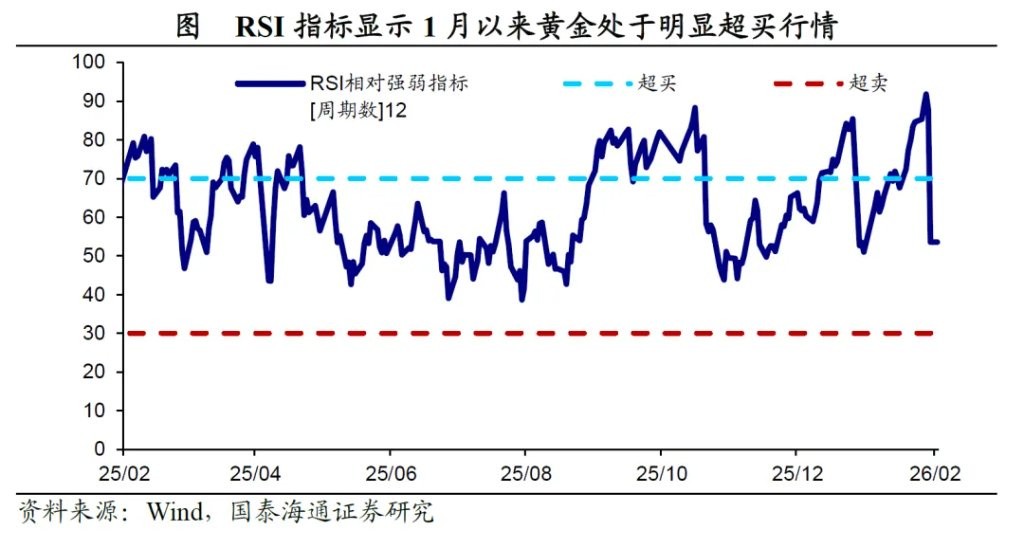
Why have gold and silver fallen sharply? First, we believe that the primary reason for the sharp decline comes from the previous irrational overvaluation. Since the beginning of the year, events such as Trump's claim to buy Greenland, the escalation of the situation in Iran, and the renewed risk of a U.S. government shutdown have catalyzed a widening gap in U.S. dollar credit, reinforcing gold's safe-haven and monetary attributes. In just one month at the start of 2026, gold has accumulated nearly a 25% increase, while silver rose nearly 70% in January From the perspective of the RSI indicator, gold has been in a clearly overbought state amid the rapid price increase since January. In this context, the accumulation of profit-taking demand means that even small marginal disturbances can lead to severe pullback pressure.

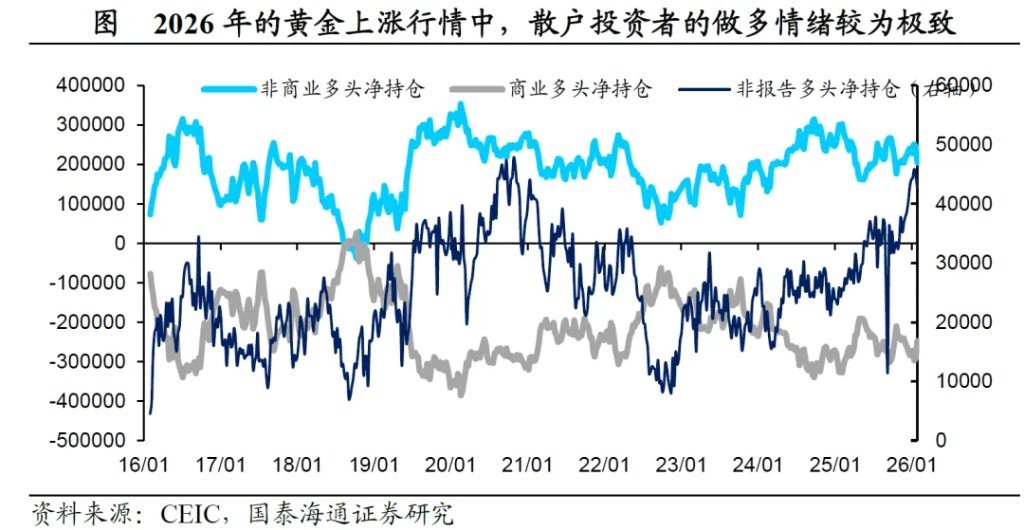
Secondly, the retail leverage accumulated during the irrational rise has become a volatility amplifier. Since January, individual investors have shown a strong willingness to leverage, with non-reporting long net positions in gold reaching historical highs. In contrast, institutional investors have been relatively restrained in their bullish sentiment in the derivatives market. Compared to institutional investors, individual investors often exhibit high leverage, low tolerance, and homogeneous behavior. Therefore, when faced with the dual pressure of significant price declines and continuous margin increases by exchanges, it is easy to trigger a "long squeeze" spiral among leveraged funds, leading to a large amount of passive liquidation and accelerating the deleveraging process.

The "Wosh Trade" is just one of the triggers for the shift in sentiment towards precious metals, not the main reason. In fact, although Wosh's tapering proposal gives it a stronger hawkish tone, the liquidity state in the U.S. interbank market has shifted to a slightly tight condition, making it difficult for Wosh to promote tapering in the short term; it is more likely to adopt a rate cut policy first. Recently, the decline in the 10-year U.S. Treasury yield also reflects that the bond market has not reacted to Wosh's more hawkish monetary policy.

In the context of previous overpricing and overheated leverage, precious metals reacted more violently to Wosh's election and the marginal cooling of geopolitical risks. The risk-off sentiment and liquidity shock caused by the significant decline in precious metals have also, to some extent, infected other asset markets, bringing about widespread downward adjustment pressure.

2 Mid-term: Focus on Opportunities from Overselling

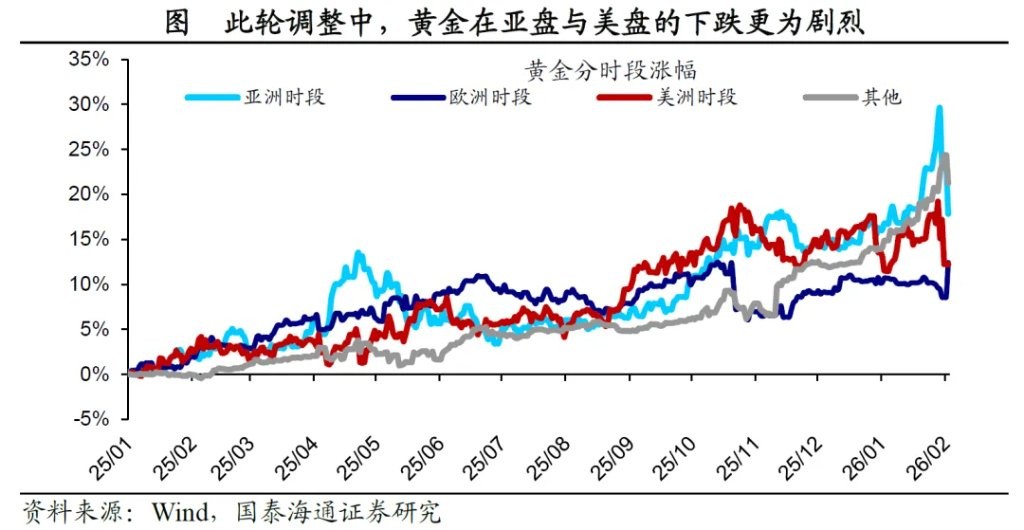
From a time-segmented perspective, the rise in gold since January has mainly concentrated in the Asian and American trading sessions. Affected by the major exchanges raising precious metals margin requirements, there was a brief pullback in the American session at the beginning of January, followed by a return to an upward channel. The upward momentum of gold in the Asian session has been relatively steady, showing accelerated growth after January 18. In contrast, gold's performance during the European trading session has been relatively flat.

In this round of adjustment, as of February 2, there has been a significant adjustment in the Asian and American trading sessions, almost erasing the gains made during the previous accelerated rise. The European session has begun to stabilize and rebound. As the deleveraging process at various exchanges comes to an end, gold prices are expected to stabilize and stop falling. Overall, the medium to long-term trend for gold has not ended, and it is recommended to pay attention to the opportunities for gold positioning arising from overselling.

Silver is scarce in the short term but not in the long term. Silver faces significant short-term pressure, and its short-term supply is scarce, making it a tool for "speculating" on gold: when gold rises, silver rises even more; When gold falls, silver falls even more. In the long term, silver supply is not that scarce, so the silver-to-copper ratio will remain stable in the long run, while the gold-to-silver ratio will rise over time.

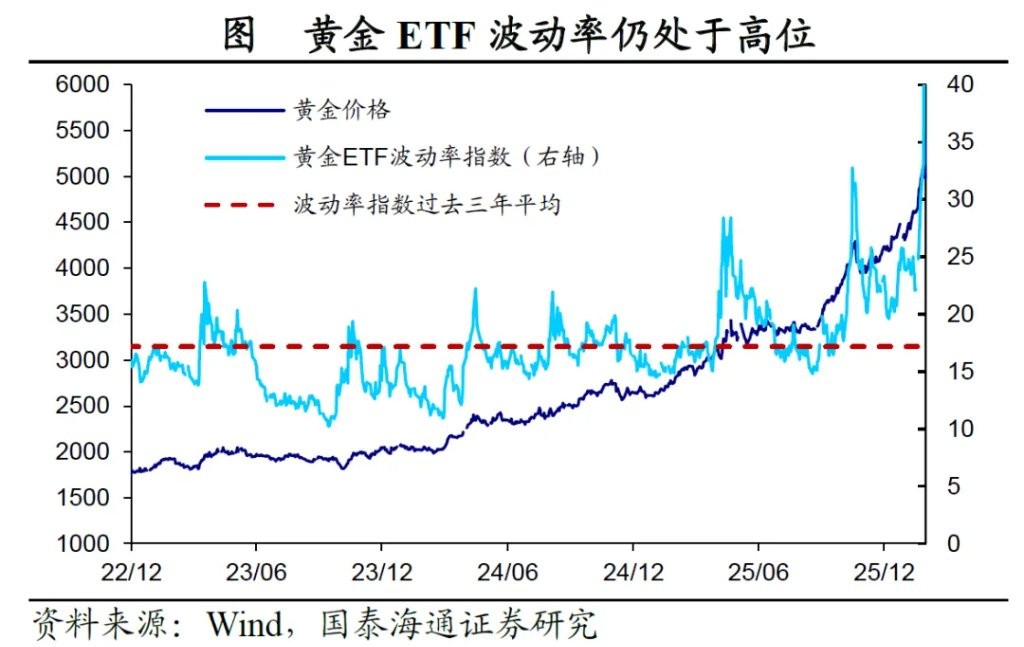
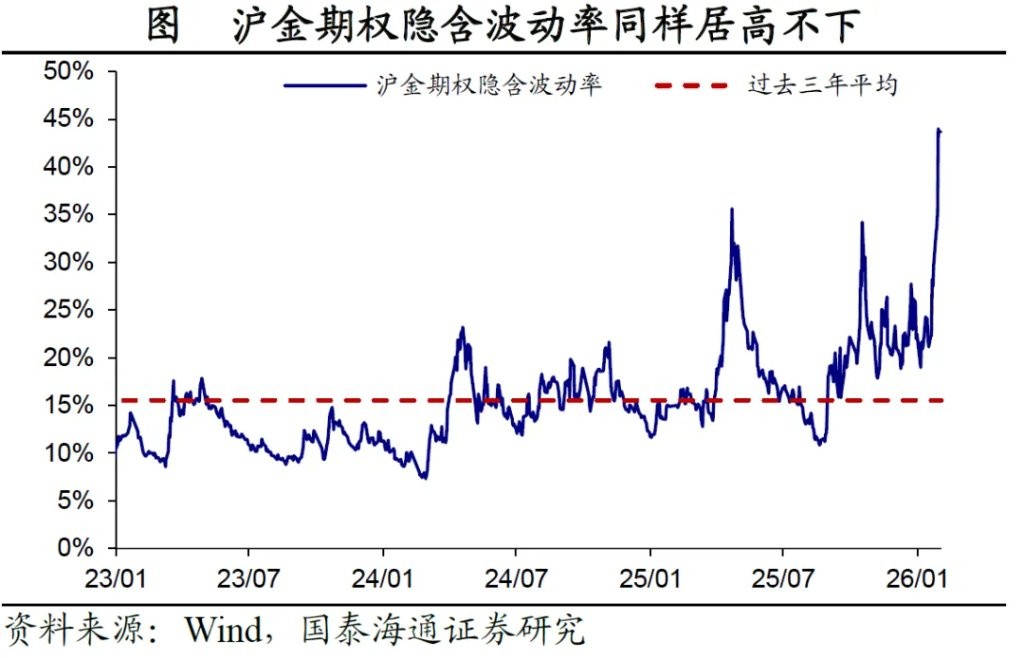
However, the current implied volatility of gold remains at a high level, and gold prices may continue to experience high volatility in the short term.

3 Long-term: Gold Market Still Has Support

We believe that the significant decline in precious metal prices this time is a technical adjustment to the irrational rise since the beginning of the year, rather than the end of a long-term bull market for gold. In the short term, the cooling of previously overheated speculative sentiment and the decrease in funding leverage levels will help gold return to a healthier and more robust upward trend.

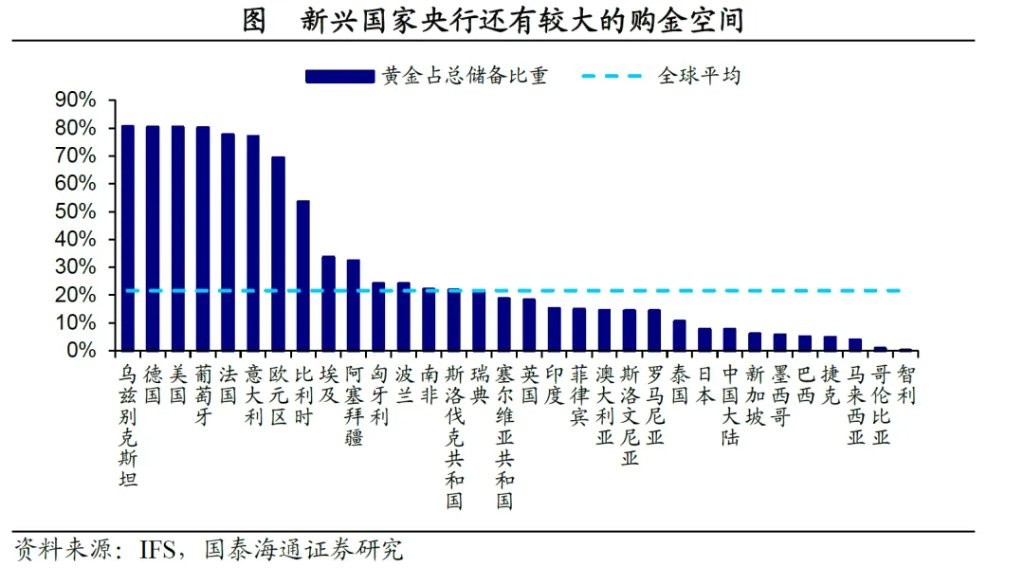
In the long term, the pattern of a gold bull market still exists, and significant short-term declines often provide good opportunities for accumulation. Currently, global geopolitical risks remain, and the fiscal unsustainability pressures on major economies are increasing. Concerns about the credibility of the US dollar have not dissipated, and the world will continue to experience a restructuring of the monetary system under the declining foundation of trust. Currently, the gold reserves of central banks in emerging economies are still low, and central bank purchases of gold will continue to be a long-term trend, with the logic for gold's medium- to long-term rise remaining solid.

Risk Warning and Disclaimer

The market has risks, and investment requires caution. This article does not constitute personal investment advice and does not take into account the specific investment goals, financial conditions, or needs of individual users. Users should consider whether any opinions, views, or conclusions in this article align with their specific circumstances. Investment based on this is at their own risk.