


BlackRock sells U.S. and U.K. government bonds due to concerns about inflation rebound

BlackRock warns that the market underestimates inflation risks in the US and UK, believing that stubborn prices will hinder central banks from cutting interest rates. The institution has increased its short positions in long-term US and UK bonds, pointing out that current bond yields are too low and fail to match the inflation outlook. Wage pressures in the UK and the uncertainty of Federal Reserve policies create a dangerous divergence between rate cut expectations and reality, making it difficult for the recent strong performance in the bond market to be sustained
BlackRock warns that the market is currently underestimating the risks of persistent inflation in the United States and the United Kingdom. The global asset management giant believes that stubbornly high prices will hinder the pace of interest rate cuts by central banks, and the current bond yield levels do not match the inflation risks.
According to media reports on the 23rd, Tom Becker, co-fund manager of the $4.1 billion BlackRock Tactical Opportunities Fund, stated that the fund has been selling U.S. and U.K. government bonds since the end of last year. Due to expectations that inflation pressures are unlikely to subside, Becker has also increased short positions on long-term U.S. Treasuries and U.K. government bonds.
This investment strategy is contrary to the prevailing expectations in the current market. Traders are currently pricing in that the Federal Reserve and the Bank of England will cut rates by about 50 basis points each before the end of this year. Becker's positions indicate that he is confident inflation will remain high, which will directly hinder the central banks' easing policy path.
In an interview with the media, Becker pointed out that given the turbulent outlook for inflation to fall back to 2%, the performance of bonds over the past few months has been too strong. He bluntly stated:
"The yield levels on government bonds are a bit too low."
The Game Between Rate Cut Expectations and Inflation Reality
The current market consensus is based on the expectation that prices will eventually fall, thereby clearing the way for rate cuts. In addition to pricing in about 50 basis points of easing by the central banks, political factors have also influenced market sentiment. The market speculates that Donald Trump may appoint a new Federal Reserve chair with a more dovish policy inclination than Powell, further fueling investor bets on further rate cuts.
However, Becker's short-selling actions highlight the divergence between institutional investors and mainstream market views, suggesting that the market may be overly optimistic about the path of declining inflation.
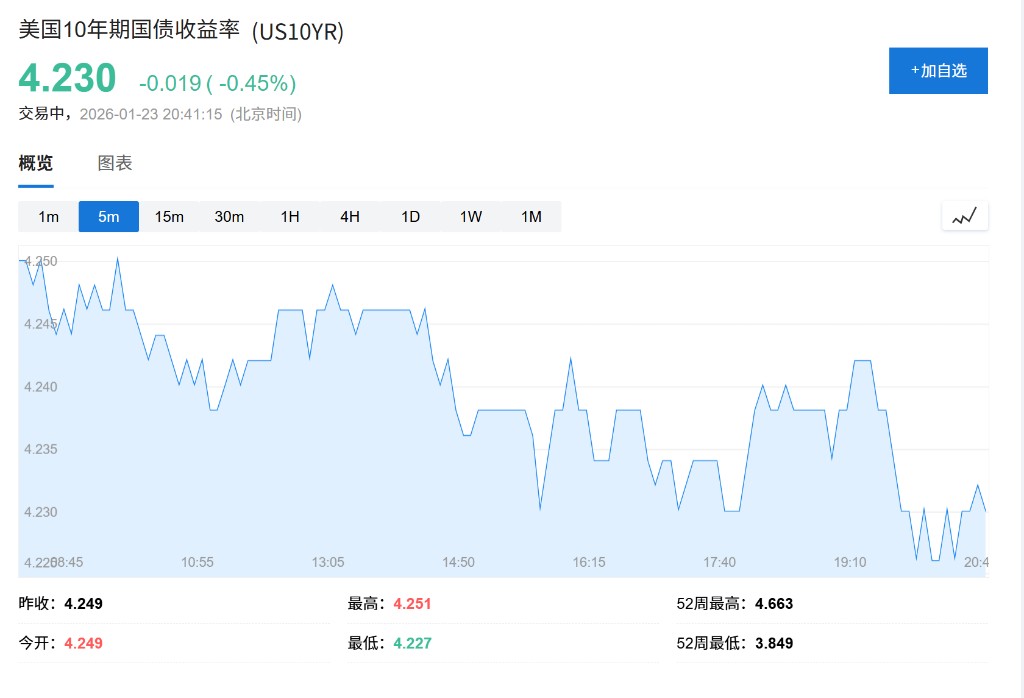
From market data, the yield on 10-year U.S. Treasuries is currently at 4.2%. Although this figure has slightly rebounded from the one-year low set last October, it remains well below the 4.8% high reached in January of last year. At that time, concerns that Trump's tariff policies could trigger inflation had pushed yields higher. Becker believes that under the current inflation outlook, the existing yield levels do not offer sufficient attractiveness.
Wage Pressures in the U.K. Hinder Inflation Decline
In the U.K. market, since the government announced its budget last November, U.K. government bond yields have significantly declined, with current trading prices approaching their lowest point in over a year. Becker warned that investors are overlooking a key fundamental factor, namely that wage levels in the U.K. are too high, making it difficult to bring inflation back to the Bank of England's target of 2%.
"The inflation challenges in the U.K. may not be over as recently suggested by the rebound," Becker added, implying that the market's optimism about the U.K. bond market may be premature
