


The father of Node.js officially announces: the era of humans writing code is really over!

The father of Node.js, Ryan Dahl, announced on Twitter that the era of humans manually writing code has come to an end, and AI programming will become extremely cheap. Emad Mostaque, founder of Stability AI, predicts that within the next two years, the cost of top-tier AI programming experiences will drop from $200 per month to less than $1. He pointed out that generating high-quality code with AI requires a significant amount of thinking Tokens, with a ratio of 100 to 1000 to 1, meaning that over 99% of the computing power used by AI in code generation is devoted to the thinking process
The father of Node.js, Ryan Dahl, tweeted today, directly shaking up the programmer community:
The era of humans manually writing code is over!
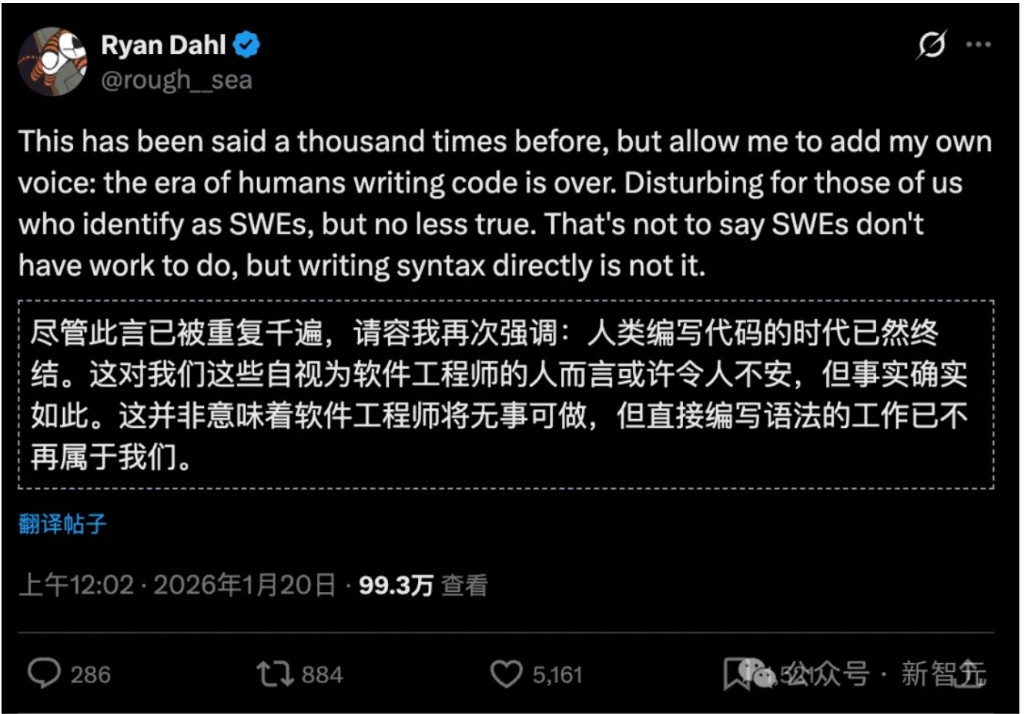
This post garnered nearly 1 million views. Big names in the industry left comments in agreement.
And AI writing code will become so cheap, you can't even imagine!
In two years, the top-tier AI programming experience that currently costs $200 a month will drop to less than $1!
This is not a wild guess, but a judgment just made by Emad Mostaque, the founder of Stability AI.
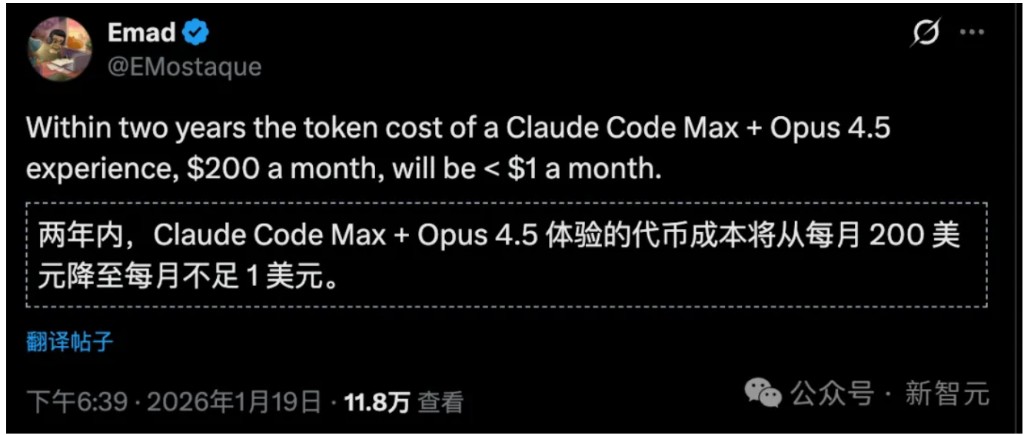
His logic is: "Thinking Tokens are about to crash."
A revolution in AI programming is approaching.
1000:1, the astonishing cost of AI programming "thinking"
How much does it cost to have AI write a line of production-level code?
The answer may exceed your imagination.
Let's clarify the definitions first:
Thinking Tokens: Refers to the reasoning process that AI undergoes before outputting the final answer.
Code Tokens: Refers to the actual code that is ultimately written.
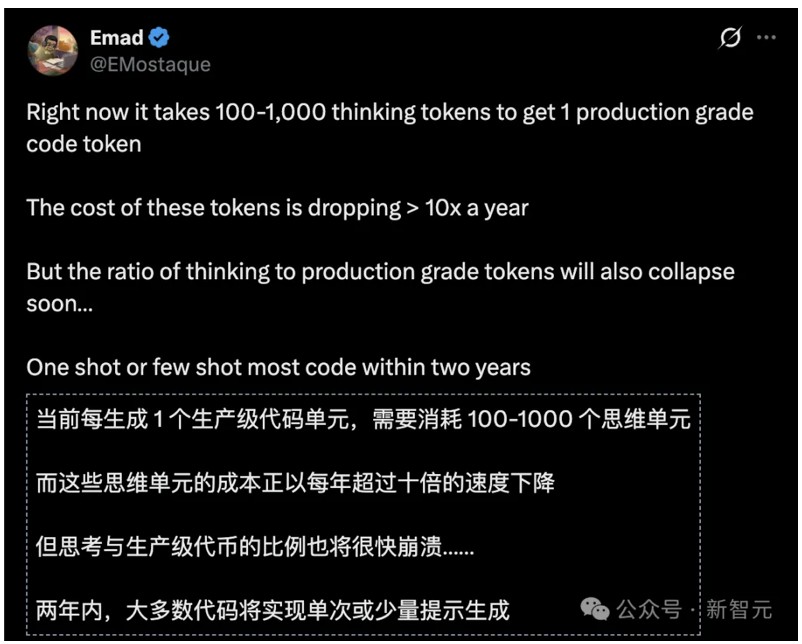
Emad Mostaque provided a number: 100 to 1000 to 1.
In other words, for AI to write 1 high-quality "Code Token," it needs to consume 100 to 1000 "Thinking Tokens."
What does this number mean?
When AI is helping you write code, over 99% of the computing power is spent on "thinking."
You might think AI is a genius that writes code in a second, but in reality, it may have thought thousands of times in the background before daring to give you an answer.
This is why, even though AI programming tools like Claude Code and Cursor are already so powerful, they still require massive amounts of computing power and expensive subscription costs behind the scenes—
Because this "expensive thinking" is the real cost driver.
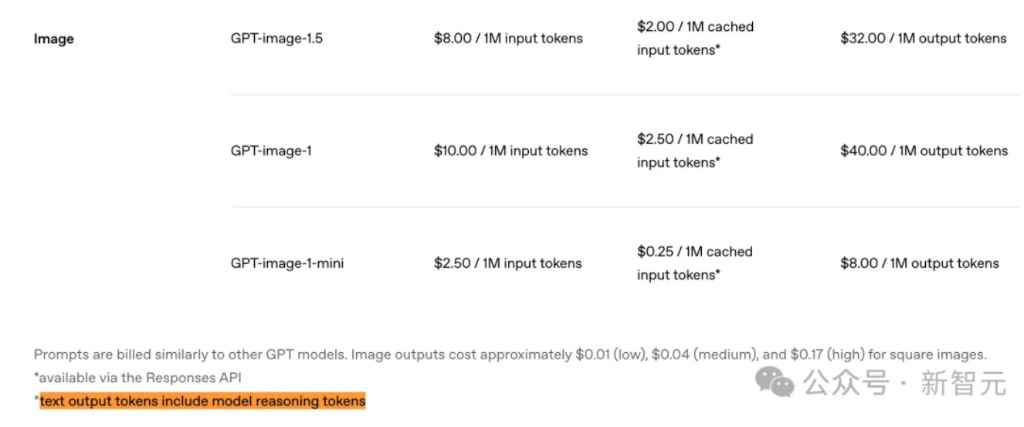
According to OpenAI's official documentation, while the "Thinking Tokens" of the reasoning model are an internal processing step and won't be shown to users, they will be charged based on output Tokens In other words, all of the above are the user's usage costs.
 Research also shows that "bad smells" in code significantly increase token consumption.
This means that if your programming taste is poor and your prompts are poorly written, under the same requirements, others will consume far less than your AI programming consumption.
AI Programming Costs are Plummeting at a 10-Fold Rate
But the good news is that this cost of thinking and reasoning is decreasing at a rate of over 10 times per year.
Emad Mostaque predicts that as computing costs decrease and algorithms are optimized, this "expensive thinking" is becoming extremely cheap.
Even more explosive is his next judgment: this "1000:1" ratio will soon completely collapse.
Within two years, the vast majority of code will no longer require AI to undergo a lengthy reasoning process, but will be able to generate directly and accurately through One-shot or Few-shot prompts.
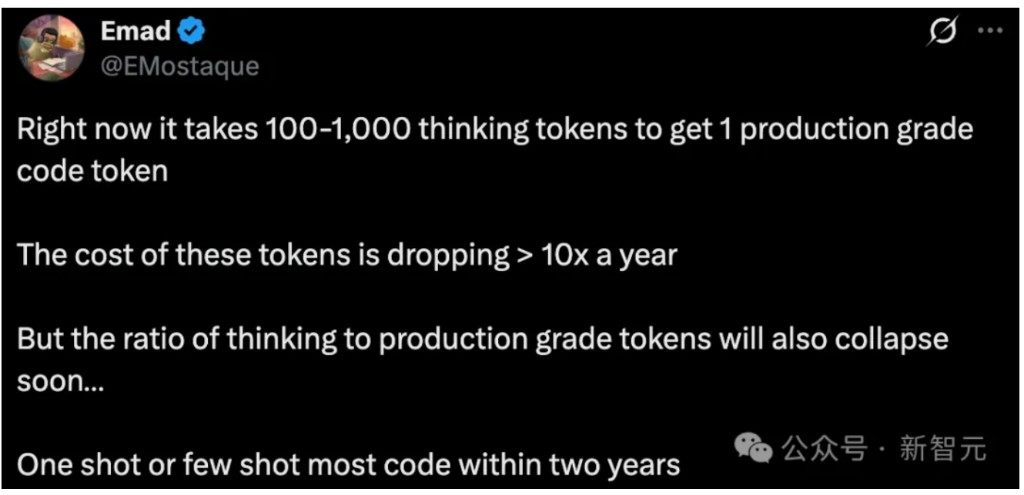
In other words, AI programming will evolve from "thinking type" to "reflective type," meaning AI will not need to think and will directly provide answers. (Very similar to the experience from Gemini 3 Pro to Gemini 3 Flash)
This means that the price of AI programming is about to plummet. Emad Mostaque directly predicts:
The top-tier programming AI experience currently valued at $200 per month (such as Claude Code + Opus 4.5), will drop to less than $1 per month in two years.
From $200 to $1, a 200-fold drop.
AI programming is about to enter the "penny era."
Data support: According to research by Epoch AI, the median decline rate of AI reasoning costs is 50 times per year, and after January 2024, the fastest decline rate could even reach 900 times per year!
Taking the performance level of GPT-3.5 as an example, from November 2022 to October 2024, costs have already decreased by over 280 times.
Analysis from a16z also points out that this decline rate far exceeds the historical growth rates of Moore's Law and network bandwidth.
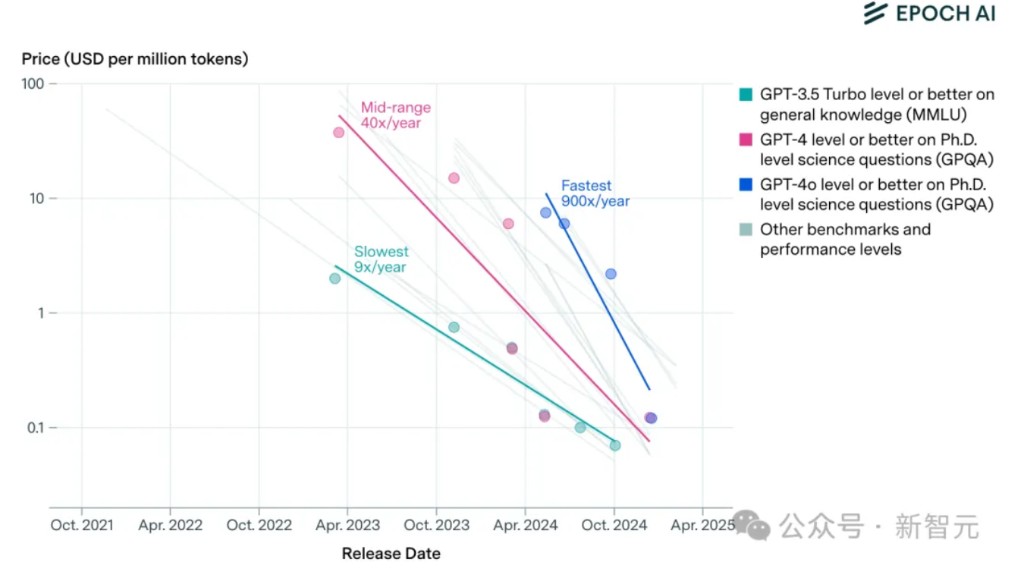
"Thinking Tokens are About to Crash"
As soon as the news broke, netizens exploded.
Some joked: "Thinking Tokens are about to be rug pulled (crash)!"
 This meme from the crypto circle hints at a harsh reality:
Models that rely on extensive reasoning to obtain results will soon be replaced by more efficient technologies.
Some programmers also showcased their results using AI, lamenting the terrifying speed of efficiency improvement.
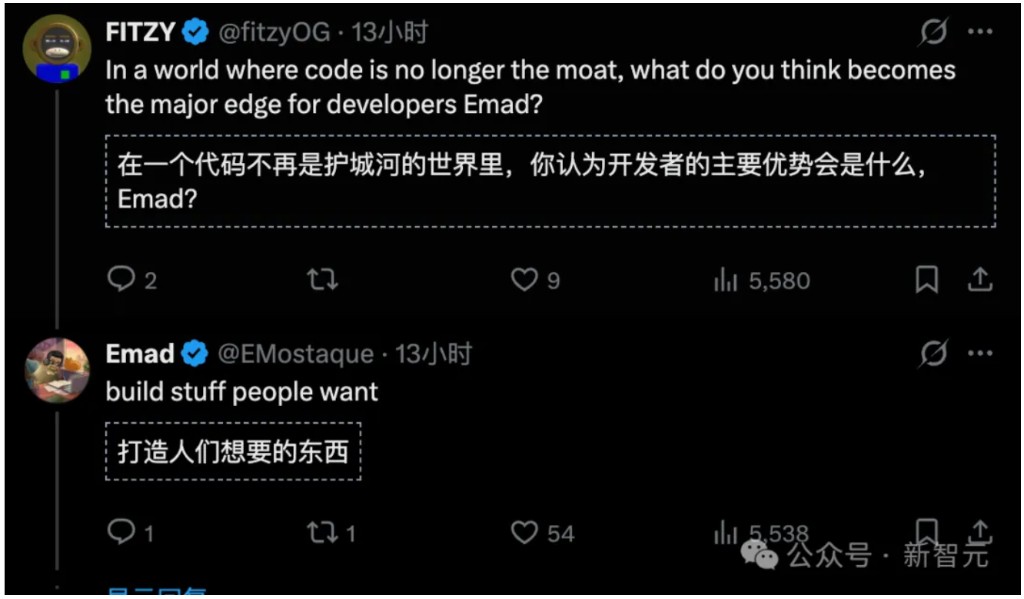
Even more people began to worry: If the cost of AI programming drops to a penny level, what is the value of programmers?
When everyone can write code, where is the advantage for developers?
Emad's answer: Create what people truly need.
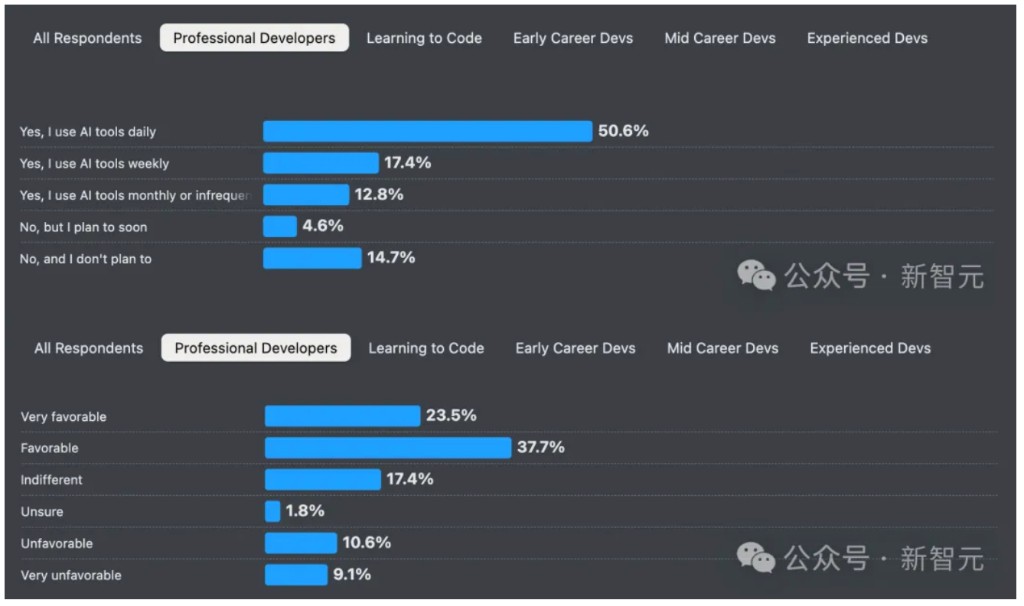
Data support: According to experimental research from GitHub Copilot, developers using AI programming tools completed tasks 55% faster; Amazon Code Whisperer users reported an average task completion speed increase of 57%.
The Stack Overflow 2025 Developer Survey shows that 84% of developers are using or planning to use AI tools, with 51% of professional developers using them daily.
Epoch AI 2025 Impact Report AI Capabilities are Accelerating
The accelerated evolution of AI capabilities is not just being stated by Emad Mostaque alone.
One of the world's most authoritative AI research institutions, Epoch AI, provided more hard data in its recently released 2025 Impact Report.
First, the cost of AI inference is rapidly decreasing.
The analysis of inference price efficiency in Epoch AI's Data Insights shows that the cost of AI inference is being optimized at an astonishing rate. 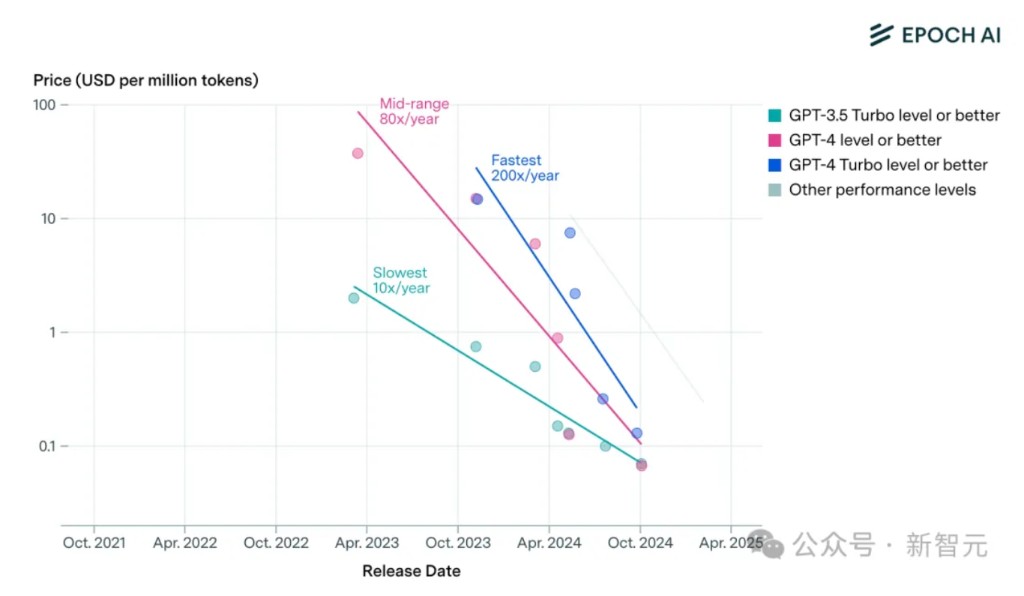 This aligns perfectly with Emad Mostaque's judgment
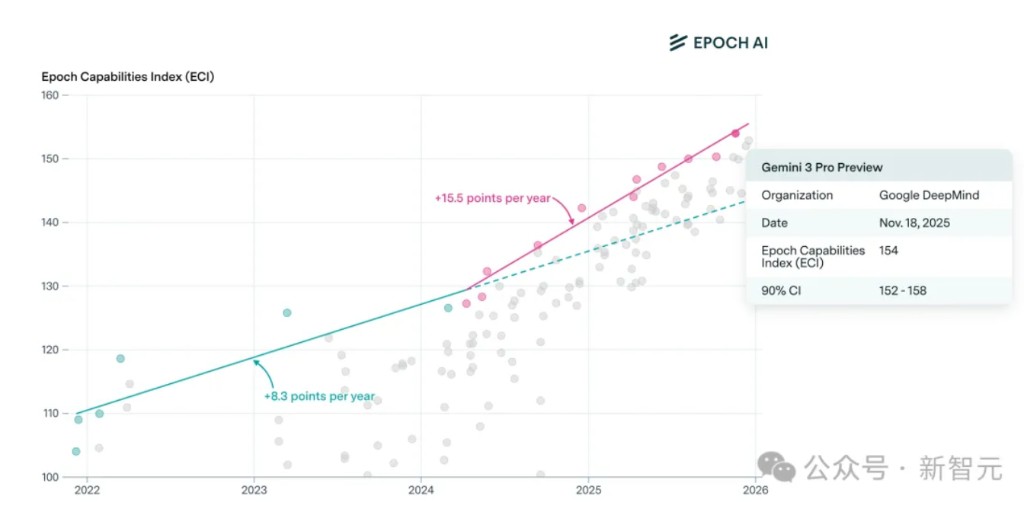
Secondly, the turning point for accelerated AI capabilities may have already emerged.
This aligns perfectly with Emad Mostaque's judgment
Secondly, the turning point for accelerated AI capabilities may have already emerged.
Epoch AI has launched the "Epoch Capability Index" (ECI), a composite indicator that integrates dozens of benchmark tests.
Through the ECI, they identified that AI capabilities may experience an acceleration around April 2024.
The next acceleration point is about to appear, such as the upcoming DeepSeek-V4 and the latest models from OpenAI and Google in 2026.
 Thirdly, long-range software development capabilities are being tested.
Epoch AI is collaborating with METR to develop long-range software development benchmark tests aimed at assessing the ability of AI systems to complete full software projects, not just fixing bugs or optimizing code.
These signals all point in the same direction: the explosion of AI capabilities may come faster than we imagine.
Data support: Epoch AI's authority, with active users on its website reaching 987,000 (a year-on-year increase of 4.3 times), cited by 107 well-known media and reports (a year-on-year increase of 2 times), and providing data and consulting services to top institutions including OpenAI, Google DeepMind, and the U.S. Congress.
AI inference is becoming "dirt cheap"
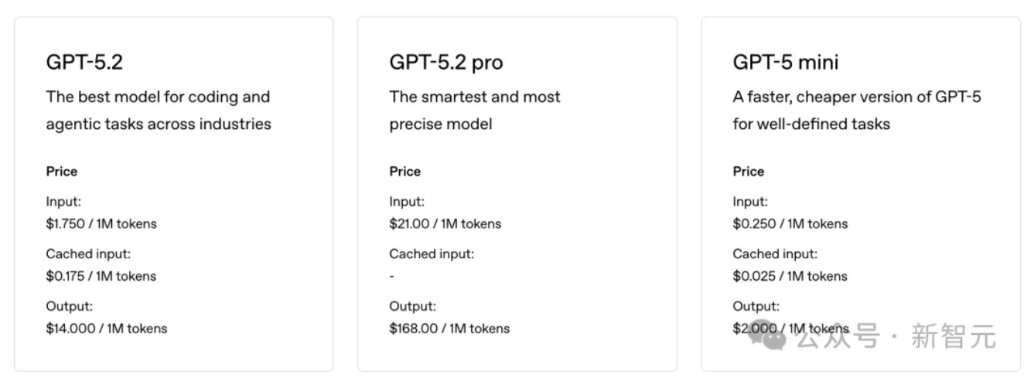
Currently, the inference cost of top AI models ranges from a few dollars to tens of dollars per million tokens.
API costs for the GPT-5.2 series:
API costs for the Claude series:
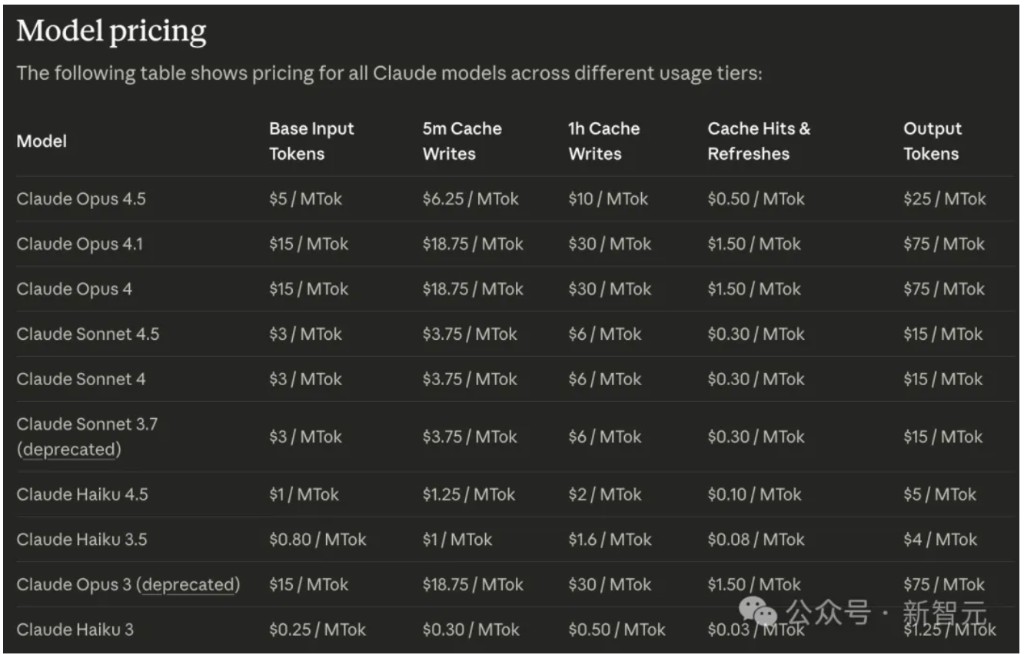
API costs for the Gemini 3 series:
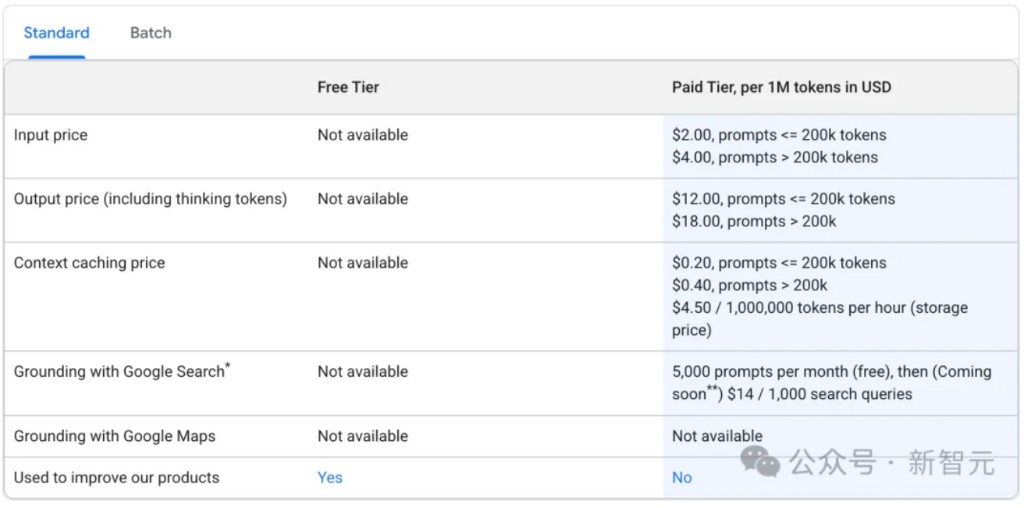
However, with technological iterations, this price is plummeting.
In 2024, the inference prices from major AI service providers will range from $0.0003 to $0.015 per thousand tokens varying.
By the end of 2025, OpenAI has reduced the inference cost to less than $1 per million tokens The Claude 4.5 series has achieved a 67% cost reduction compared to the previous generation—Haiku 4.5 only requires $1 input / $5 output per million tokens.
The Future of Programmers: From "Writing Code" to "Directing AI"
What changes will occur in the profession of programming when the cost of AI programming drops low enough?
It is foreseeable that the value of "writing code" itself will significantly decrease.
However, the ability to "understand requirements," "design architecture," and "direct AI" will become increasingly valuable.
Future programmers may resemble "commanders" of AI programming—you will no longer need to write every line of code by hand, but you will need to know how to make AI write correctly.
This shift presents both opportunities and challenges for many programmers.
According to McKinsey's research, developers using generative AI tools can double their task completion speed.
However, there exists an "AI productivity paradox," where developers feel their efficiency has improved by 20-24%, but in certain controlled experiments, the actual completion time for senior developers has increased by 19%.
This indicates that AI tools need to be paired with the correct workflows and thought processes to truly realize their value.
At the same time, junior developers experience the most significant productivity gains from AI tools.
The Year of Programming Equality
Essentially, the judgments of Emad Mostaque and Ryan Dahl point to the same conclusion: the democratization of programming.
From OpenAI to Anthropic, from Cursor to Claude Code, the Silicon Valley tech circle has almost reached a consensus: 2026 will be the year of programming equality.
As the cost of tokens approaches zero and code generation becomes "reflexive," programming skills will no longer be the exclusive domain of a few.
Everyone can become a "programmer"—as long as you can describe the requirements.
What does this mean?
The threshold for software development is about to be completely flattened.
The key to winning in the next phase may not be who writes the most beautiful code, but rather who can turn "AI programming" into their core competitive advantage the earliest.
A brand new "programming era" is on the horizon.
Risk Warning and Disclaimer
The market has risks, and investment requires caution. This article does not constitute personal investment advice and does not take into account the specific investment goals, financial situation, or needs of individual users. Users should consider whether any opinions, views, or conclusions in this article align with their specific circumstances. Investment based on this is at your own risk.
