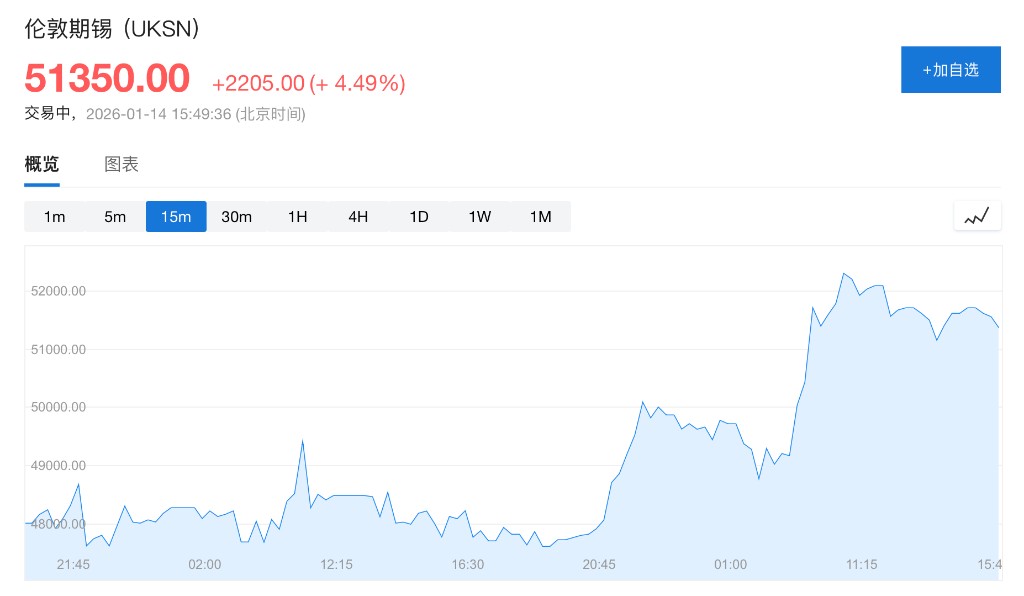
Waiting for the tariff ruling, U.S. stock index futures all fell, Japanese stocks continued to hit new highs, bonds and currencies were under pressure, metals surged, spot silver broke above $90 for the first time, and tin and copper reached new highs

U.S. inflation data did not further boost market expectations for interest rate cuts, and U.S. stock index futures fell collectively. The market is paying attention to Trump's tariff decisions and the upcoming fourth-quarter earnings reports. The "high market trading" continues, with the Nikkei 225 hitting a new high for the second consecutive day, while the yen and Japanese government bonds are under pressure. Geopolitical tensions and the criminal progress of Powell have supported safe-haven sentiment, bolstering precious metal prices, with spot silver first surpassing the $90 mark, and industrial metals performing strongly, with tin and copper reaching new highs
U.S. inflation data did not further boost market expectations for interest rate cuts, as the market awaits corporate earnings data, with the Japanese market remaining the focus and the metals sector leading commodity gains.
On January 14, U.S. stock index futures collectively fell, European stock indices mostly rose at the open, and Asian stock indices all increased, with the Nikkei 225 hitting a new high for the second consecutive day. U.S. Treasury yields rose, while Japanese bonds were under pressure. The dollar remained largely flat, and the yen approached the 160 mark against the dollar. The commodity market showed divergence, with metals like gold, silver, tin, and copper rising, while crude oil declined. Cryptocurrencies rose, with Bitcoin climbing to a two-month high.
The market is closely watching the U.S. Supreme Court's potential ruling on Trump's global tariff policy, as well as the upcoming concentrated release of fourth-quarter earnings from U.S. companies. Hironori Akizawa, a fund manager at Tokio Marine Asset Management, stated:
If the ruling is illegal, tariffs may not be immediately revoked, and other measures may be taken. Even if tariffs are revoked, the world will not return to the way it was before.
Core market movements are as follows:
Dow Jones futures fell 0.23%, S&P 500 futures fell 0.2%, and Nasdaq 100 futures fell 0.18%.
The Euro Stoxx 50 index rose 0.16%, the UK FTSE 100 index fell 0.03%, the French CAC 40 index rose 0.31%, and the German DAX 30 index rose 0.13%.
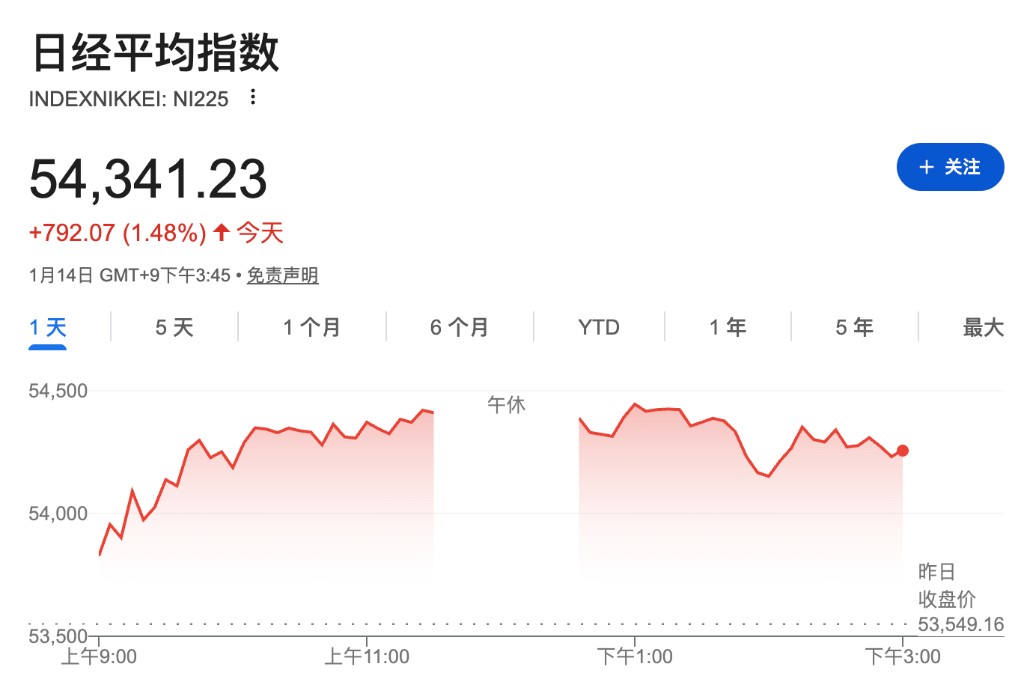
The Nikkei 225 index closed up 1.5% at 54,341.23 points, hitting a new high for the second consecutive day; the Tokyo Stock Exchange index closed up 1.3% at 3,644.16 points; the Seoul Composite Index closed up 0.6% at 4,723.10 points.
The yield on the 10-year U.S. Treasury bond decreased by 2 basis points to 4.16%; the yield on the 30-year Japanese government bond rose by 3.5 basis points to 3.515%.
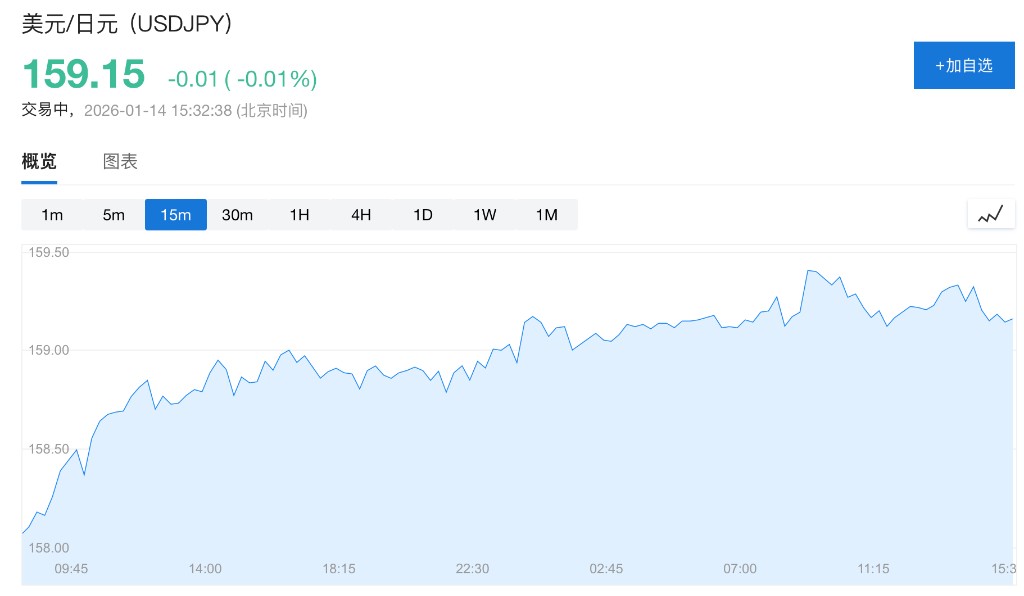
The dollar remained largely flat; the yen fluctuated around 159 against the dollar.
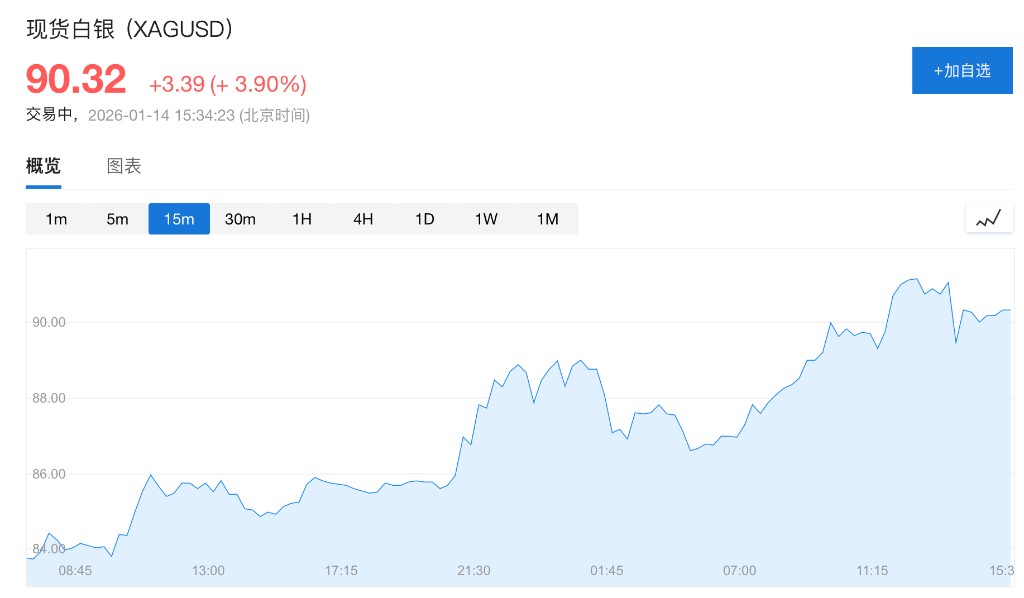
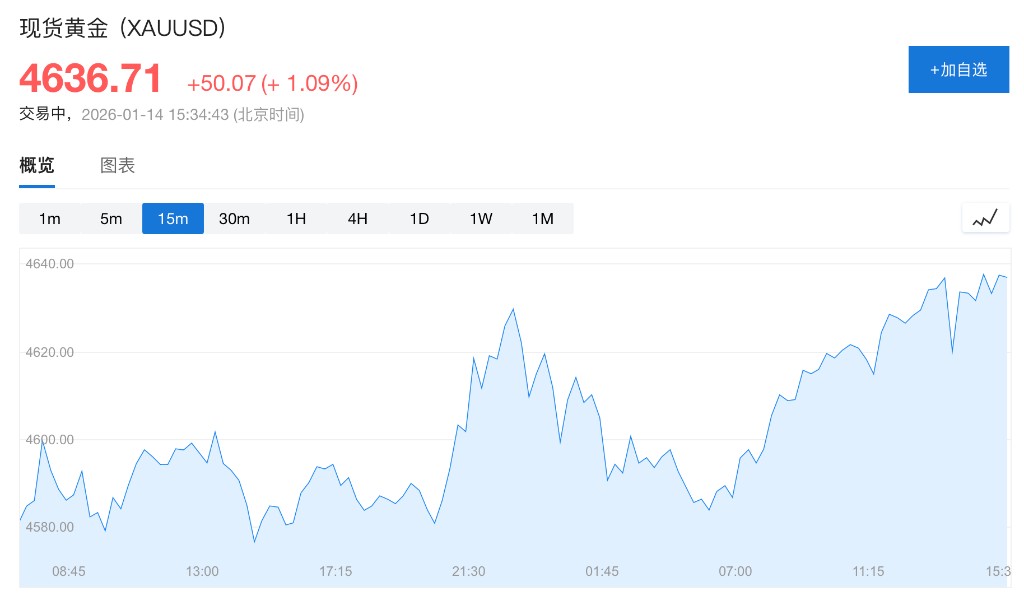
Spot gold rose 1% to $4,632.93 per ounce; spot silver surpassed $91 per ounce, rising 4.7% during the day; LME copper prices hit a record high.
Bitcoin rose 0.9% to $94,898.64; Ethereum prices rose 3.8% to $3,331.21.
U.S. stock index futures collectively fell. Overnight, the three major U.S. indices closed lower. Although core inflation has cooled, it has not changed the Federal Reserve's key pricing, and the interest rate market still bets on the next rate cut occurring in June this year.

The news that Kishi Nobuo plans to hold early elections boosted the Japanese stock market and hit Japanese bonds and the yen. The market speculates that an early election could allow Kishi Nobuo, who currently has a high approval rating, to win more parliamentary seats, thereby promoting his government to implement larger-scale fiscal stimulus policies.
The Nikkei 225 index continued its strong upward trend from the previous trading day, hitting a new high; the demand attracted by Japan's 5-year government bond auction was weaker than the 12-month average, with the yield on that maturity rising to the highest level since the issuance of that maturity bond in 2000; The yen remains near its lowest level since July 2024, and its continued weakness may force the central bank to take faster action to raise interest rates.
The head of the MLIV Asia team believes:
The USD/JPY exchange rate is expected to break 160 and continue to rise. Reports indicate that Prime Minister Kishi Sanae plans to hold early elections, which was the initial driving factor. Now, the Federal Reserve's more hawkish stance on U.S. interest rates, along with rising oil prices triggered by Iran, has posed a triple blow to the Japanese currency.
U.S. core inflation being lower than expected briefly boosted market expectations for an early rate cut by the Federal Reserve, while geopolitical factors in Venezuela, Greenland, and Iran also increased safe-haven demand, collectively driving up precious metal prices.
Spot silver has reached $90 per ounce for the first time in history, rising nearly 4% during the day, with ongoing physical supply shortages also being a factor in pushing prices higher. Spot gold also rose further, increasing over 1% to $4,637 per ounce.
Citigroup analysts this week raised their price forecasts for gold and silver over the next three months to $5,000 and $100 per ounce, respectively.
Expectations for a rate cut by the Federal Reserve have supported industrial metal prices by boosting the outlook for the U.S. economy and manufacturing demand. Among base metals, tin has performed the best, with LME tin prices rising 5% to $52,015 per ton, setting a new historical high. Copper, aluminum, and zinc have also increased.