


What are the odds of copper? Starting from the extreme copper-gold ratio

In 2026, the odds of copper will be influenced by the gold-to-copper ratio. Although both copper and gold prices reached historical highs in 2025, the gold-to-copper ratio is at a historical low. The excessive surge in gold prices in 2025 is the core factor driving the rise in copper prices, mainly influenced by the Federal Reserve's monetary easing, the new technology industry cycle, and trade wars. It is expected that copper prices will experience a historically significant increase in 2026
Core Viewpoint
The supply-demand balance sheet can effectively explain and indicate the trend of copper prices, but it cannot answer the odds question. The answer to the odds of copper in 2026 lies in the "copper-gold ratio."
Although both copper and gold reached new highs this year, the copper-gold ratio is at a historical low. The reason for using the copper-gold ratio to judge the odds of copper in 2026 is not simply to look at the copper-gold ratio moving towards the historical average, as the historical experience has failed in the past two years, such as in the judgment of global inflation and the Chinese real estate market.
The reason for using the copper-gold ratio as the basis for the odds of copper in 2026 is that gold is expected to surge in 2025, with a year-on-year increase of over 70%, which is already the second highest point since the 1960s.
The rise in gold prices that catalyzed this year's epic market is supported by three major macro narratives, which happen to be factors that will drive copper prices up next year.
What are the three major macro trends? Sacrificing independence for monetary easing by the Federal Reserve, technology giving rise to a new industrial cycle, and the reshaping of global supply chains due to trade wars.
In 2025, the market will witness gold prices repeatedly breaking new highs, and the same macro narratives in 2026 will drive copper to experience a historic rise.
Summary
Copper prices have already reached a historic high in 2025. The question of "can it go higher after reaching historical highs" is underpinned by a market expectation with a high probability of success; will there still be odds for copper in 2026?
Looking Ahead to Copper Prices in 2026, First Examine the Extreme Copper, Gold, and Copper-Gold Ratio in 2025
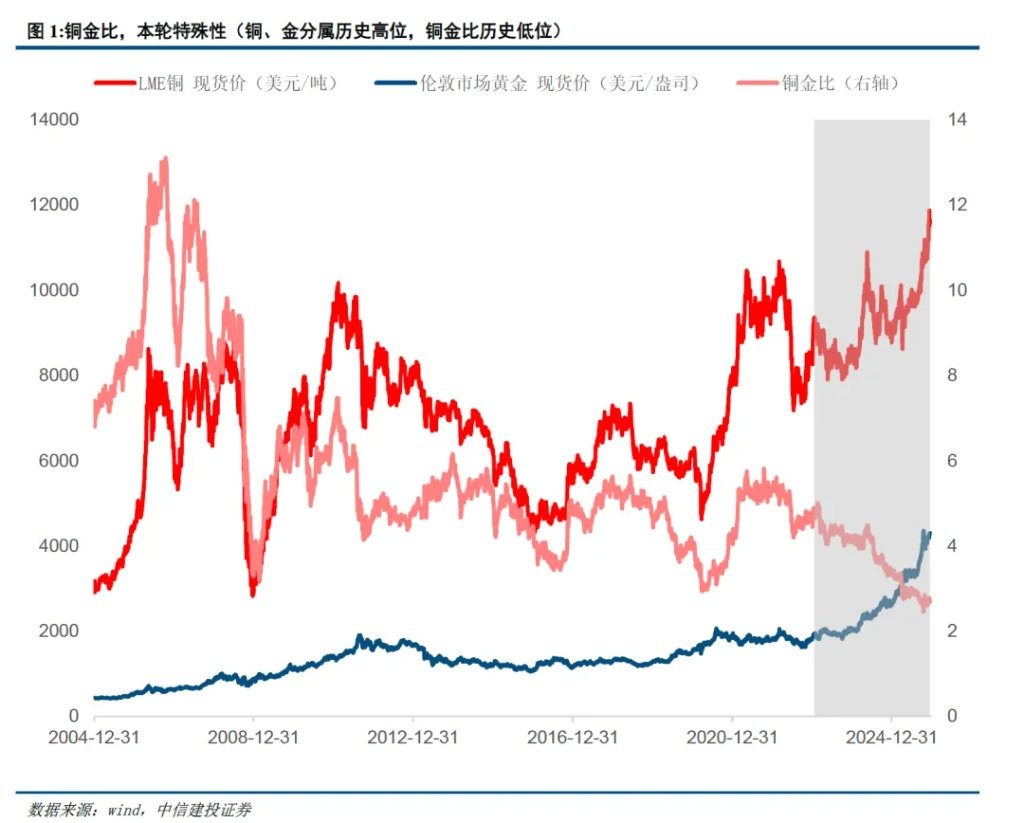
Reviewing market performance since 2001, it can be observed that this year's copper-gold performance exhibits two unusual characteristics.
In 2025, both gold and copper performed exceptionally well, reaching historic highs.
Unlike the simultaneous highs of copper and gold, this year the copper-gold ratio has fallen to a historical low since 2001.
The historically low copper-gold ratio may indicate that the "super surge" of gold in 2025 is the core contradiction.
Once we thoroughly understand why gold prices surged in 2025, we can then comprehend the next step for the extreme copper-gold ratio.
Three Stages of Super Surge in Gold Prices in 2025, Each Driving the Copper-Gold Ratio Down Two Steps
Since the beginning of 2025, the rise in gold prices has gone through three stages, with the copper-gold ratio simultaneously declining through three platforms.
The first stage of gold price increase (from the beginning of the year to March) saw tariff expectations trigger arbitrage trading, with both gold and copper rising simultaneously, and the copper-gold ratio remaining stable, forming the first platform. At this time, the pricing of copper and gold was jointly determined by the tariff price differences of U.S. and non-U.S. non-ferrous metals, corresponding to U.S. inventory replenishment. Although the price increase of copper and gold during this stage does not correspond to macro cyclical logic, it has subtly revealed the competitive intentions for key industrial chain security under the great power game.
The second stage of gold price increase (from April to July) saw global trade disorder and rising risk aversion, with gold performing exceptionally, initially surging and then consolidating, but prices had already shown a significant increase. The copper market faced pressure before recovering, but did not exceed previous highs. Under such copper-gold performance, the copper-gold ratio quickly fell to the second platform The third phase of rising gold prices (from August to now), driven by the dual factors of diminished Federal Reserve independence and recession expectations, has seen a more rapid increase in gold prices, while the copper-to-gold ratio continues to decline to a lower third platform, reaching the historical lowest level since 2001, forming an "extreme copper-to-gold ratio." This phase's copper-to-gold ratio is even lower than during the pandemic when liquidity was eased and global demand recovery expectations were weak.
The extreme performance of the copper-to-gold ratio in 2025, with macro waves brewing beneath
This year's "super surge" in gold prices and the sequential decline of the copper-to-gold ratio are backed by a very distinct macro-driven logic.
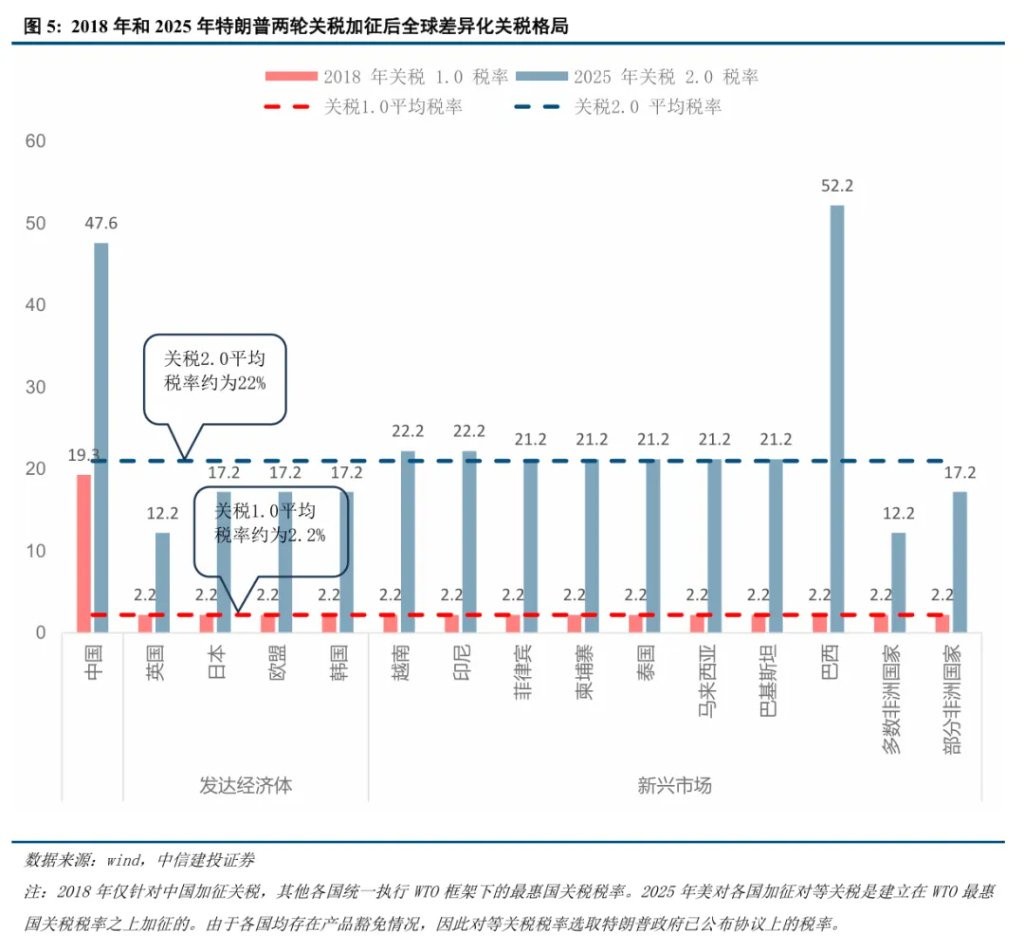
This year's epic tariff game has triggered global concerns about the complete disorder of rules, trade, and financial order.
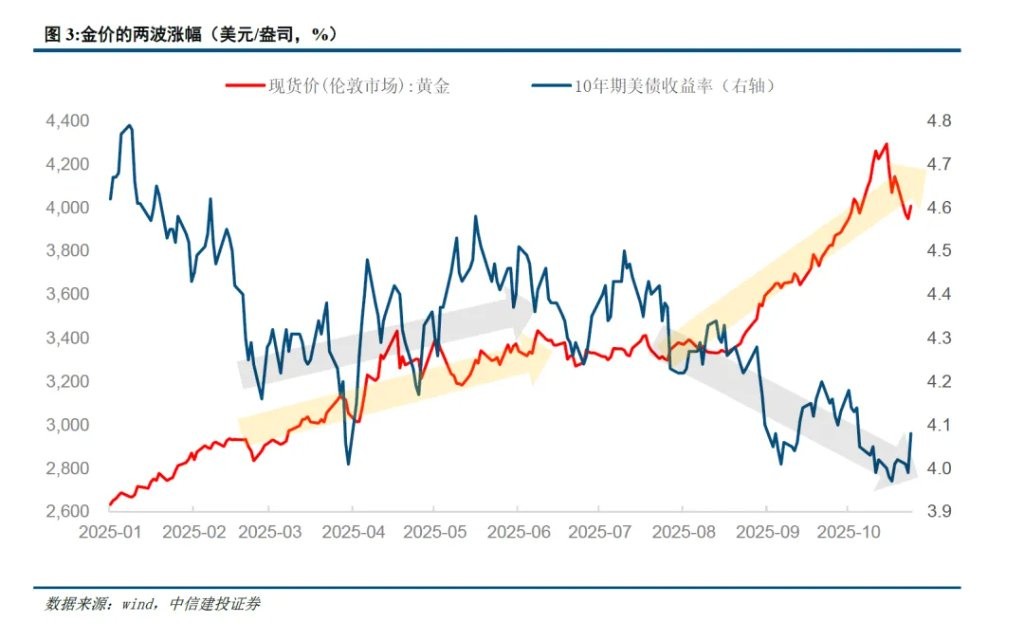
The tariff threats initiated by the United States in April severely impacted the multilateral trading system based on old rules, leading to rising market concerns about debt sustainability and the attractiveness of dollar assets. In terms of asset performance, both the gold price center and the long-end U.S. Treasury yield center have moved upward.
Under the impact of the trade war, China's manufacturing has been tested, while U.S. demand has weakened. In the dual structure of technology and finance, the Federal Reserve has had to sacrifice its independence and choose easing.
In the context of economic uncertainty and easing expectations, gold benefits from its financial attributes (negatively correlated with real interest rates) and safe-haven properties, being highly sensitive to interest rate signals.
The relatively lagging performance of copper still stems from the constraints of its commodity attributes. During the global demand downturn cycle, industrial production activities have slowed, leading to weak traditional physical demand for industrial metals like copper, with short-term pressure being more significant.
The macro logic driving gold in 2025 will inevitably drive copper in 2026
This year's macro waves have driven a surge in gold prices, and these macro waves will push copper prices up in 2026.
Regarding the reconstruction of new and old orders, the "collapse of the old order" in 2025 (gold price surge) will lead to copper pricing the construction of a new order in 2026 (copper price surge). The reshaping of the global economic and trade order triggered by the Tariff 2.0 era will accelerate the restructuring of supply chain systems, with copper as a core raw material for industrial manufacturing, its demand scenarios expanding in sync with the shift in the industrial chain.
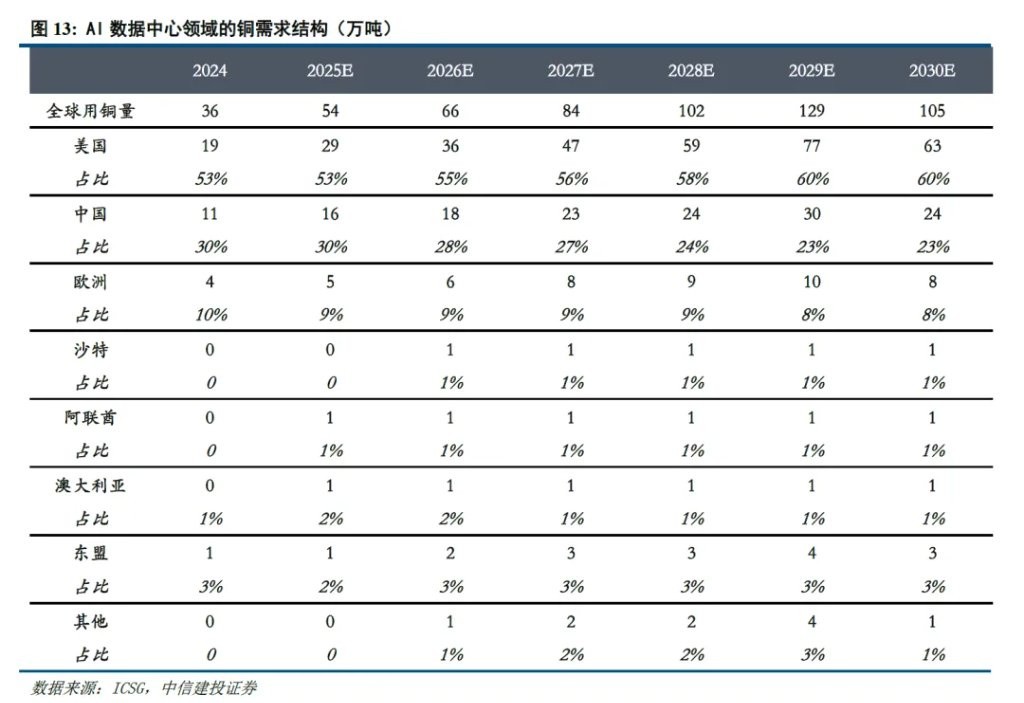
Regarding great power competition, the focus of great power competition in 2025 will be on tariff impacts (gold price surge), while in 2026, it will advance towards technology and security (copper price surge). In the context of great power competition, the new demand driven by the AI industry wave will continue to be released, with fields like AI data centers bringing growth in copper consumption.
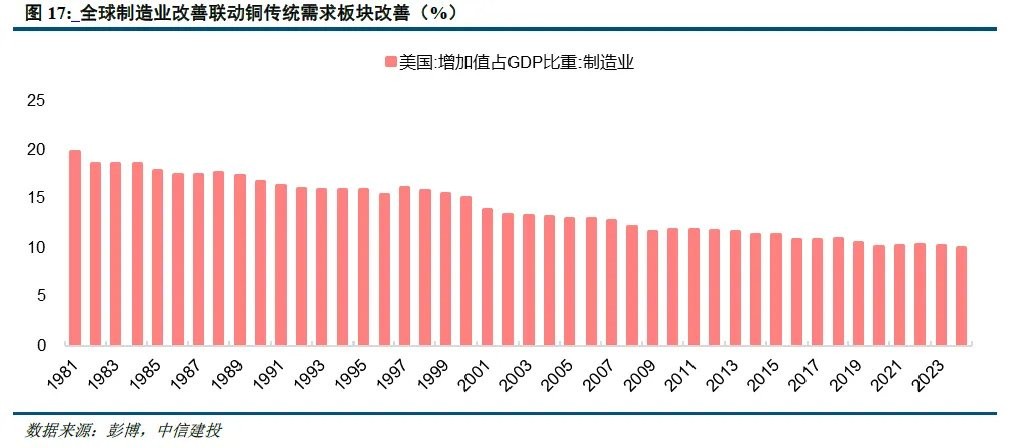
Regarding the "breathing space" of traditional credit sectors, in 2025, great powers will focus on tariff competition (gold price surge), while in 2026, they will return to stable domestic demand, both China and the U.S. (copper price surge). The gradual transmission of monetary easing policies to traditional industrial sectors will improve manufacturing sentiment, directly linking the recovery of the old demand sector for copper, solidifying the fundamental demand for copper.
From gold to copper in 2026, the copper-to-gold ratio will complete three "relay races"
The first relay race of copper and gold, transitioning from total quantity tariff games to security competition.
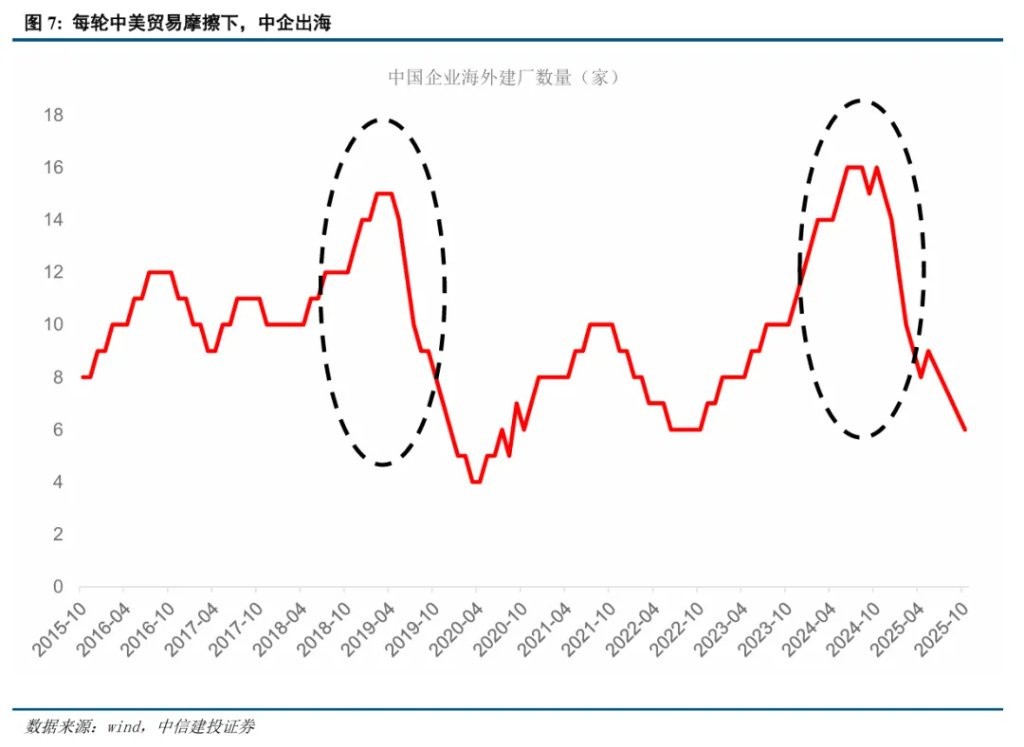
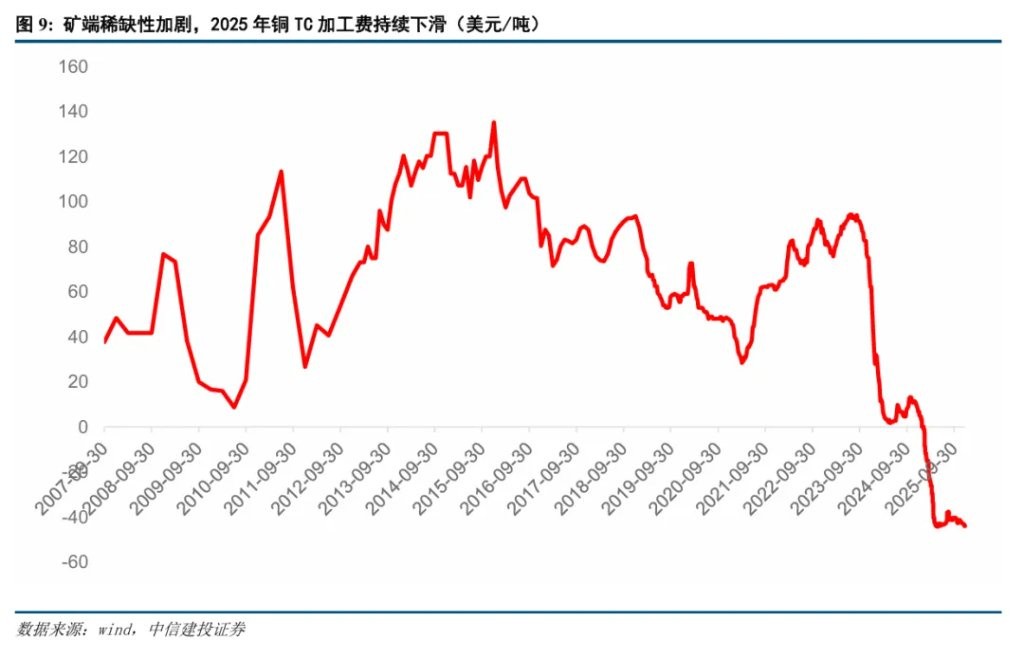
The transition from total quantity tariff games to security competition has two paths for gold prices to transmit to copper prices. One is the universal manufacturing relocation that generates new demand for refined copper; the other is the backup of key industrial chains (copper smelting capacity backup) that further amplifies the scarcity at the mining end.
The primary driving logic behind the restructuring of copper demand in this round is the change in the consumption structure of refined copper due to adjustments in industrial layout. Whether it is the overseas factory establishment behavior of downstream terminal manufacturing enterprises or the follow-up layout of supporting industrial chains, both directly generate new demand for copper.
After China joined the World Trade Organization, it gradually became a concentrated area for global copper smelting capacity, and currently, the global market has a high dependence on China's smelting capacity. To break free from this dependence, the United States is promoting its allies to build backup copper smelting capacity, further amplifying the scarcity of copper at the mining end on a global scale.
The second relay race of copper and gold, transitioning from global total quantity tariffs to technological competition.
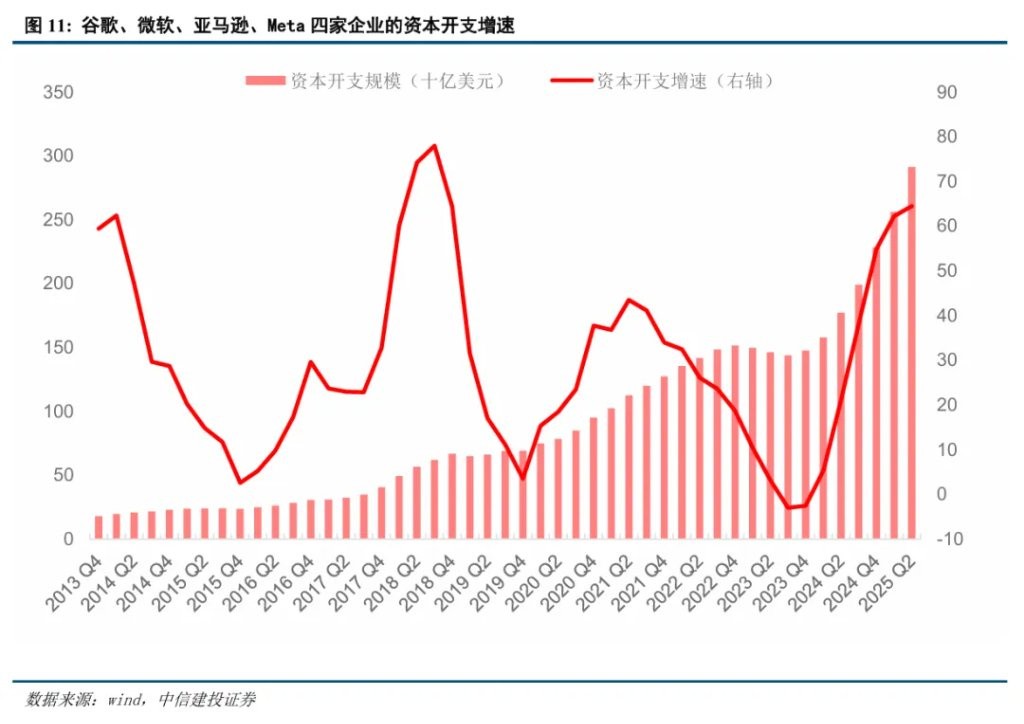
Against the backdrop of global order reconstruction, the focus of the China-U.S. game is shifting to the technology track, with capital expenditure in the technology sector becoming the core strategic investment direction for both countries by 2026.
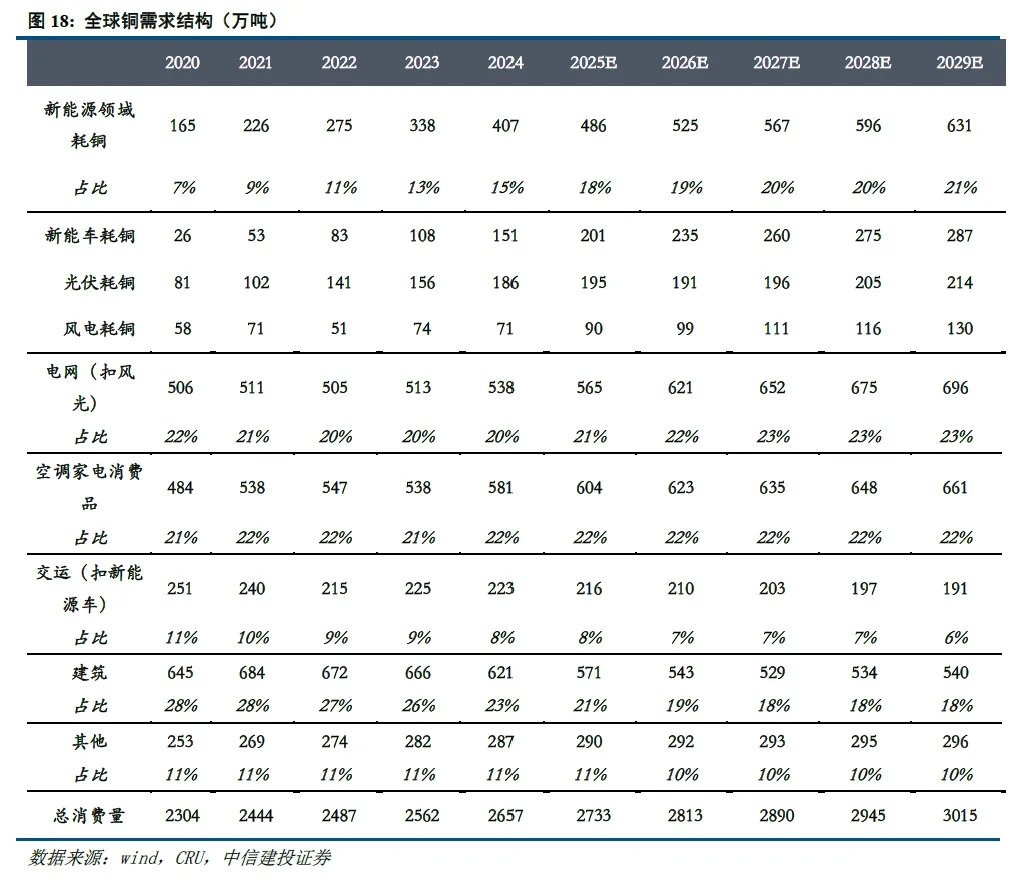
Looking ahead to 2026, we believe that capital expenditure in the technology sector will become a core investment focus for both China and the United States. The demand for infrastructure related to the AI industry chain is showing significant expansion, with copper as a key basic material being particularly prominent. By the end of 2030, the global data center market is expected to maintain an average annual compound growth rate of around 25%, and this high growth trend will provide continuous support for copper demand.
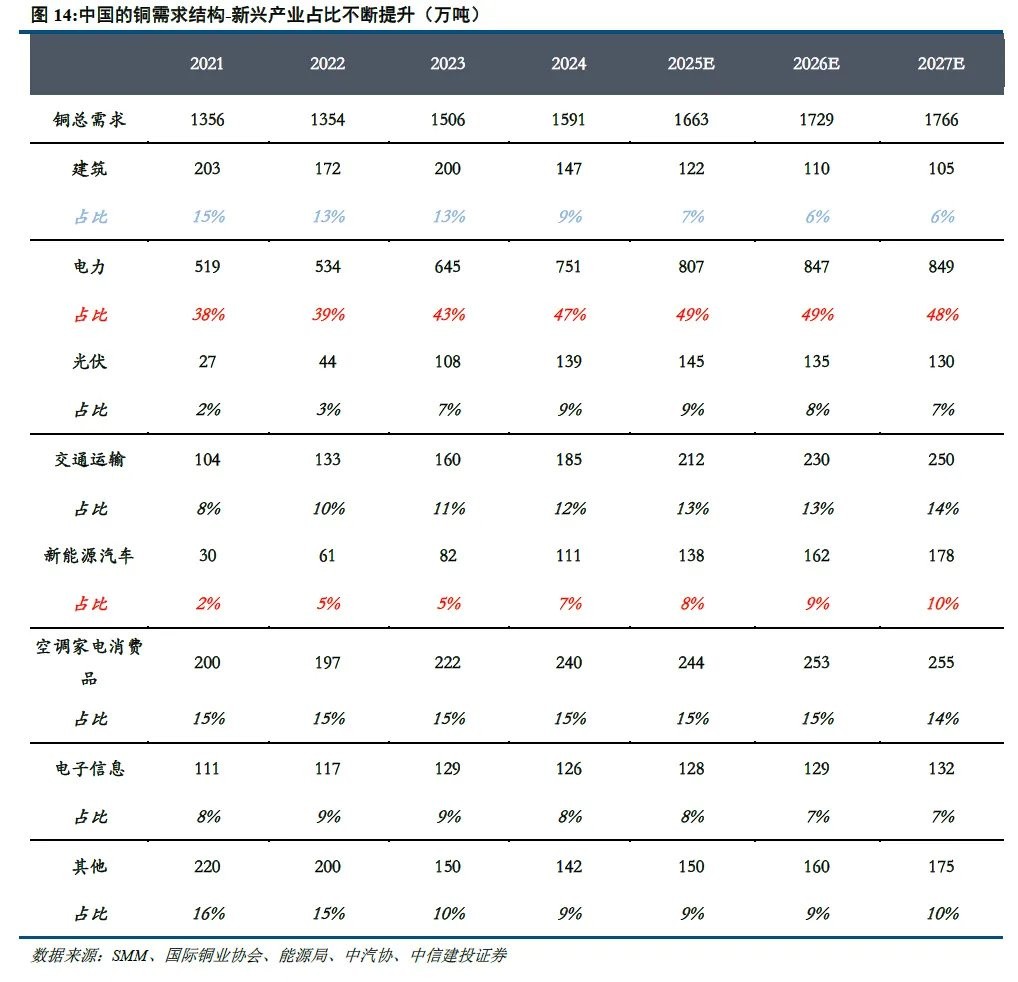
In addition to the AI industry chain, the booming development of the new energy industry also constitutes a core driving force for copper demand growth. It is expected that the copper demand share in China's new energy vehicles and photovoltaic fields will increase from 2% in 2021 to 10% in 2027.
The third relay race of copper and gold, transitioning from external games to a new internal and external equilibrium.
Considering the profound fractures in the current U.S. political and economic landscape, and with the U.S. midterm elections coinciding in 2026, it is expected that the Trump administration will shift to a more proactive supportive stance in monetary and fiscal policy orientation. The U.S. style of stable growth will initiate monetary easing in 2025, with credit sector recovery in 2026.
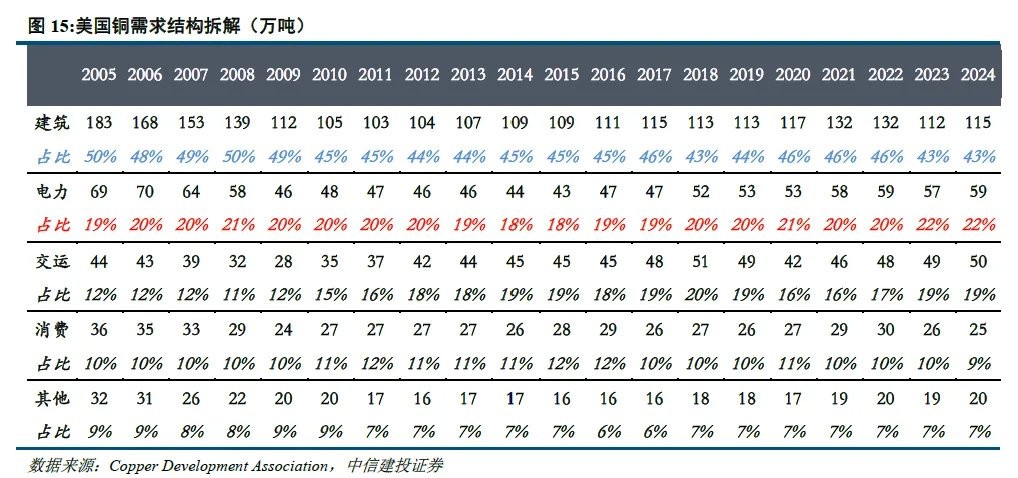
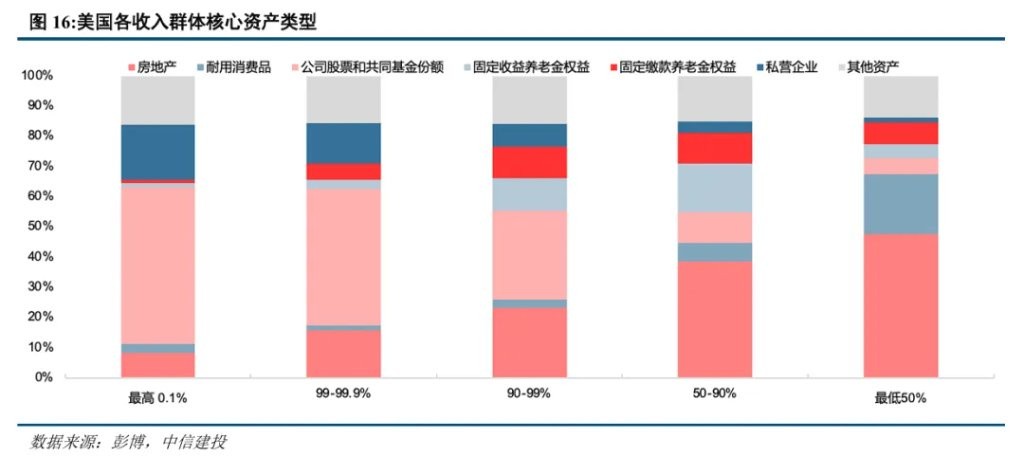
The continued decline in U.S. policy interest rates in 2026 is expected to release the suppressed demand for real estate, automobiles, durable goods, and traditional manufacturing that has been held back for many years, driving a new manufacturing expansion cycle in 2026, which is conducive to further stabilizing the basic demand in copper consumption.
Such characteristics of "old economy breathing" are also occurring in Europe, but Europe's approach involves a combination of declining energy prices and fiscal easing, leading to a recovery in the interest rate-sensitive credit sector.
Risk Warning and Disclaimer
The market has risks, and investment requires caution. This article does not constitute personal investment advice and does not take into account the specific investment goals, financial situation, or needs of individual users. Users should consider whether any opinions, views, or conclusions in this article are suitable for their specific circumstances. Investing based on this is at your own risk
