


Who will stop the crazy silver? Who brought down the Hunt brothers back then?
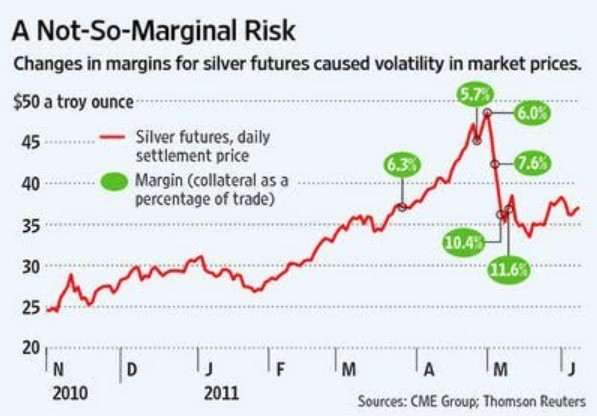
As silver prices surge frequently, CME has once again raised margin requirements. This move has awakened the market's memory of several historical "short squeeze" failures: before the silver price crash in 2011, CME raised margin requirements five times in just nine days; in 1980, the collapse of the Hunt brothers also began with the exchange limiting leverage. History has repeatedly proven that when exchanges start to intensively restrict leverage by raising margin requirements, it is often a precursor to a market reversal
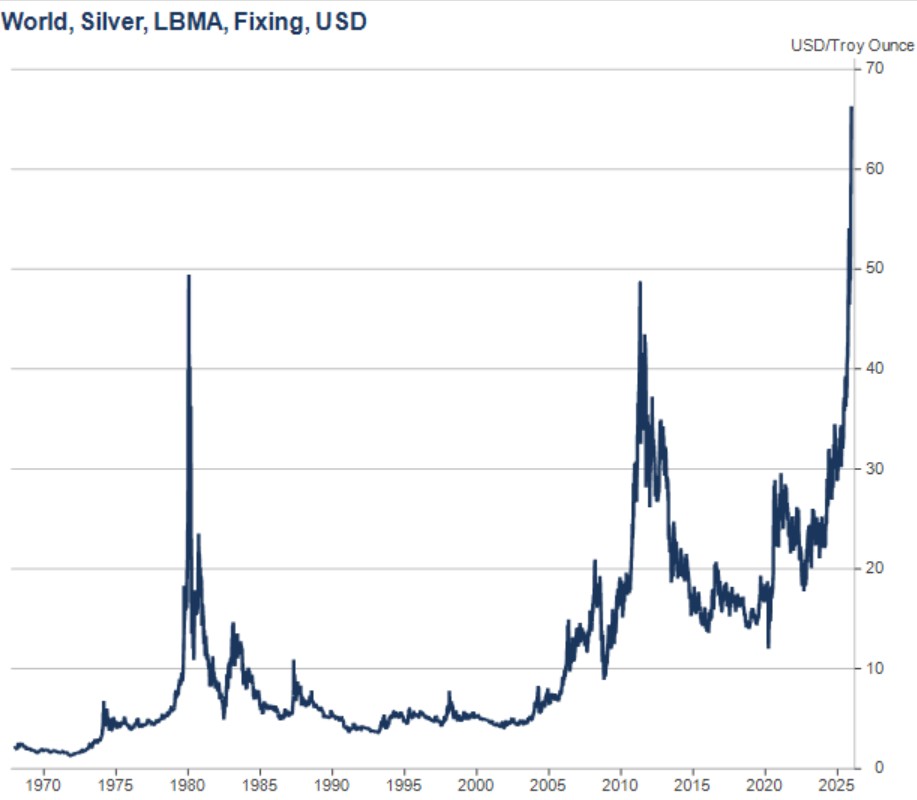
The silver market across the ocean is going crazy. On Friday, December 26, spot silver surged over 10%, approaching the $80/ounce mark, with COMEX silver futures seeing a weekly increase of nearly 18%.
This round of "metal frenzy" is not limited to silver; gold has surpassed $4,550, copper prices have followed Shanghai copper to set a historical high, and platinum and palladium have also recorded double-digit increases. The market is pricing in a new narrative of "commodity control" and using it as a hedge against the "AI bubble" and currency devaluation.
However, behind the frenzied market, historical warning bells have begun to ring. The Chicago Mercantile Exchange (CME) raised silver margins by 10% on December 12. The historical cases of the 2011 silver crash and the Hunt Brothers' failed squeeze in 1980 indicate that when exchanges start to limit leverage, it often means the party is nearing its end.
Meanwhile, actions have also been taken domestically. On December 26, Beijing time, the Shanghai Futures Exchange announced that it would adjust the price limit for gold and silver futures contracts to 15% and correspondingly raise the trading margin ratio. This is the third round of risk control measures for silver futures this month, following the margin increase on December 10 and the restrictions on the number of intraday positions and adjustments to transaction fees on December 22.
In this regard, analysts from CITIC Futures and Guosen Futures pointed out that although there are long-term bullish factors, the short-term rapid rise has clearly overtraded expectations. The "rush" of funds has led to heightened speculative sentiment, making the market feel like "walking a tightrope at high altitude."
The Lesson of 2011: Five Margin Increases in Nine Days Burst the Bubble
According to AdvisorPedia analyst Michael P. Lebowitz, the current silver trend is strikingly similar to the pre-burst bubble of 2011.
After the 2008 financial crisis, the Federal Reserve implemented zero interest rates and quantitative easing (QE), leading to negative real yields. Silver, as a high-beta currency hedge, soared from $8.50 to $50.00 within two years, an increase of 500%. However, this feast abruptly ended in 2011.
At that time, the Chicago Mercantile Exchange (CME) raised silver margin requirements five times in nine days. This move forced the futures market to massively deleverage, causing silver prices to plummet nearly 30% within weeks. Although physical demand did not disappear, the withdrawal of leveraged funds was enough to destroy prices. Subsequently, with the end of QE2 and the rise of real interest rates, silver entered a long bear market.
The Collapse of the Hunt Brothers: Rule Changes and Liquidity Drain
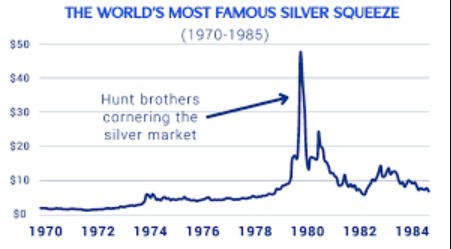
A more famous case occurred in 1980, namely the notorious Hunt Brothers short squeeze incident.
According to a review by AdvisorPedia, in the 1970s, the three brothers Nelson, Lamar, and William Hunt hoarded over 200 million ounces of silver, worth more than $4.5 billion, to hedge against inflation and the depreciation of the dollar. They used the leverage effect of the futures market to control huge positions at a very low cost, driving the price of silver from $1.50 in 1973 to nearly $50 in early 1980.
Ultimately, the runaway train was stopped by strong intervention from regulators. In January 1980, the CME issued "Silver Rule 7," which strictly limited margin purchases of silver futures and restricted the number of contracts held. This meant that traders had to put up nearly 100% cash to maintain their positions, effectively eliminating leverage.
At the same time, Federal Reserve Chairman Paul Volcker raised interest rates sharply to 20%, further increasing borrowing costs. Under the dual blows of margin calls and a broken funding chain, the Hunt brothers were forced to liquidate their positions, ultimately losing over $1 billion and filing for bankruptcy. The price of silver also plummeted from $50 to $10 by the end of March.
Fundamental Support and Overvaluation Risks Coexist
Returning to the present, the fundamental logic supporting this round of silver price increases still exists.
According to widespread market analysis, the current driving factors include:
Surge in Industrial Demand: The demand for silver continues to grow due to solar panels, electric vehicles, and AI data centers.
Supply Shortages: Silver has been in a supply deficit for several consecutive years, and since 70% of silver is a byproduct, production lacks elasticity.
Currency Hedge: Investors use precious metals to hedge against fiscal deficits and currency depreciation risks.
However, valuation indicators have issued warnings. The current "silver/oil ratio" is at a historical high, suggesting either an oil price rebound or a potential correction in silver. Although the "gold/silver ratio" indicates that silver is still cheap relative to gold, excessive leverage remains the biggest hidden danger.
Analyst Michael P. Lebowitz warns that regardless of how strong the fundamentals are, once the market becomes highly leveraged, the risks will significantly increase. The CME or regulators may at any time, like in the past, "pull away" the leverage ladder from speculators. For investors, the historical lesson is: Fool me once, shame on you; fool me twice, shame on me
