


Rushing before the end of the year, selling more as prices drop! The cryptocurrency market has become a "tax offset" asset for American investors
Against the backdrop of a significant rise in U.S. stocks and a pullback in Bitcoin this year, American investors are taking advantage of the year-end window to sell off crypto assets for "tax loss harvesting." Since spot cryptocurrencies are not subject to the "wash sale rule" that applies to U.S. stocks, investors can sell losing Bitcoin to offset their stock gains for tax purposes. This "sell more as it drops" strategy has surged at year-end, becoming a key tactic for investors to cope with market divergence and reduce their tax bills
The recent sharp correction in Bitcoin unexpectedly creates an excellent window for U.S. investors to utilize the "tax-loss harvesting" strategy to reduce their tax bills.
On December 26, Bloomberg reported that as Bitcoin's price has fallen 30% from its historical high, a strategy known as "tax-loss harvesting" is becoming more active in the digital asset space than in previous years. This strategy allows investors to sell losing assets and use those losses to offset capital gains, thereby reducing taxable income.
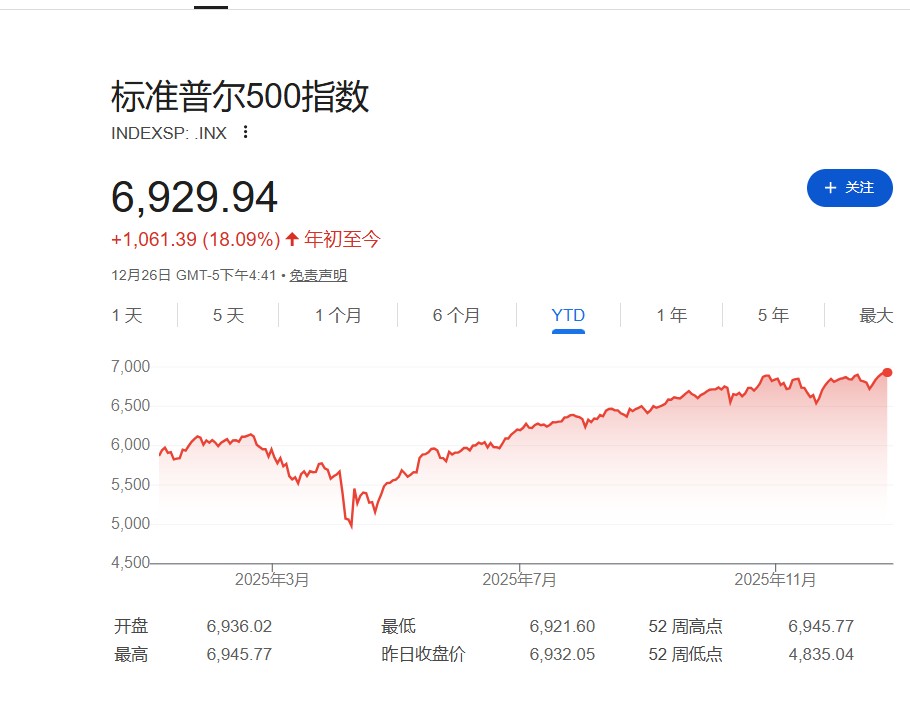
The main driver behind this phenomenon is the significant divergence in asset performance this year. While Bitcoin, the largest cryptocurrency by market capitalization, has dropped over 6% year-to-date, the benchmark S&P 500 index has risen about 18% during the same period. This divergence provides a clear incentive for investors holding both types of assets: to sell cryptocurrencies that are in a loss position before December 31 to offset the tax burden from stock gains.

Unlike stocks, under current rules from the Internal Revenue Service (IRS), spot cryptocurrencies are not subject to the wash-sale rule, which prohibits repurchasing within 30 days. Investors can sell losing assets and buy them back on the same day.
For stock investors, to claim a tax loss, they must adhere to the wash-sale rule, meaning they must wait 31 days after selling a losing stock before buying it back. If they repurchase early, the IRS will disallow the tax deduction.
Due to the flexibility of operations, this "harvesting losses and repurchasing" trading activity is concentrated in the last few days of the year.
It is worth noting that this lenient regulatory environment may not last forever. Starting in 2026, U.S. exchanges and brokers will be required to report the total gains from cryptocurrency sales to the IRS using a new 1099-DA form, and regulatory enforcement is expected to strengthen
