Cyclical tailwinds, inflation retreat, AI turbulence, volatility protection—these are Goldman Sachs' "Top 10 Core Theme Trades" for 2026

Wallstreetcn
2025.12.22 07:55
portai
I'm PortAI, I can summarize articles.

Goldman Sachs believes that the global market in 2026 will present a "Game of Thrones": on one hand, there is a favorable macro backdrop of steady growth, declining inflation, and interest rate cuts by the Federal Reserve; on the other hand, there are already "overheated" asset valuations—such as AI valuations significantly outpacing fundamentals. This tension suggests that volatility will increase. Goldman Sachs advises investors to pay attention to the valuation risks of the AI theme, the appreciation trend of the RMB, the weakening pressure on the USD, and to use tools such as interest rates, foreign exchange, and gold for hedging

Goldman Sachs believes that the global market in 2026 will usher in an overall favorable but increasingly complex environment. Investors will face cyclical tailwinds from robust growth and cooling inflation, but must also navigate high valuations and volatility under the theme of artificial intelligence (AI), while seeking protection against potential macro risks.

According to the Wind Trading Desk, the Goldman Sachs analyst team led by Kamakshya Trivedi pointed out in a report titled "2026 Market Outlook: Preference for Hot" released on Thursday that the global economy will exhibit a pattern of "robust growth, stagnant employment, and stable prices." The bank expects that robust global growth combined with the Federal Reserve's "non-recessionary" interest rate cuts will provide a friendly backdrop for global stock markets and emerging market assets.

However, the market has already led the macroeconomy in many respects. The stock and credit markets, especially in AI-related sectors, are showing "hot valuations," which creates tension with the macro cycle and may lead to increased volatility and widening credit spreads.

For investors, this means that while enjoying cyclical benefits, they need to prepare for a bumpier market. Goldman Sachs recommends that portfolios should manage potential tail risks through diversification and hedging strategies while taking on risk. The report specifically highlights key risks such as potential cracks in the U.S. labor market, latent fiscal concerns, and pullbacks in the AI theme.

1. Extended Cycle: Growth and Rate Cuts Favor the Stock Market

Goldman Sachs believes that the combination of robust global growth and the Federal Reserve's non-recessionary rate cuts should benefit global stock markets and emerging market assets.

Although the market has already priced in some of the positives, leading to high asset valuations, as long as the economy can withstand short-term weakness in the labor market, the constructive cyclical backdrop should ultimately outweigh concerns about valuations, providing sustained upside for the stock market. However, this tension may mean that volatility will increase.

2. Cyclical Tailwind: U.S. Growth May Exceed Expectations

Goldman Sachs is more optimistic about the U.S. economy than the market's general pricing. The bank forecasts that U.S. GDP will grow by 2.5% year-on-year in the fourth quarter of 2026, significantly higher than the current market-implied growth expectation of about 1.7%.

If Goldman Sachs' judgment is correct, the market will need to adjust its cyclical views, which will provide broad support for risk assets, especially benefiting assets related to improvements in U.S. demand and the Chinese export engine. The report also warns that the market is pricing in a low risk of recession, so it will be very sensitive to any cracks that appear in the U.S. labor market.

3. Inflation Retreat: Returning to Target Levels

The report predicts that 2026 will be the year marking the end of the global high inflation period that began in late 2021.

The fading impact of tariffs, productivity improvements brought by artificial intelligence (AI), and the ongoing supply of low-cost goods from Asia will serve as structural forces driving inflation down. The report forecasts that by the end of 2026, core inflation rates in the global market and most major developed and emerging markets will fall to the lowest levels since the first half of 2021 This benign inflation outlook will provide a friendly environment for risk assets and may offset the upward pressure on U.S. interest rates and the dollar caused by strong economic growth.

4. Central Bank Divergence: Global Easing Steps Vary, UK and US Still Have Room for Rate Cuts

Although falling inflation has led global central banks to lean towards easing, the rate cut paths for 2026 will show significant divergence. Goldman Sachs expects that the Federal Reserve, the Bank of England, and the Norges Bank will have more room for rate cuts, with their projected rate paths significantly lower than market forward pricing. Many high-interest emerging market economies are also expected to significantly lower policy rates.

However, compared to 2025, it is anticipated that more central banks will choose to stand pat. Japan is a major exception, with Goldman Sachs expecting it to continue gradual rate hikes.

5. AI Frenzy: Market Leads Macro, Volatility and Divergence Will Intensify

The AI boom will remain the market focus in 2026. The good news is that the productivity benefits of AI may just be beginning to materialize, and the related capital expenditure boom is expected to continue. The bad news is that market valuations have significantly outpaced macro fundamentals.

Goldman Sachs points out that although overall corporate balance sheets remain strong, the construction of data centers increasingly relies on debt financing, which could make the credit market more vulnerable. Goldman Sachs believes that even if the stock market continues to rise, it may be accompanied by increased stock volatility and widening credit spreads, reminiscent of the period just before the tech bubble burst in 1998-2000.

6. Renminbi Continues Appreciation Trend

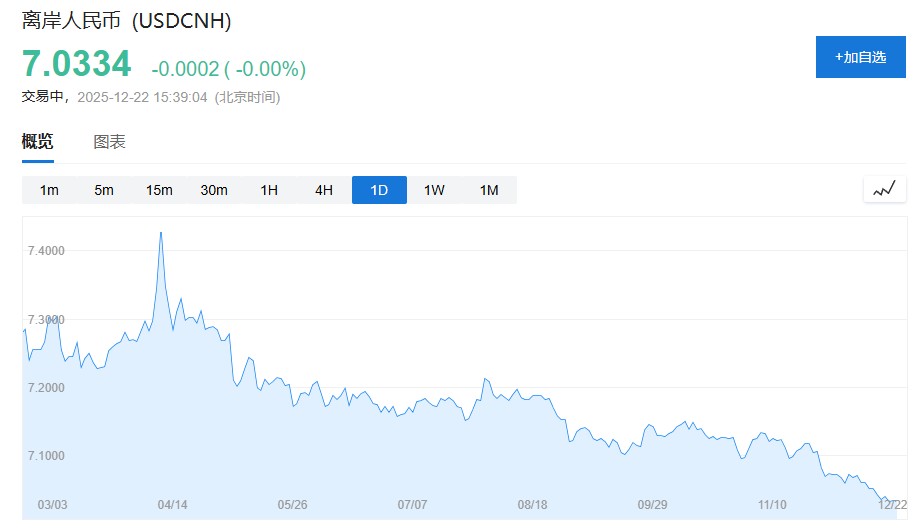
According to data from the General Administration of Customs, China's annual goods trade surplus exceeded $1 trillion for the first time in November (2025). Goldman Sachs notes that the degree of undervaluation of the renminbi is comparable to that in the mid-2000s, and it is expected to continue its gradual appreciation trend. As of now, the offshore renminbi is at 7.033, the highest level in over a year.

7. Fiscal Concerns: Temporarily Dormant, But Not Disappeared

Due to moderate inflation, market concerns about fiscal risks have temporarily eased. However, the fiscal situation in major developed economies remains tight. Goldman Sachs warns that these concerns are merely "dormant rather than disappeared." If new large-scale fiscal expansion plans emerge, such as the potential "tariff rebate" checks in the U.S., it could likely trigger another "panic episode" in the bond market.

8. Currency Market and Cycle: Dollar Weakens Gradually

Goldman Sachs expects the foreign exchange market in 2026 to exhibit more "pro-cyclical" characteristics. Against the backdrop of better-than-expected growth in the U.S., China, and most emerging markets, high-beta G10 currencies (such as the Australian dollar AUD and New Zealand dollar NZD) and some cyclical emerging market currencies (such as the South African rand ZAR, Brazilian real BRL, and South Korean won KRW) will be the main beneficiaries.

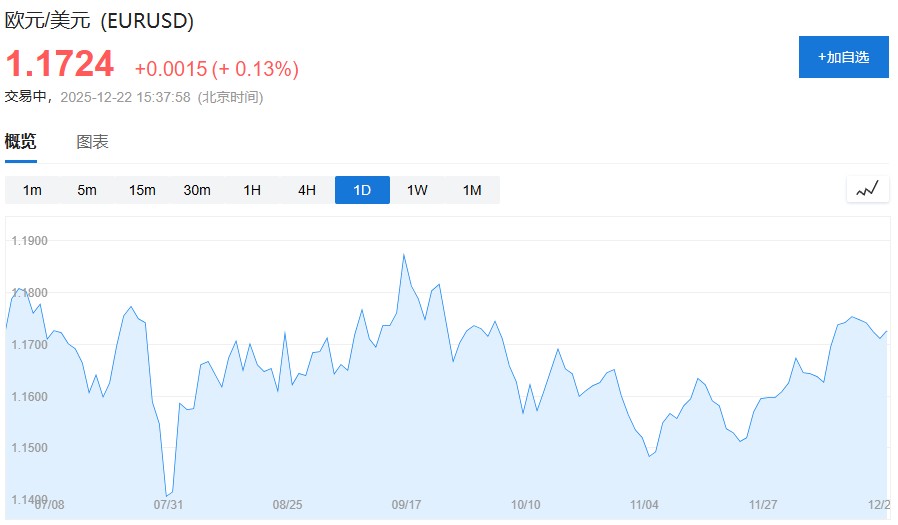
In this context, the dollar may continue to depreciate, but the pace will be "shallow and gradual." The report suggests that the euro is increasingly approaching its fair value of around 1.22 against the dollar, with limited room for further significant appreciation For investors, the option prices for the downside risk of the US dollar are cheap and can serve as a tool to hedge against systemic risks in the United States, while gold also has structural reasons for long-term holding due to continuous allocation by central banks.

9. Emerging Markets: From "Excellent" to "Good"

2025 is expected to be one of the strongest years for emerging market assets in the past decade, with emerging market stocks achieving an approximate 30% increase. Therefore, entering 2026, their valuation attractiveness is not as strong as before. Goldman Sachs believes that under the macro backdrop of steady growth, Federal Reserve interest rate cuts, and a weak dollar, emerging markets will still achieve "good" rather than "great" returns.

In terms of investment strategy, Goldman Sachs recommends a risk rotation, shifting some positions from technology-sensitive markets (such as South Korea) to markets that are more focused on domestic demand, such as South Africa, India, and Brazil, to achieve better balance.

10. Post-Cycle Risks and Hedging

The report emphasizes risk management in the post-cycle phase. The key downside risk is the deterioration of the US labor market leading to recession fears; while the upside risk is economic overheating challenging market expectations for interest rate cuts. Additionally, the reversal of the AI theme is the biggest micro risk facing the US stock market.

Goldman Sachs suggests that, in addition to diversified investments, investors can seek protection through interest rates, foreign exchange, gold, and stock volatility products