DingTalk's "D Plan" roadmap emerges

The "hard" breakthrough of the B-end ecosystem?

With the approach of DingTalk AI 1.1's new breakthrough, a project codenamed "Project D" has once again stirred the tech circle.
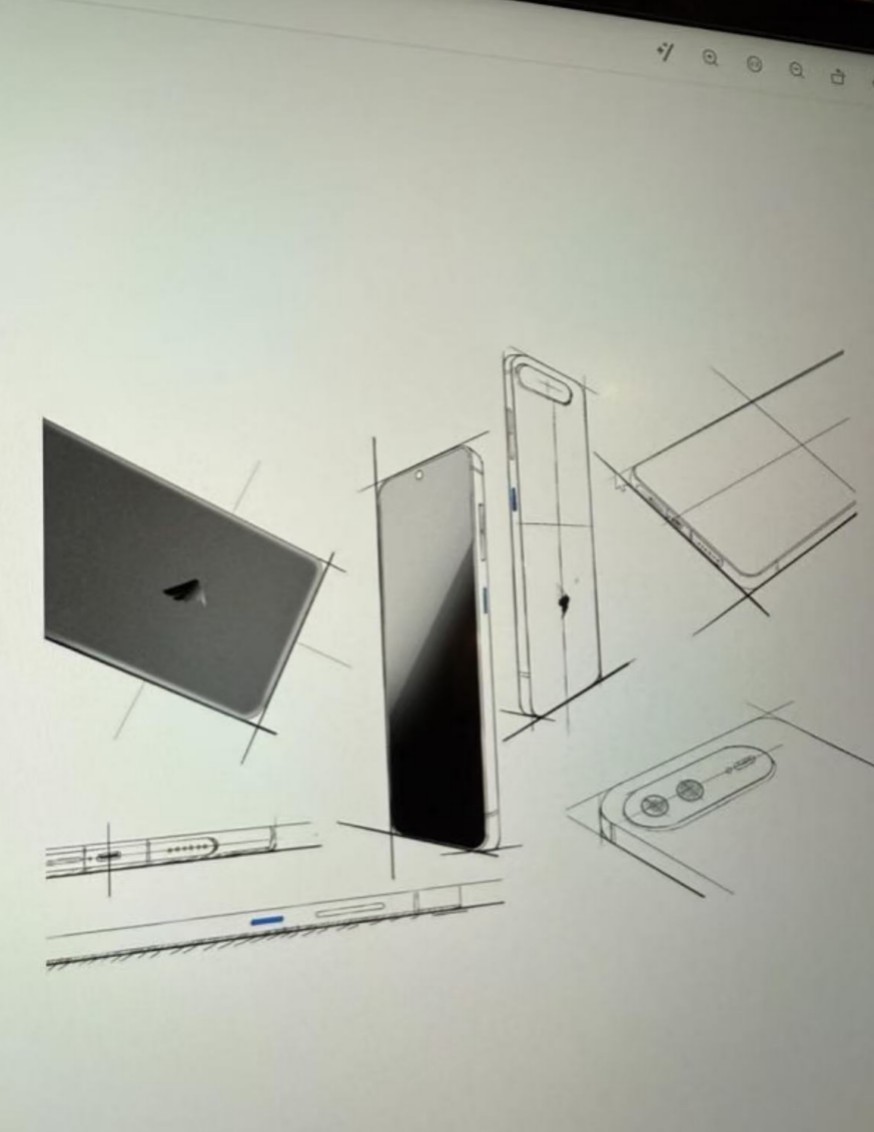
Recently, Wall Street Insight learned from inside DingTalk that a secret project codenamed "Project D" has begun to take shape, and it has been interpreted by the outside world as possibly involving the hardware field, launching the rumored "Doubao Phone."
It is understood that the name "Project D" has recently circulated among DingTalk insiders and related supply chain personnel. In August of this year, at the end of the DingTalk AI 1.0 product launch conference, founder Wu Zhao (Chen Hang) briefly displayed the words "DingTalk Real" on the screen at the end of his speech, but did not provide any explanation at the time, leading to much speculation from the outside world.
Some analysts believe this is likely closely related to the DingTalk AI 1.1 version launch conference scheduled for December 23.
Regarding the rumors of the "Doubao Phone" and the specifics of "Project D" that have sparked public discussion, DingTalk's official response stated: "We have heard of the 'Doubao Phone,' but we have not heard of 'Project D.' The company indeed has very high confidentiality requirements for certain innovative projects."
This attitude of neither directly confirming nor completely denying has further piqued the market's appetite. What is referred to as a "phone"—is it a traditional smartphone or a new type of interactive terminal based on AI Agent?
Industry observers point out that the exposure of the codename "Project D" is seen as a key step for DingTalk in transitioning from a software ecosystem to integrated software and hardware, exploring the next generation of enterprise-level AI hardware. The codename "D" may originate from "DingTalk" itself, and it cannot be ruled out that it contains strategic intentions to benchmark or enter specific markets.
If "Project D" indeed materializes into a "hardcore" product as speculated, it would signify a change in Alibaba's approach in the B-end market—from providing connectivity tools to offering integrated "software and hardware" intelligent productivity solutions.
As competition in the collaborative office market becomes increasingly fierce and the integration of AI and hardware grows tighter, whether DingTalk will showcase hardcore results that go beyond the software realm will also become an important barometer for observing Alibaba's innovative direction in integrating B-end and C-end. This move by DingTalk will serve as a benchmark for whether the Chinese enterprise SaaS market can break through the ceiling in the AI era